Why Move to Digital Textile Printing?
The textile industry is in transition — traditional printing methods are giving way to more responsive, efficient and sustainable processes. For manufacturers seeking to stay competitive, embracing digital textile printing is no longer optional.
Here are five powerful reasons why the shift is essential.
1. Agility & Shorter Lead Times
Digital printing removes the need for long setups, screens and plates — enabling faster changeovers and quicker sampling.
- Smaller print runs become economically feasible.
- Manufacturers can respond faster to market trends.
- Shorter lead times reduce inventory risk and support continuous design iteration.
In a world where fashion cycles are shrinking, agility becomes a competitive advantage.
2. Cost Efficiency & Waste Reduction
Digital textile printing significantly reduces resource consumption compared to conventional methods.
- Less water, less energy and lower chemical usage.
- Reduced waste due to on-demand production.
- Lower chances of over-production or stock clearance losses.
With increasing cost pressures on textile mills, digital printing helps maintain healthier margins.
3. Better Supply-Chain Control
Digital workflows simplify production and reduce dependency on multiple vendors or lengthy processes.
- Faster coordination between design, sampling and production.
- Fewer operational bottlenecks.
- Better predictability in timelines compared to traditional screen and roller printing.
This streamlined production chain supports consistency and reduces disruption in volatile markets.
4. Quality, Versatility & Innovation
Digital textile printing enables manufacturers to explore new design possibilities without limitations.
- High-resolution prints with enhanced detailing.
- Easy switching between fabric types.
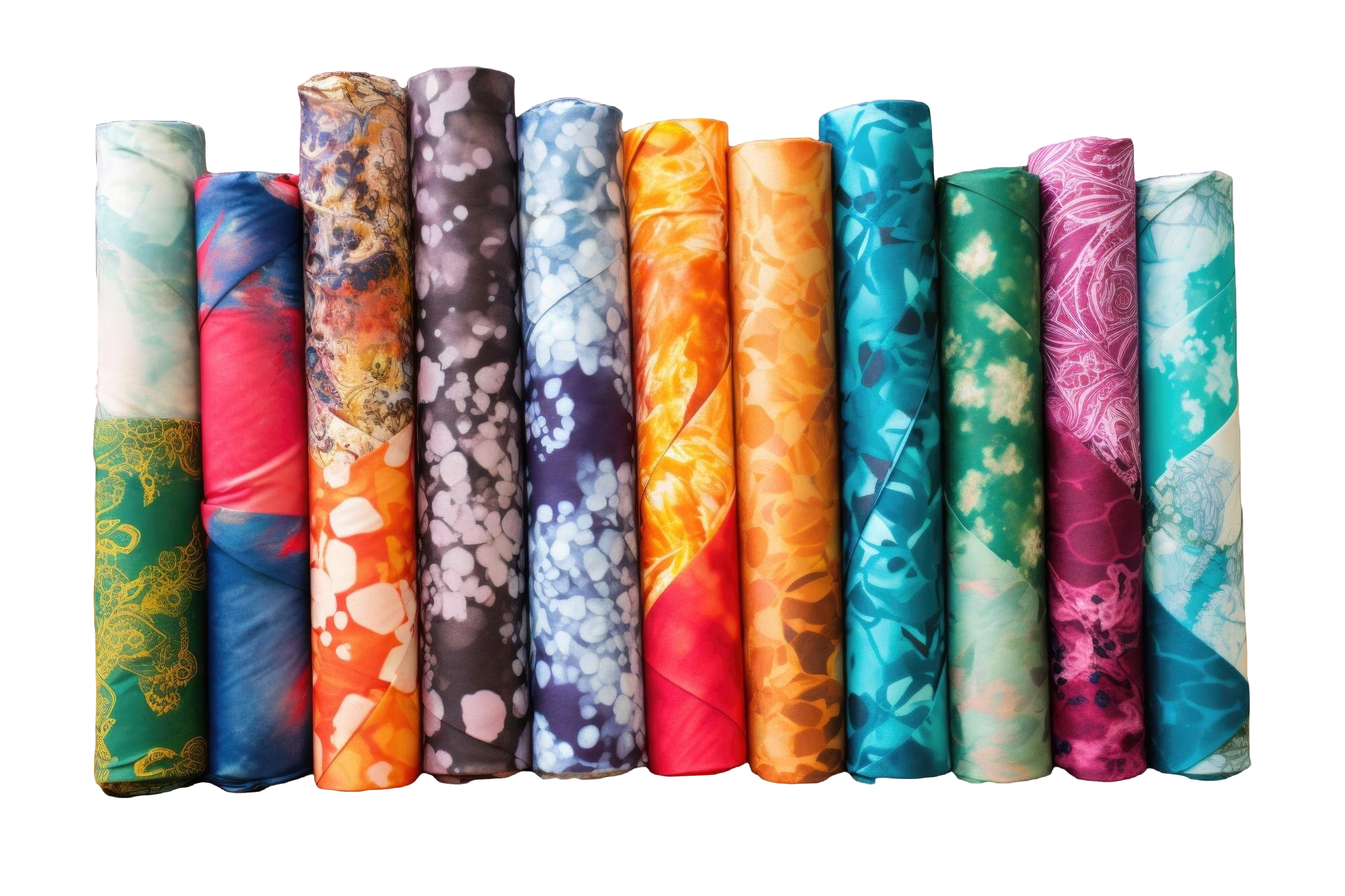
- Ability to print complex patterns, gradients and photographic visuals with precision.
From fashion apparel to home décor and customised products, digital printing opens doors for greater creativity.
5. Sustainability & Market Differentiation
Sustainability is becoming a decisive factor in global textile sourcing.
- Digital printing consumes far fewer natural resources.
- On-demand printing reduces excess inventory and over-production.
- Brands can showcase measurable environmental benefits in their supply chain.
For exporters, this becomes a value-adding differentiator.
Conclusion
For textile manufacturers planning the next decade, the shift to digital textile printing is more than a technological upgrade — it’s a strategic evolution. It delivers agility, cost savings, quality, sustainability and sharper supply-chain control.
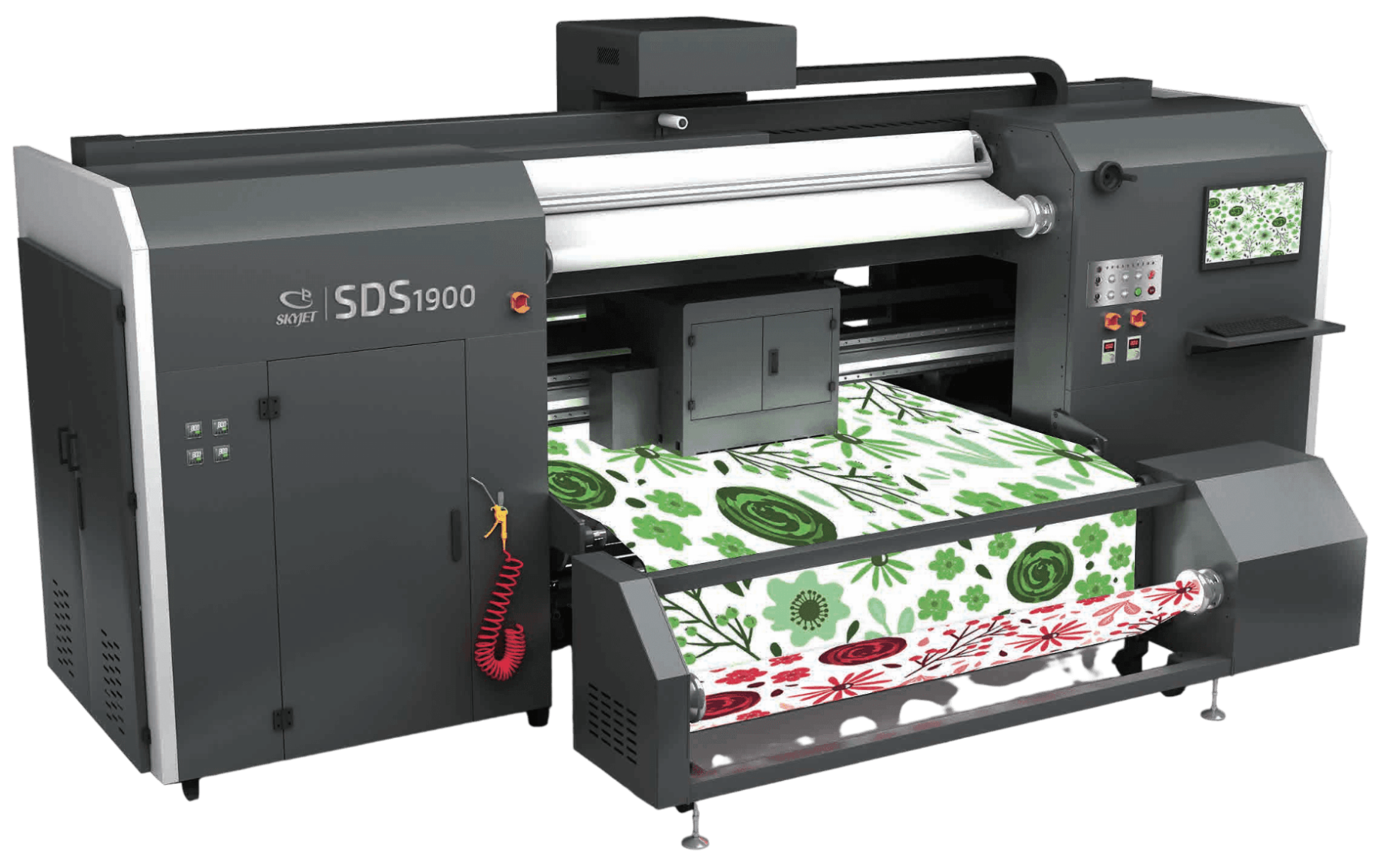
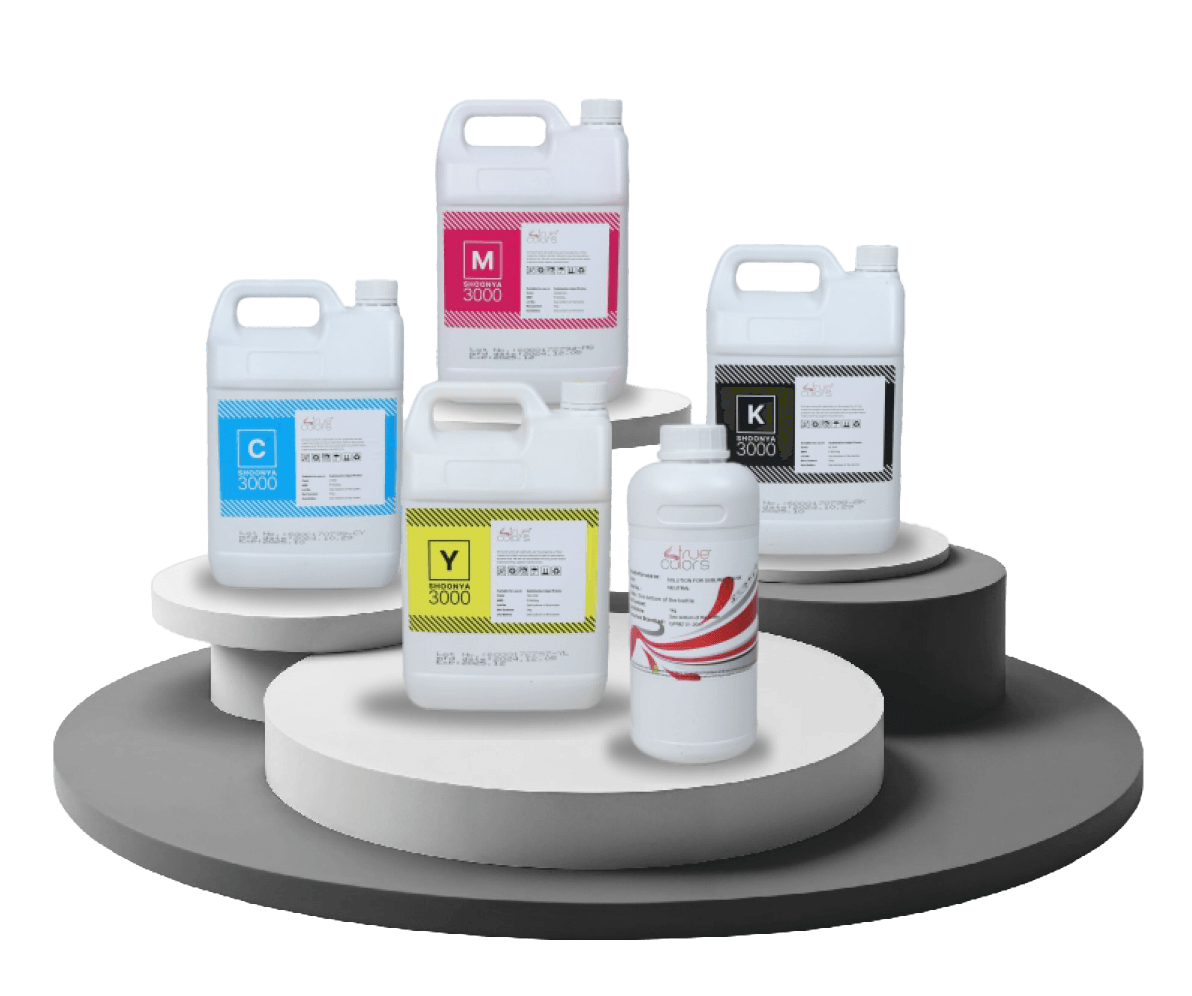
At True Colors, these principles come together in an integrated ecosystem of advanced machines, inks, papers and job-work services — offering a future-ready path for manufacturers aiming to stay ahead.
If you’re still relying on conventional methods, the message is clear:
Move to digital printing now — before the opportunity to lead the market passes.