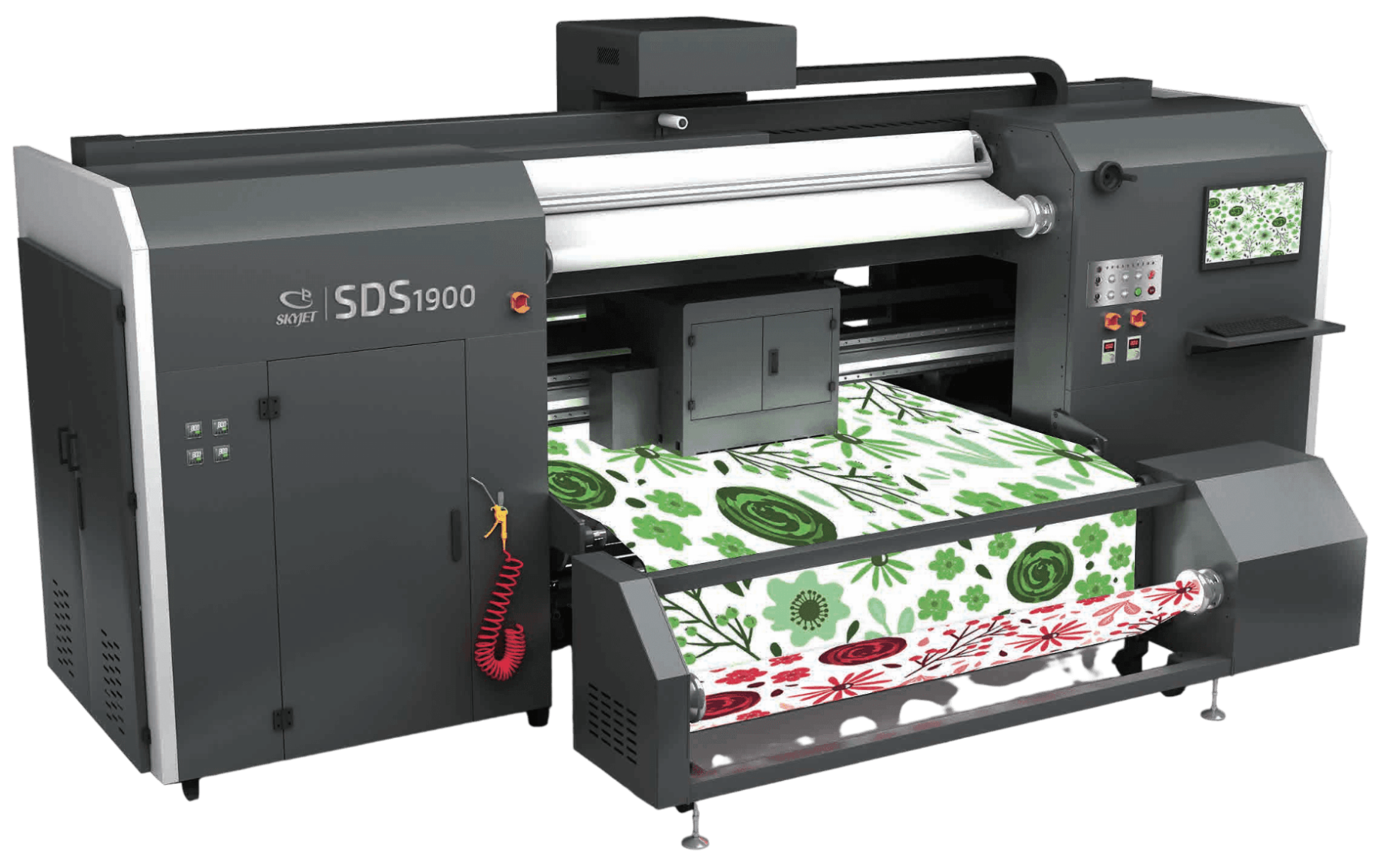
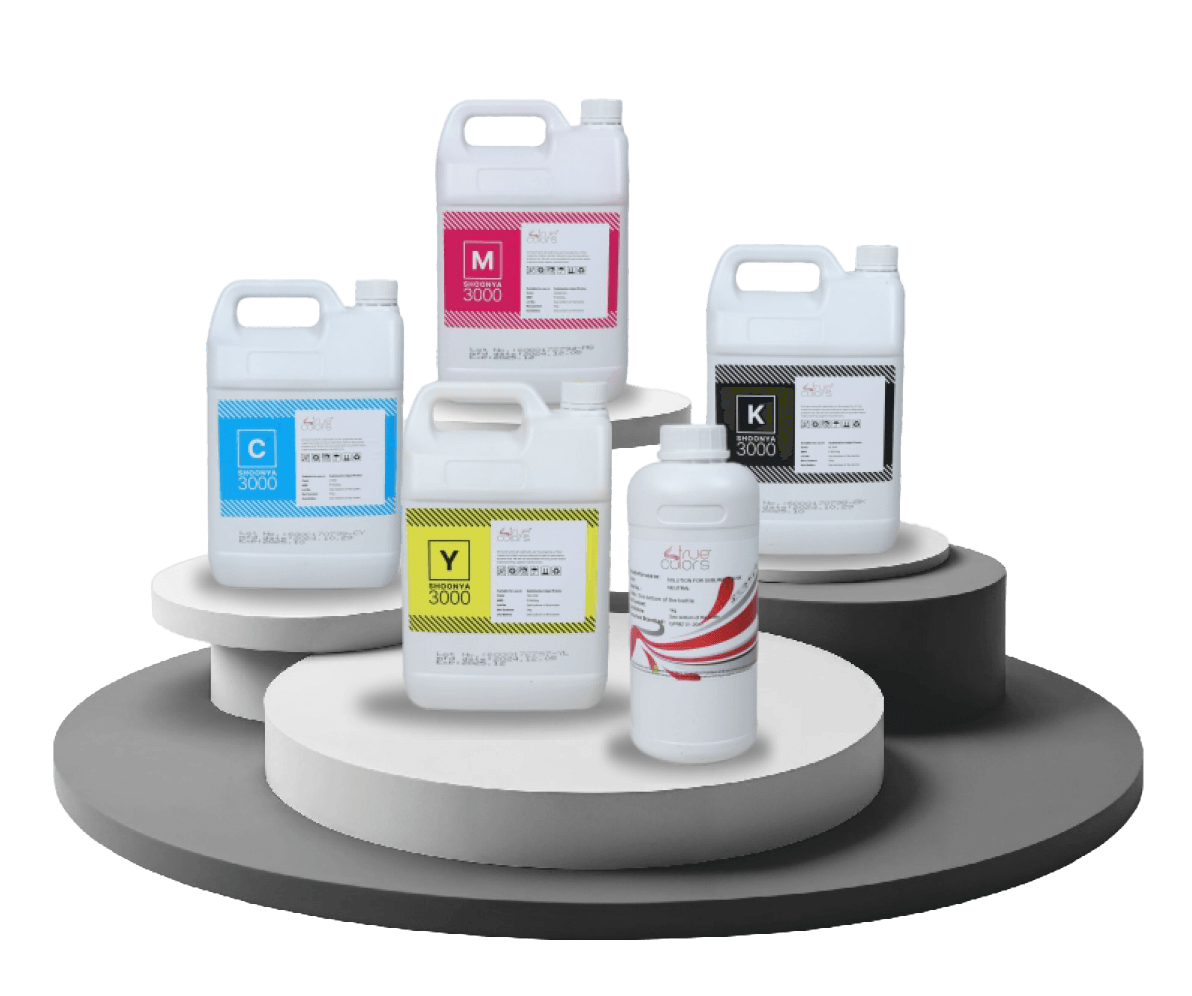
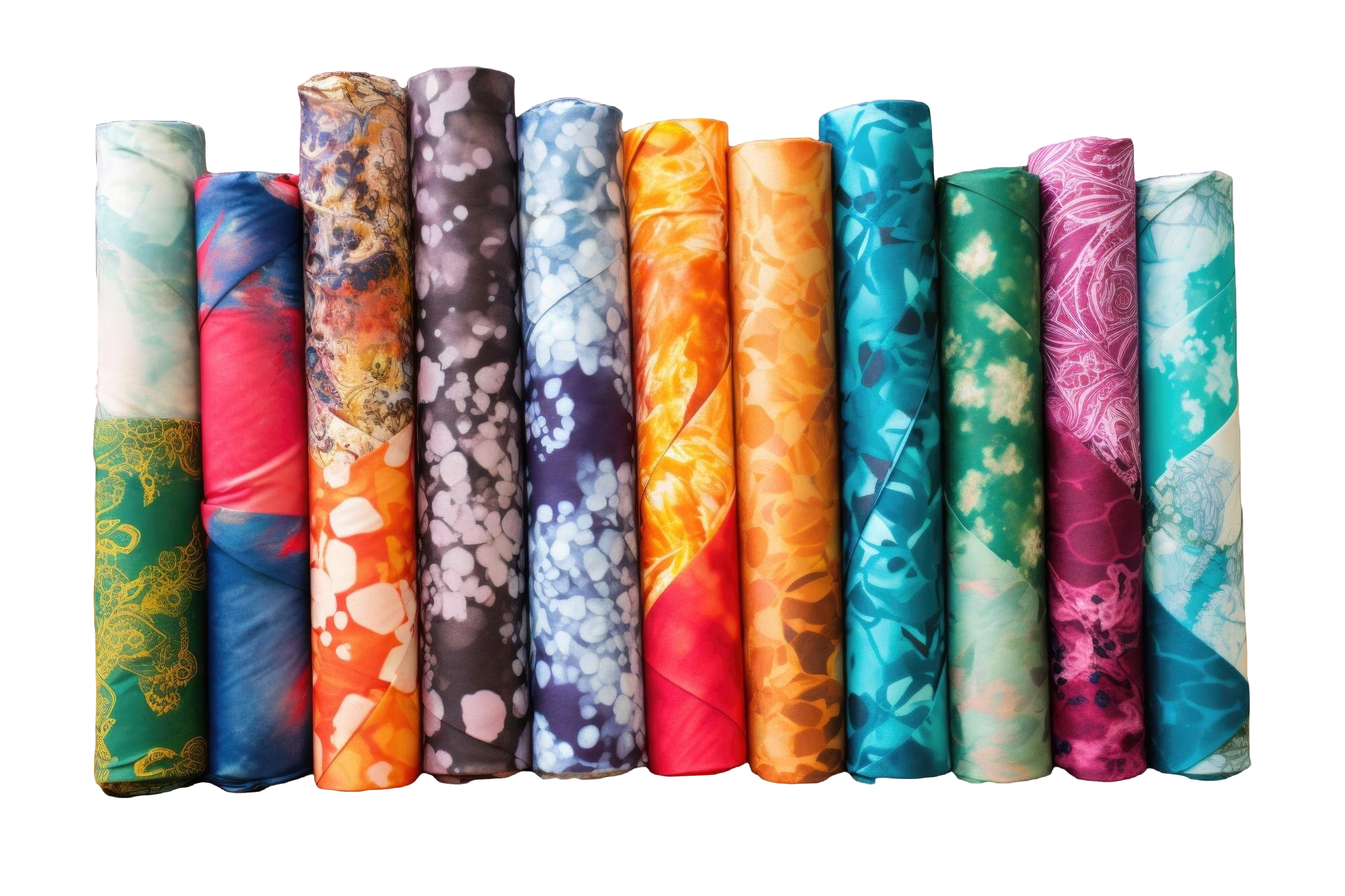
In digital textile printing, production efficiency does not begin on the factory floor — it begins inside the lab.
Behind every stable production run, vibrant colour output, and uninterrupted printing cycle lies one critical process: digital textile ink testing. For textile manufacturers using advanced digital printing systems, proper ink validation directly influences machine stability, print quality, and operational uptime.
Why Ink Testing Matters in Digital Textile Printing
Digital textile printing machines operate at high speed with extreme precision. Any variation in ink formulation can affect:
- Printhead performance
- Colour consistency
- Fabric penetration
- Drying behaviour
- Long-run stability
Without proper lab testing, even minor inconsistencies can lead to nozzle blockages, banding, colour shifts, or production downtime.
That’s why structured digital textile ink testing is a key factor in maintaining production efficiency.
What Happens Inside a Digital Printing Ink Lab?
An ink lab typically evaluates multiple parameters before approving ink for industrial use:
Viscosity Stability
Ink must maintain consistent viscosity under varying production temperatures to ensure smooth jetting from high-speed printheads.
Surface Tension Control
Proper surface tension ensures accurate droplet formation, preventing misting or overspray during high-speed runs.
Color Accuracy & Reproducibility
Test prints are analysed to confirm repeatable shade matching across long production batches — critical for export-quality textiles.
Printhead Compatibility
Ink must be compatible with industrial printheads to avoid clogging or irregular firing patterns.
Each of these checks directly impacts production uptime and output quality.
How Ink Testing Improves Production Efficiency
When ink is properly validated before entering production, manufacturers experience:
- Fewer machine stoppages
- Reduced printhead cleaning cycles
- Consistent colour output across batches
- Lower rejection rates
Efficient digital textile ink testing ensures that printing machines operate at optimal speed without unexpected disruptions.
Impact on Long-Run Industrial Production
In high-volume textile units, even small inefficiencies multiply over thousands of meters of fabric.
Poorly tested ink can cause:
- Increased maintenance frequency
- Fabric wastage
- Reprocessing costs
- Delivery delays
On the other hand, validated ink systems support:
- Stable multi-shift operations
- Predictable production timelines
- Controlled operational costs
Efficiency, in digital textile printing, is not just about machine speed — it is about system reliability.
Supporting Modern Digital Printing Infrastructure
As digital textile printing continues to scale in India, the importance of controlled processes becomes even more critical. Production success depends not only on advanced printing machines but also on the quality and testing standards of the ink used.
Proper lab validation ensures that industrial textile printers can maintain:
- High-speed performance
- Color fidelity
- Long-term machine health
Conclusion
Inside every successful textile production line lies a foundation built in the lab.
Digital textile ink testing plays a decisive role in safeguarding machine efficiency, production stability, and output consistency. For textile manufacturers focused on long-term scalability and export-grade performance, ink testing is not a background process — it is a production strategy. Visit Our website TrueColors