In export-driven textile manufacturing, quality is not negotiable — and color is at the centre of that quality.
For global buyers, even slight shade variations can lead to rejections, delayed shipments, or loss of long-term contracts. This is why color accuracy in textile printing plays a decisive role in achieving export-grade production standards.
In digital textile environments, consistency across meters of fabric is not just a technical parameter — it is a business requirement.
Why Color Accuracy Matters in Export Markets
International buyers demand:
- Exact shade matching
- Batch-to-batch consistency
- Repeatable production results
- Alignment with approved lab dips
Even minor deviation from approved colors can cause:
- Order rejection
- Fabric reprocessing
- Increased wastage
- Delivery delays
Maintaining strong color accuracy in textile printing ensures that production aligns precisely with buyer specifications.
Digital Printing & Precision Control
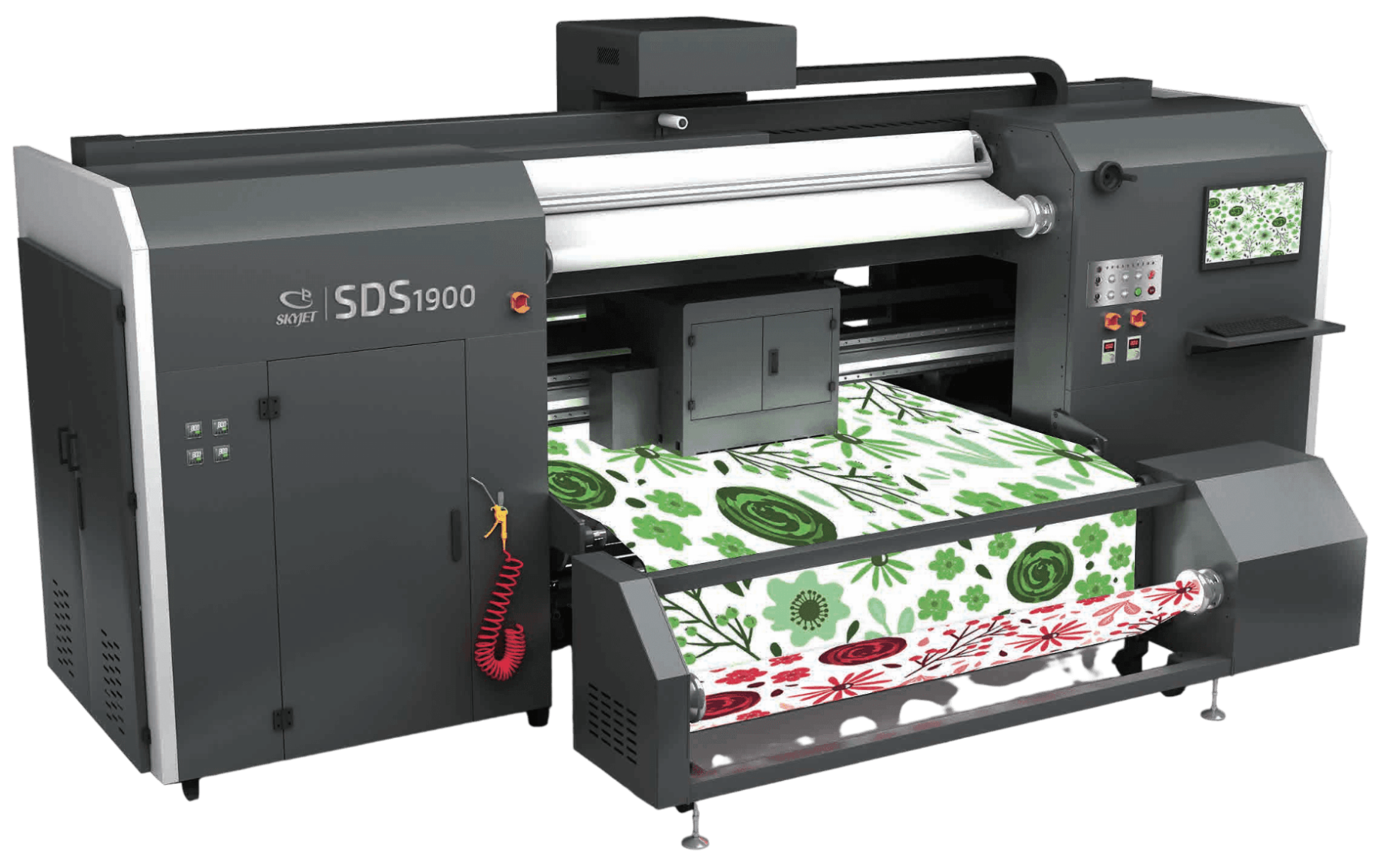
Modern digital textile printing systems offer greater control over color management compared to traditional methods.
Viscosity Stability
Advanced machines support:
- Controlled ink deposition
- Precise droplet formation
- High-resolution printing
- Stable color layering
However, machine capability alone is not enough. Export-level production requires synchronized performance between:
- Printheads
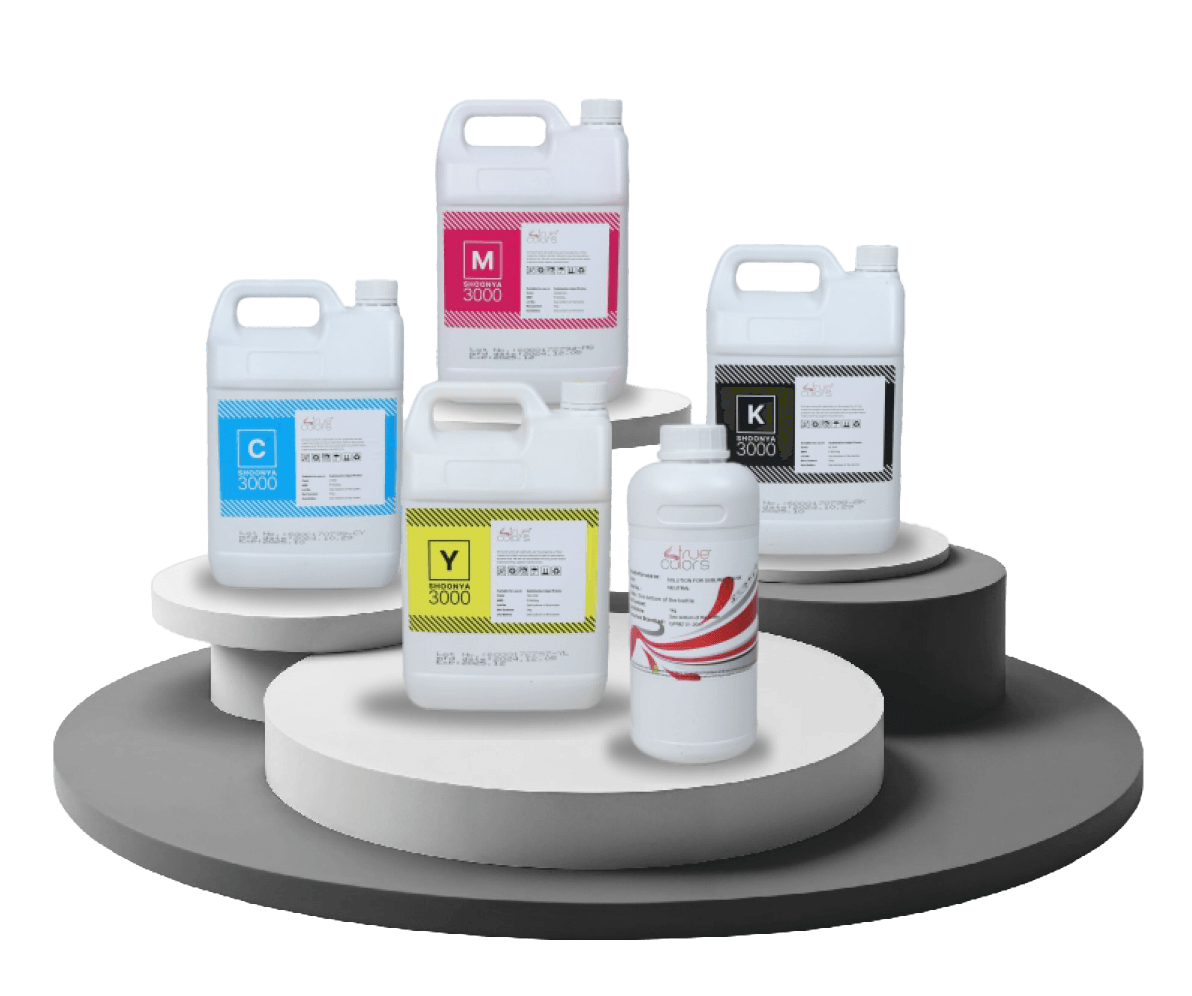
- Ink quality
- Color profiling
- Fabric preparation
When these elements align, consistent output becomes achievable across long production runs.
Batch Consistency: The True Test of Export Quality
Producing one perfect sample is easy.
Repeating that exact shade across thousands of meters is the real challenge.
In export production, color consistency must be maintained:
- Across shifts
- Across multiple machines
- Across repeat orders
- Across varying environmental conditions
Strong process control ensures that color accuracy in textile printing remains stable from sampling to bulk production.
Impact on Business Performance
Accurate color reproduction directly affects:
- Buyer trust
- Repeat business
- Global brand partnerships
- Operational profitability
Inaccurate shades increase rejection rates and inflate operational costs due to reprinting and material waste.
Export-focused textile units must therefore treat color control not as a technical detail — but as a competitive advantage.
Supporting Scalable Export Production
As textile exporters scale digital operations, the importance of color management becomes even more critical.
Reliable digital infrastructure supports:
- Repeatable color calibration
- Reduced shade variation
- Faster approval cycles
- Predictable production timelines
Strong production systems ensure that exporters maintain credibility in global markets.
Conclusion
Export-quality textile production demands more than speed — it demands precision.
Color accuracy in textile printing forms the backbone of reliable global supply chains. From sampling to bulk dispatch, maintaining shade consistency protects margins, strengthens buyer relationships, and supports scalable growth.
For textile manufacturers competing internationally, color accuracy is not just about aesthetics — it is about operational excellence. True Colors helps textile manufacturers achieve this consistency through advanced printing technology, optimized systems, and expert technical support.