The journey of a printed fabric begins long before the printing machine starts running.
In textile manufacturing, the transformation from greige fabric to finished printed fabric involves a series of carefully controlled steps. Each stage in the printed fabric production process directly influences color accuracy, fabric quality, and overall production efficiency.
Understanding this journey helps textile manufacturers maintain consistent output and meet the demanding standards of modern fabric production.
What Is Greige Fabric?
Greige fabric is the raw, unfinished fabric that comes directly from the weaving or knitting process.
At this stage, the fabric still contains:
- Natural oils
- Wax residues
- Sizing chemicals from weaving
- Surface impurities
Because of these elements, greige fabric is not ready for printing. It must first go through preparation processes that make it suitable for digital or sublimation printing.
Stage 1: Fabric Preparation
Before printing begins, greige fabric undergoes several preparation treatments.
These processes may include:
- Desizing
- Scouring
- Bleaching
- Fabric stabilization
The purpose of this stage is to create a clean and uniform surface that can properly absorb ink.
If preparation is inconsistent, printing may result in:
- Uneven color penetration
- Blurred designs
- Patchy output
Proper preparation ensures that the fabric is ready for precise printing.
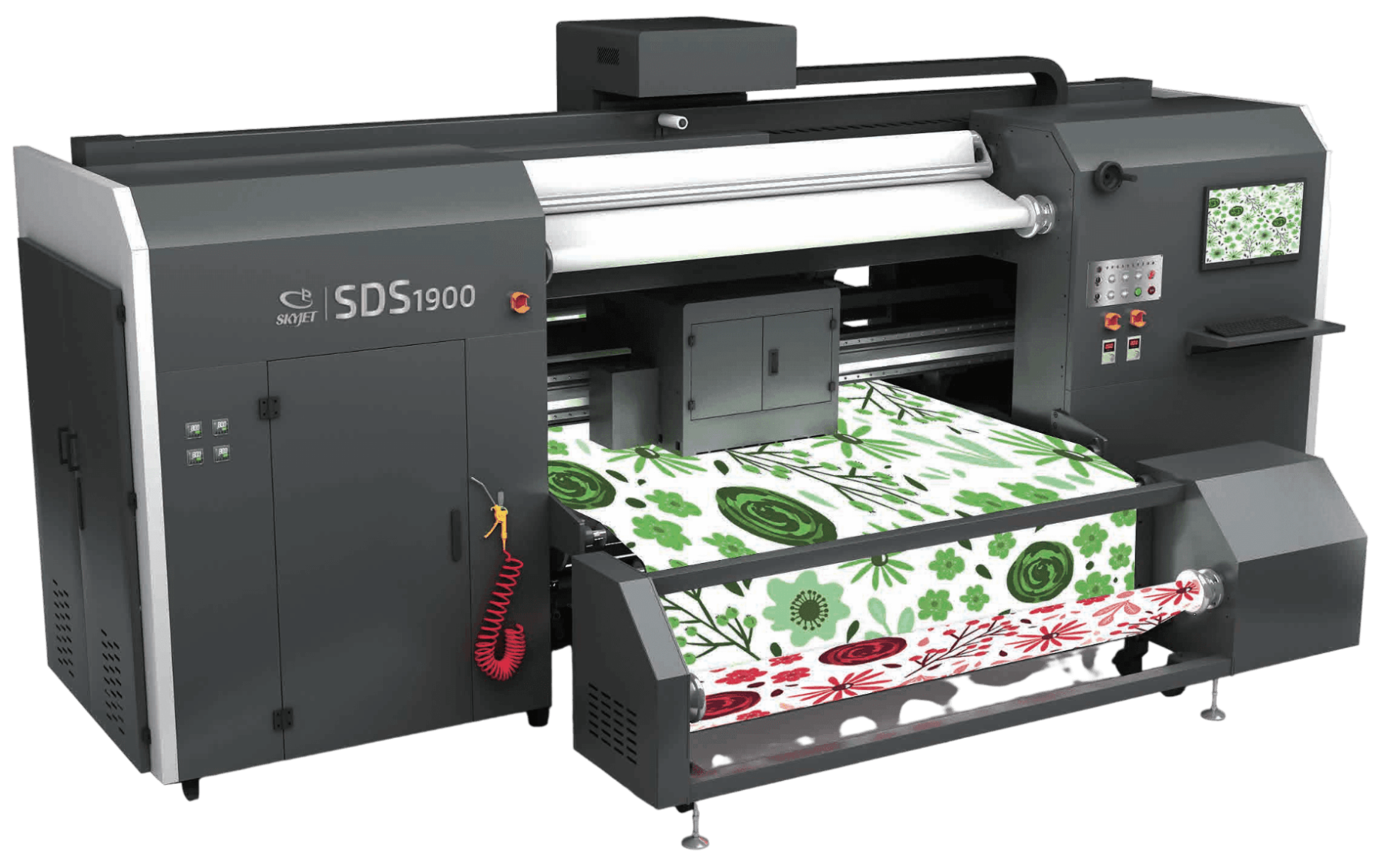
Stage 2: Digital Printing
Once the fabric is prepared, it moves to the digital printing stage.
Here, advanced textile printers apply ink directly onto the fabric surface with controlled droplet precision.
Digital printing offers several advantages:
- High design flexibility
- Accurate pattern reproduction
- Faster turnaround for complex designs
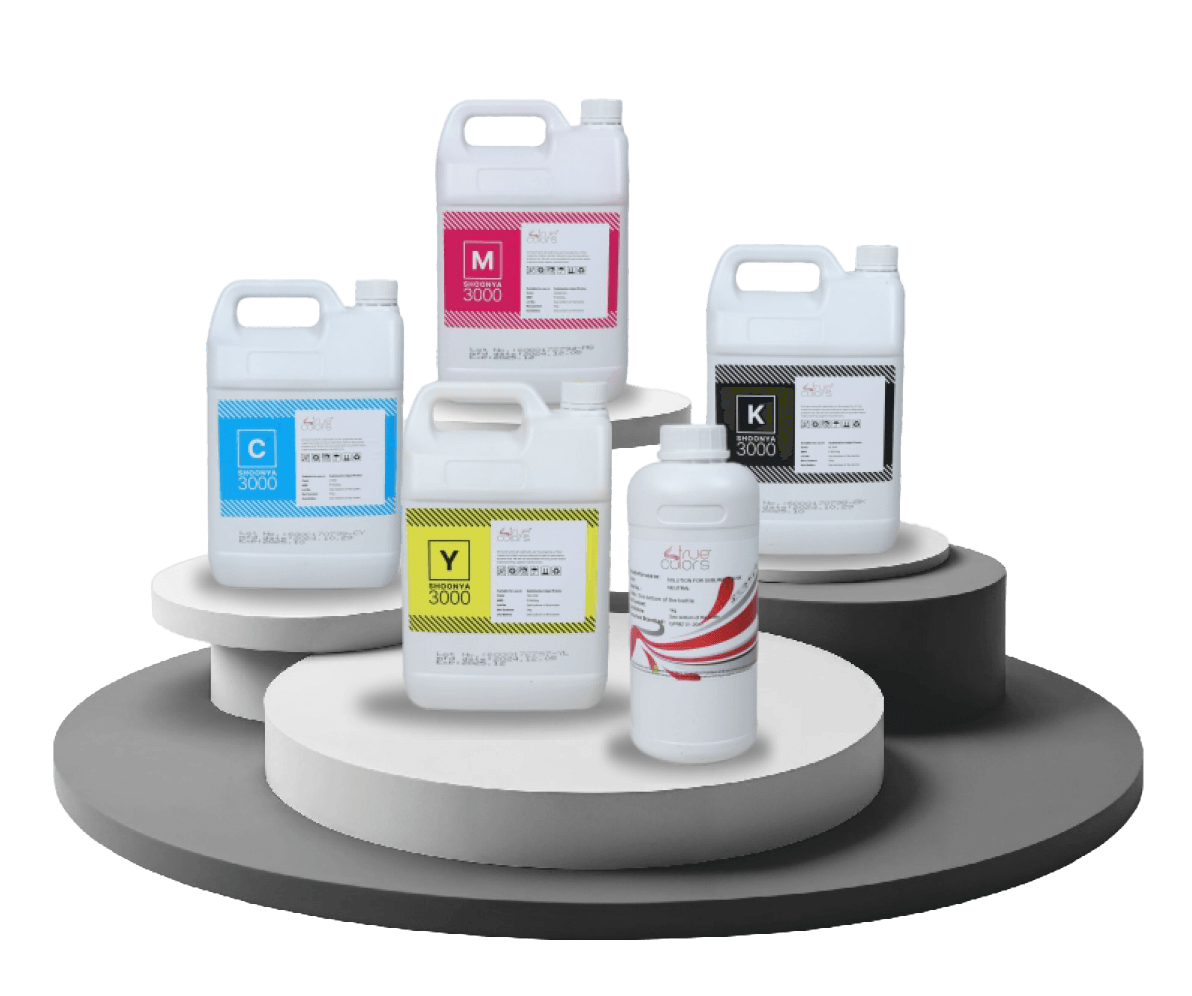
At this stage, factors such as machine calibration, ink compatibility, and fabric stability all influence the quality of the printed output.
Stage 3: Fixation and Color Development
Printing alone does not permanently bond the color to the fabric.
The printed fabric must go through a fixation process where heat or steam helps the dye penetrate and bond with the fibers.
This stage determines:
- Color vibrancy
- Wash durability
- Shade stability
Proper fixation ensures that the printed design becomes a permanent part of the fabric structure.
Stage 4: Washing and Finishing
After fixation, the fabric typically undergoes washing and finishing processes.
This stage removes excess chemicals and enhances the final fabric properties.
Common finishing treatments may include:
- Washing to remove residual dye
- Fabric softening
- Surface finishing for improved texture
These steps help achieve the final appearance and feel required for commercial textile applications.
Why Understanding the Full Journey Matters
Many textile manufacturers focus primarily on printing speed or machine performance. However, the quality of the final product depends on the entire printed fabric production process.
When every stage—from greige preparation to finishing—is properly controlled, manufacturers achieve:
- Consistent color reproduction
- Better fabric quality
- Reduced production errors
- Reliable large-scale output
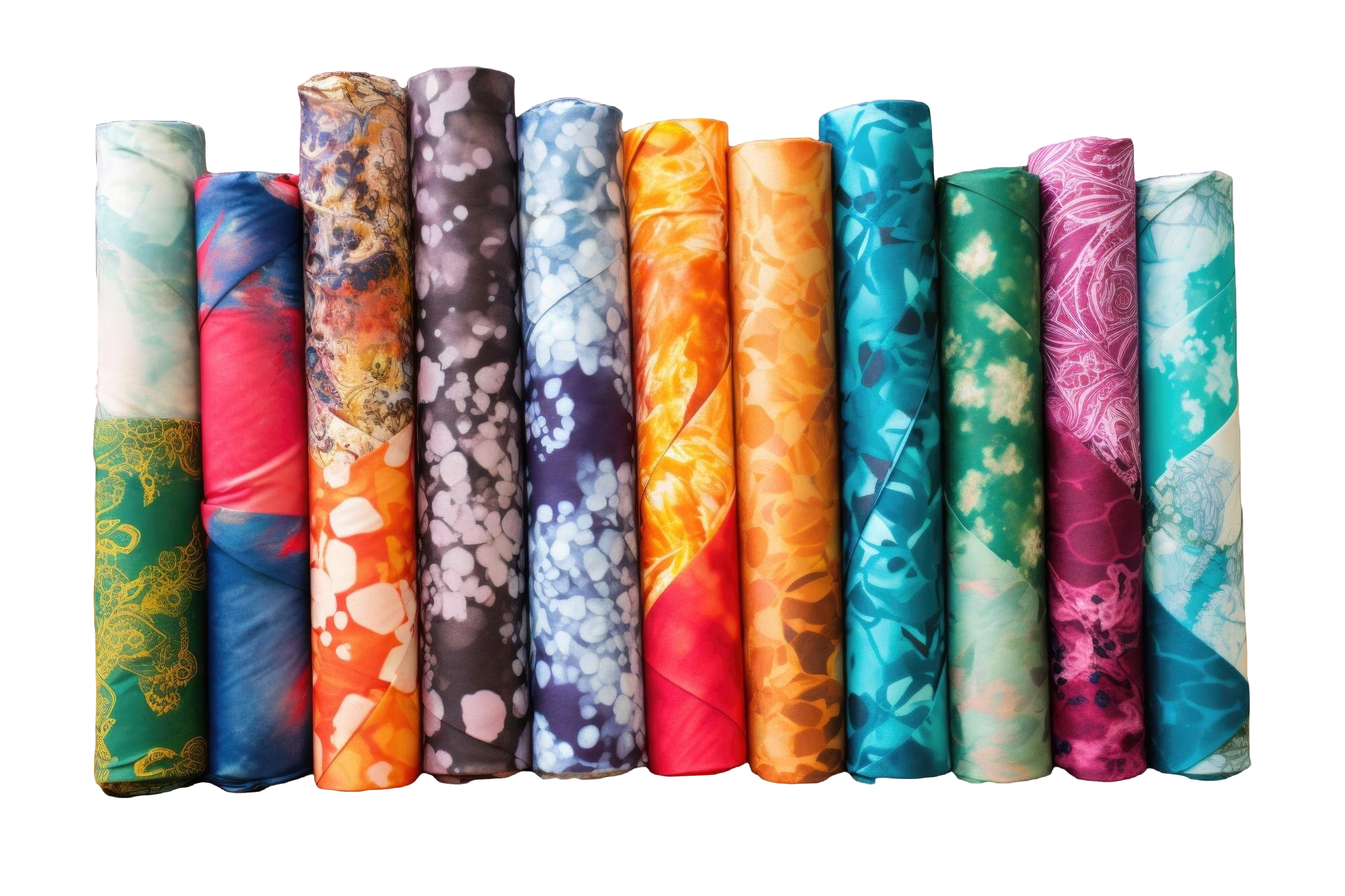
Understanding the full journey ensures that every meter of printed fabric meets the required production standards.
Conclusion
The transformation from greige fabric to finished printed fabric is a carefully managed process. Each stage – preparation, printing, fixation, and finishing—plays a critical role in determining the final output quality.
By understanding the printed fabric production process, textile manufacturers can maintain better production control, improve consistency, and deliver reliable printed fabrics at scale.
From greige to great, the journey of printed fabrics is defined by precision at every step.