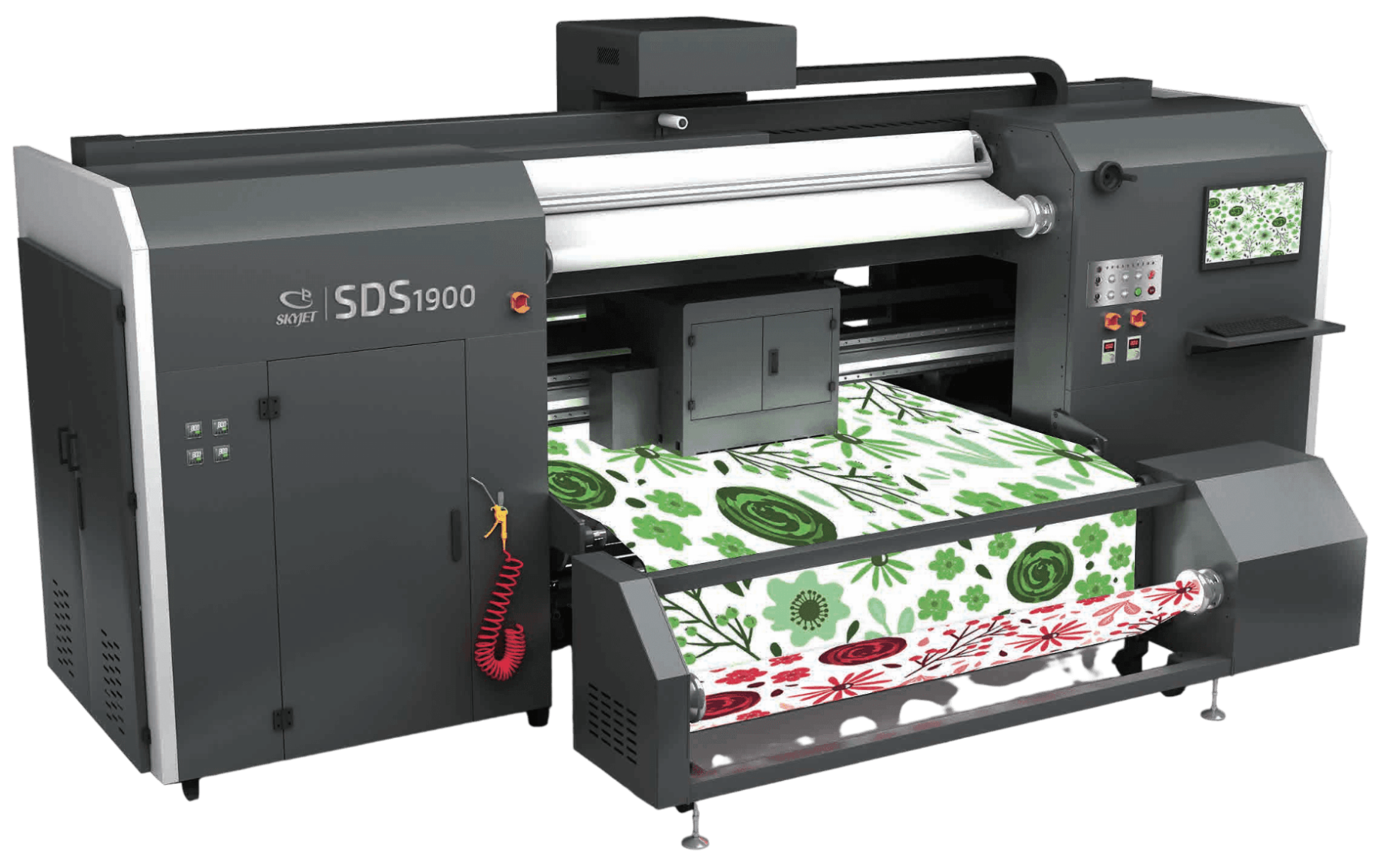
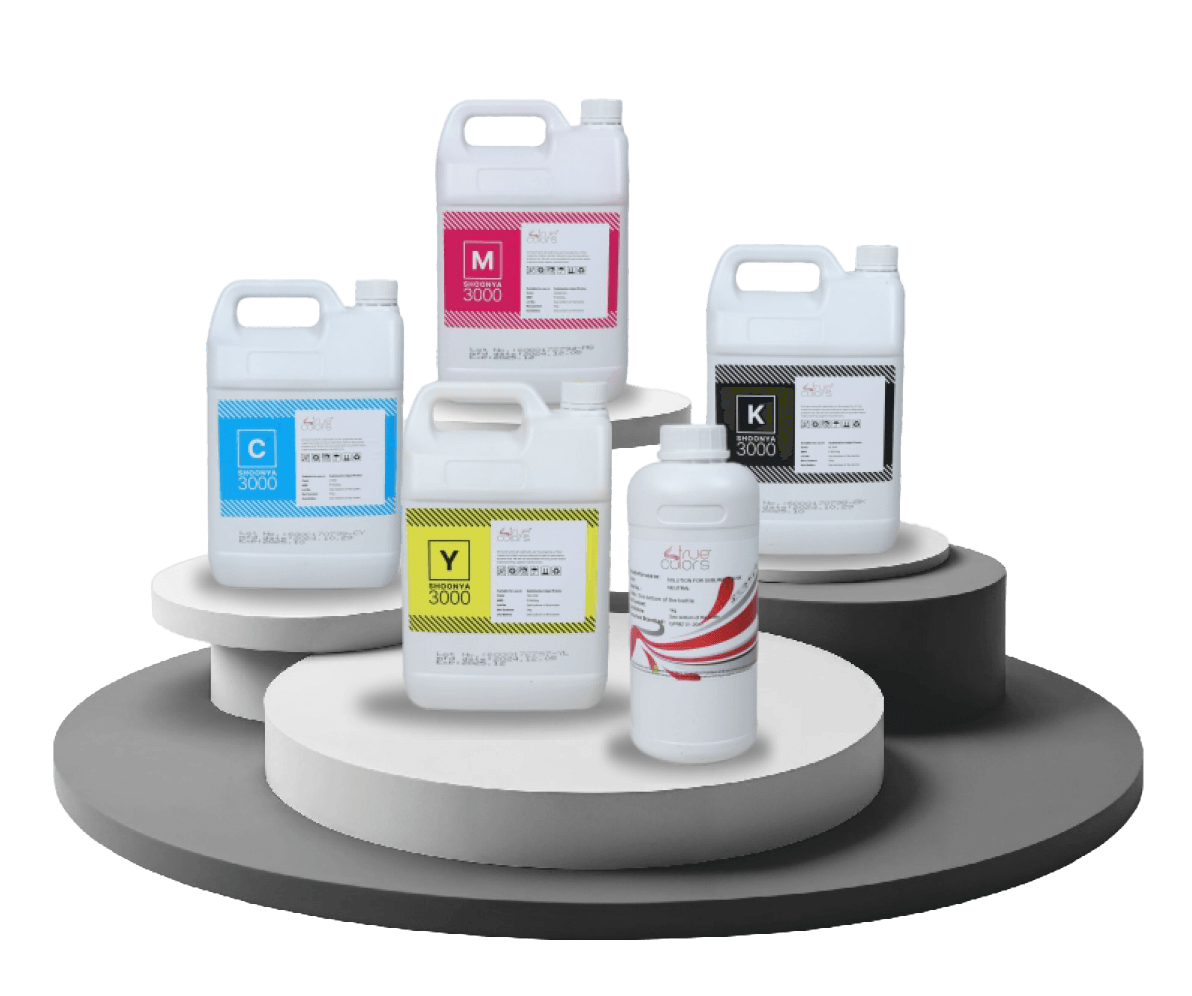
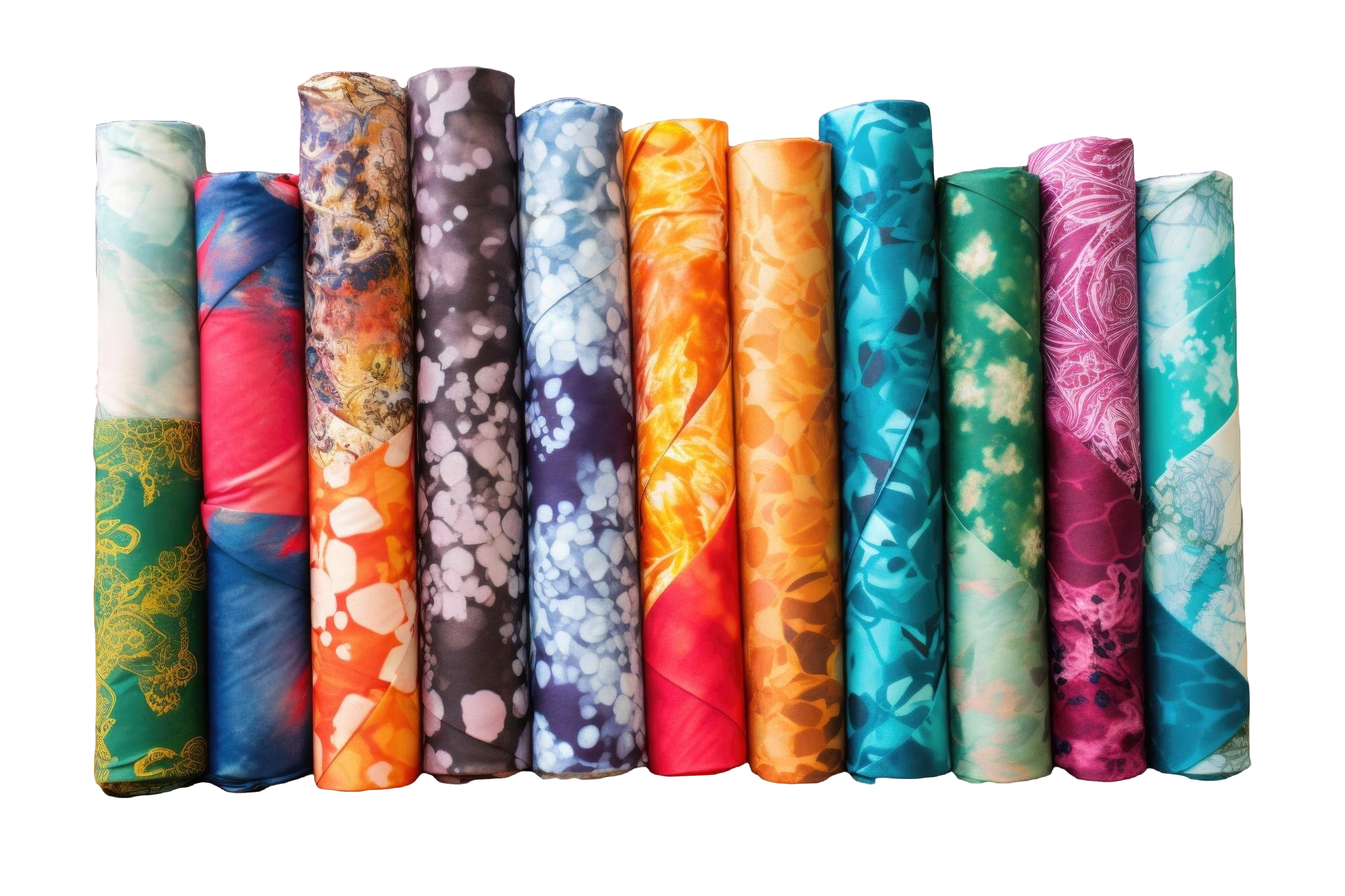
In digital textile printing, many focus on machines, ink, and speed.
But the journey of quality actually begins before printing starts.
Fabric pre-treatment in digital printing plays a decisive role in determining color vibrancy, sharpness, and overall output consistency.
No matter how advanced the printer is — untreated or poorly prepared fabric can compromise the final result.
What Is Fabric Pre-Treatment?
Pre-treatment refers to preparing the fabric surface before digital printing.
This process ensures that the fabric is:
- Properly cleaned
- Evenly coated (where required)
- Ready to receive ink
- Stabilized for uniform absorption
Pre-treatment creates the foundation that allows ink to bond correctly with fibers.
Why Pre-Treatment Directly Impacts Output Quality
Ink Absorption Control
If the fabric absorbs ink unevenly, it may cause:
- Blurred edges
- Color bleeding
- Patchy print zones
Proper pre-treatment ensures controlled ink penetration for sharper output.
Color Accuracy & Vibrancy
Digital printing depends on precise droplet placement.
If the fabric surface reacts inconsistently, shade variation occurs.
Effective fabric pre-treatment in digital printing helps:
- Maintain accurate color reproduction
- Improve brightness
- Reduce dullness in final prints
This is especially critical for export-quality textile production.
Reduced Ink Consumption
When fabric absorbs ink excessively due to poor preparation, it increases:
- Ink usage per meter
- Overall production cost
Correctly prepared fabric optimizes ink usage and supports better cost control.
Improved Wash & Durability Performance
Pre-treatment also influences:
- Dye bonding strength
- Wash resistance
- Surface smoothness
Without proper preparation, prints may fade faster or lose clarity after washing.
The Hidden Cost of Ignoring Pre-Treatment
Skipping or underestimating pre-treatment can lead to:
- Higher rejection rates
- Reprinting expenses
- Increased downtime
- Production inconsistencies
Even with advanced machines, untreated fabric becomes a production bottleneck.
Aligning Fabric, Ink & Machine for Best Results
Digital textile printing works best when:
- Fabric pre-treatment is consistent
- Ink formulation is optimized
- Machine calibration is precise
All three elements must function together for stable, repeatable results.
When pre-treatment is controlled, the printing system performs at its full potential.
Conclusion
In digital textile production, final output quality is not determined at the printer — it begins with fabric preparation.
Fabric pre-treatment in digital printing directly affects color accuracy, ink control, durability, and cost efficiency. For textile manufacturers aiming to maintain high production standards, pre-treatment is not a background process — it is a quality foundation.
From preparation to final print, excellence is built step by step. True Colors supports textile manufacturers with advanced digital printing solutions that ensure reliable and consistent production results.