In digital textile printing, many manufacturers focus heavily on machine specifications, printhead technology, and production speed. However, ink compatibility in digital textile printing is one critical factor that often receives less attention than it deserves.
In reality, ink compatibility in digital textile printing can directly affect machine performance, print quality, and overall production efficiency. Even the most advanced printers cannot deliver consistent results if the ink is not properly matched with the system.
Understanding this relationship helps textile manufacturers avoid costly inefficiencies and maintain stable production.
The Role of Ink in Digital Printing Systems
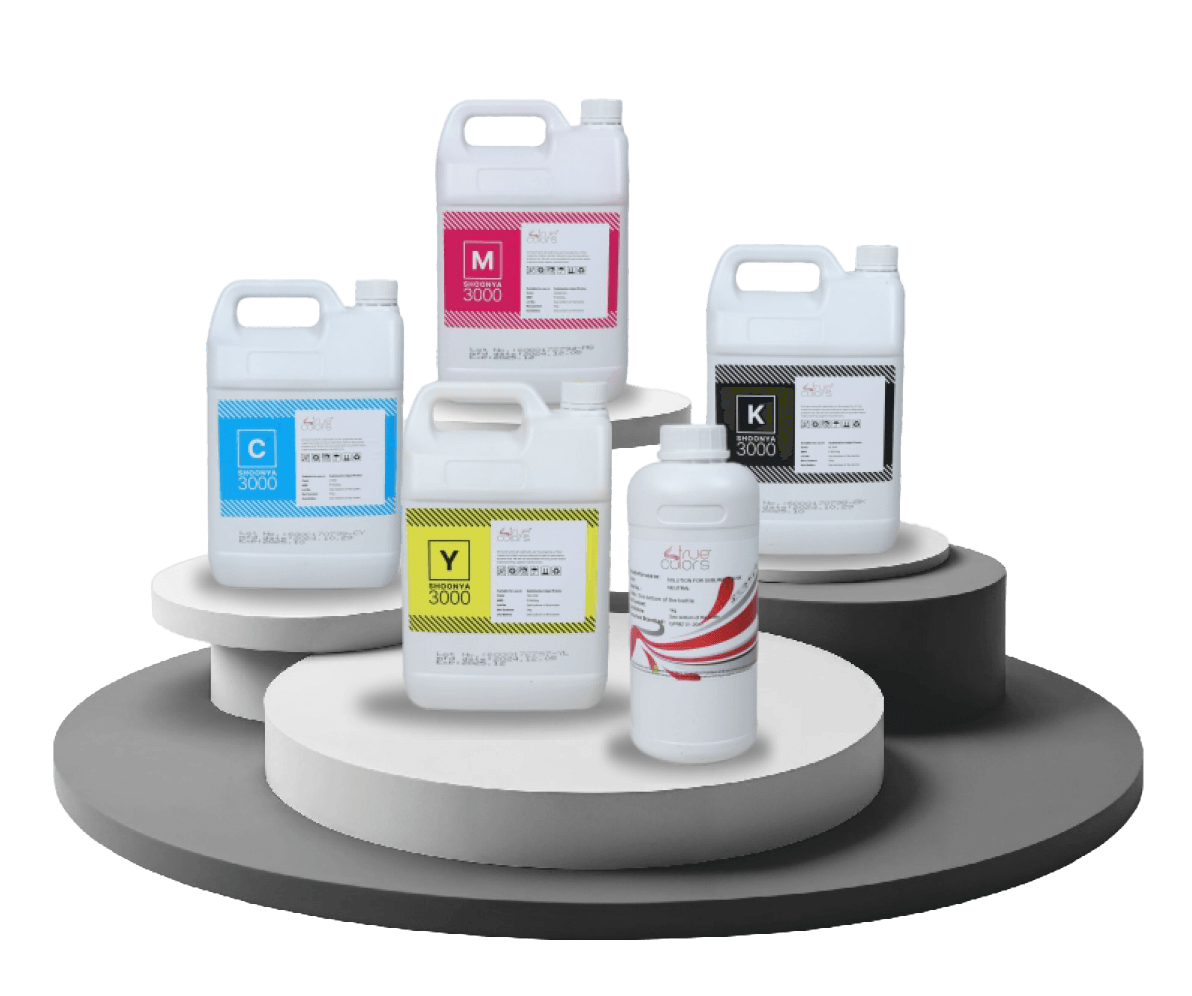
Ink is not simply a consumable component. It interacts directly with several critical elements of the printing system, including:
- Printheads
- Ink delivery systems
- Fabric characteristics
- Machine configuration
If the ink formulation does not align with these components, the entire printing process can become unstable.
As a result, printers may experience variations in color output, increased maintenance cycles, or inconsistent production results.
How Poor Ink Compatibility Impacts Production
When ink is not properly optimized for a machine, several issues can arise during production.
Printhead Performance Issues
Printheads require precise droplet formation for accurate ink placement. Incompatible inks may lead to irregular droplet behaviour, affecting print sharpness and detail reproduction.
Increased Maintenance and Cleaning
Poor ink compatibility can increase nozzle blockages and require frequent cleaning cycles. This not only interrupts production but also reduces overall machine efficiency.
Inconsistent Color Output
Different machines may respond differently to the same ink. Without proper compatibility, manufacturers may struggle to maintain consistent shades across production batches.
Higher Operational Costs
Inefficient ink performance often leads to increased ink consumption and unexpected production interruptions, which ultimately raise the cost per meter.
Why Machine-Specific Ink Optimization Matters
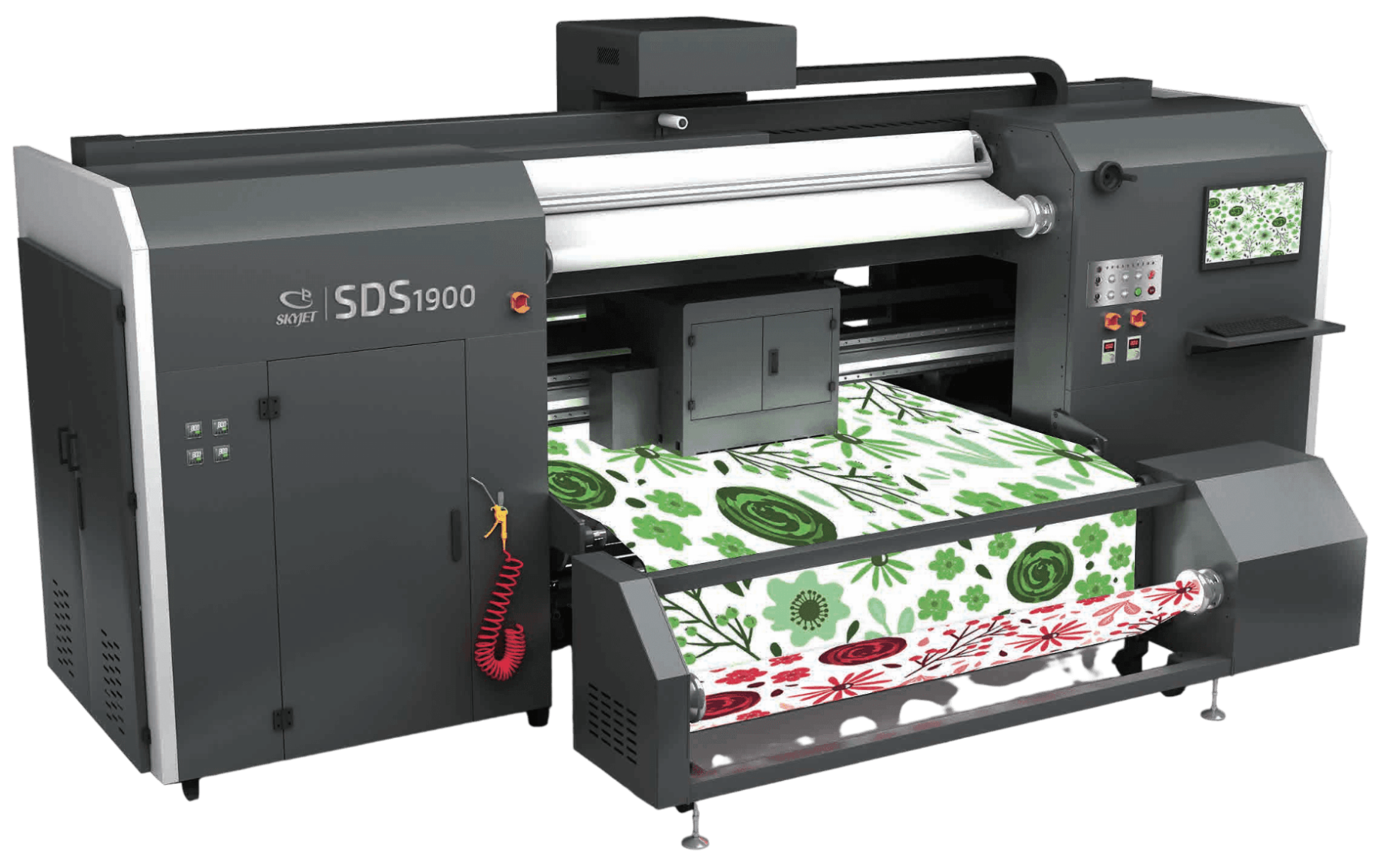
Digital textile printing machines operate with unique technical configurations. Printhead types, ink delivery systems, and printing speeds vary across different models.
Because of these differences, achieving stable ink performance often requires machine-specific optimization and calibration.
Careful evaluation of machine settings, ink behaviour, and production conditions helps ensure that the printing system performs consistently across long production runs.
Supporting Consistent Ink Performance
Maintaining reliable ink compatibility requires a deeper understanding of both the machine and the printing process. Factors such as ink formulation, profiling, and system calibration all influence how ink behaves during production.
Through technical expertise and machine-level analysis, True Colors works with textile manufacturers to ensure that ink performance remains stable across different printing environments. This approach helps production lines achieve consistent output while maintaining machine efficiency.
Conclusion
In digital textile printing, machine technology alone cannot guarantee reliable output. Ink compatibility plays an equally important role in determining production stability and print quality.
By ensuring proper ink compatibility in digital textile printing, manufacturers can reduce operational disruptions, maintain consistent color results, and improve overall production efficiency.
Understanding this relationship allows textile printers to move beyond basic machine performance and focus on building a truly optimized digital printing ecosystem.