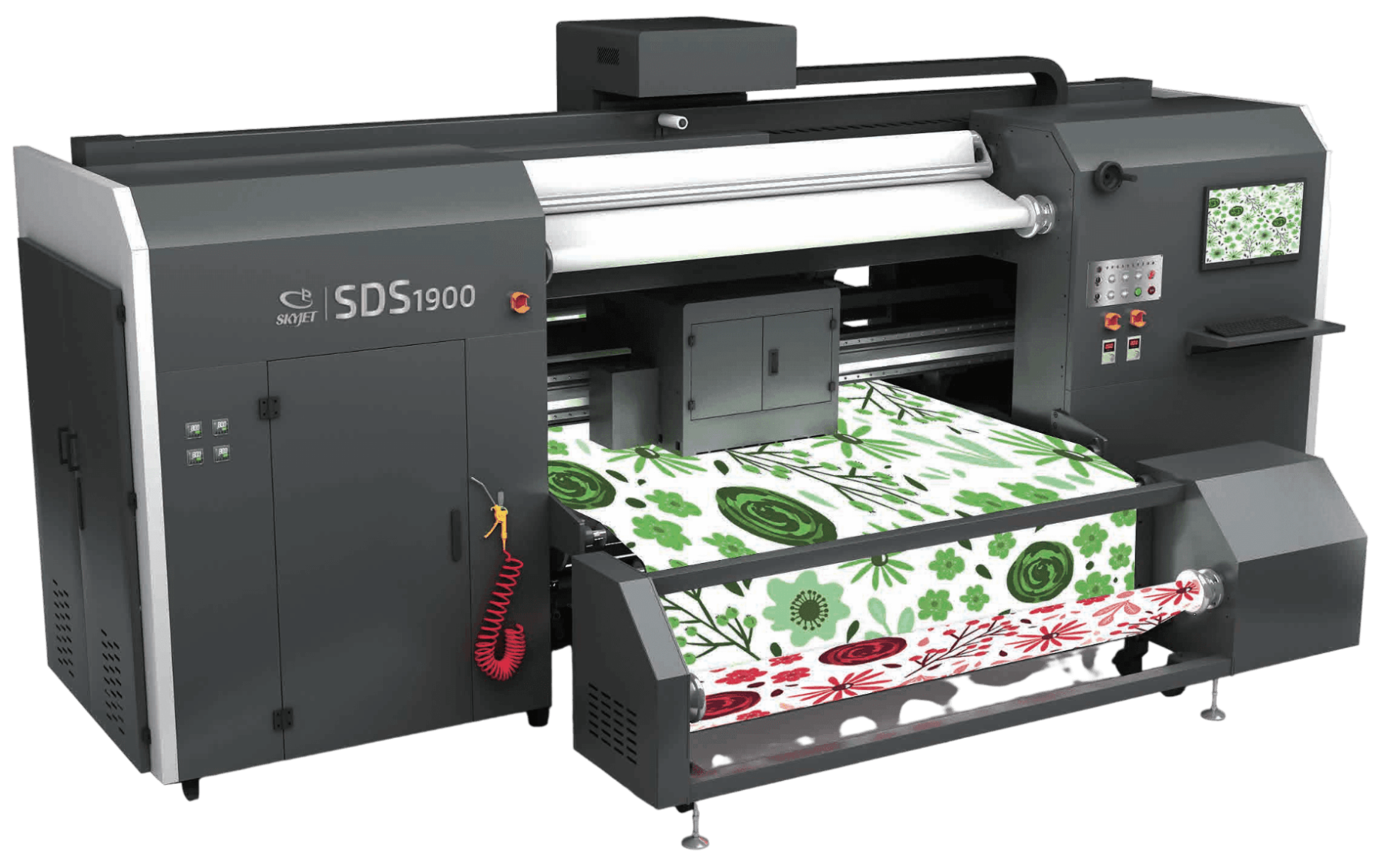
In industrial sublimation printing, machine technology plays a major role in production. However, the operator’s role is equally important in maintaining stable performance.
Even advanced sublimation printers require proper setup, monitoring, and routine checks. Small operational mistakes can lead to issues such as print defects, paper misalignment, or inconsistent colour output.
For textile manufacturers, well-trained operators help ensure smooth production, consistent print quality, and minimal downtime.
Understanding Stability in Sublimation Printing
Stable sublimation printing means that the machine can run continuously without interruptions while maintaining consistent output quality.
This stability depends on several operational factors, including:
- Paper feeding accuracy
- Ink system performance
- Printhead condition
- Machine parameter settings
- Environmental conditions
Operators must monitor these elements regularly to keep the printing process stable.
Ensuring Proper Paper Setup
One of the first steps in stable sublimation printing is correct paper installation.
Operators should ensure that:
- The sublimation paper roll is mounted correctly on the unwinder
- Paper alignment is straight and centered
- Paper tension remains balanced during feeding
If the paper is misaligned, it can lead to wrinkles, print distortion, or feeding errors during long production runs.
Monitoring Printhead Performance
Printheads are the most critical components in any digital printing machine. Their performance directly affects print clarity and colour accuracy.
Operators should regularly check:
- Nozzle condition
- Ink flow consistency
- Printhead cleaning cycles
If minor print defects appear, running a controlled cleaning cycle can often restore printhead performance.
Regular monitoring helps prevent long-term damage to the printheads.
Checking Printing Parameters Before Production
Before starting a print job, operators should verify key printing parameters.
These include:
- Print quality settings
- Pass configuration
- Paper width settings
- Printing mode (bidirectional or unidirectional)
Incorrect settings can affect print precision and production efficiency.
A quick verification before printing can prevent costly errors during long runs.
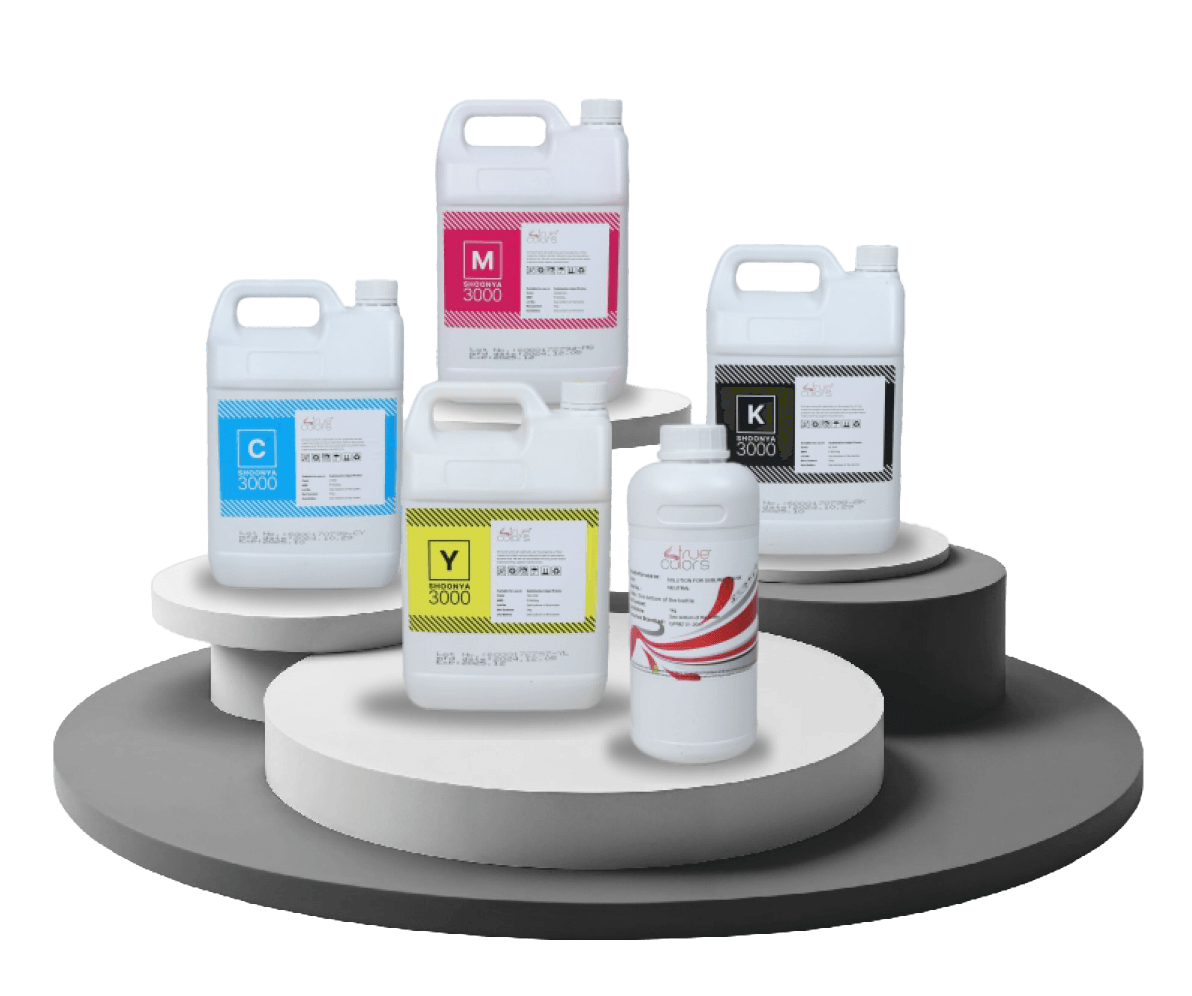
Maintaining Stable Ink Supply
Ink flow stability is essential for smooth printing performance.
Operators should ensure that:
- Ink levels are sufficient for the print job
- Ink lines are functioning correctly
- Ink cartridges or tanks are properly installed
Inconsistent ink flow can cause colour variation or print interruptions.
Maintaining a stable ink supply helps keep production consistent.
Monitoring Paper Feeding During Printing
Even after printing starts, operators should observe the paper feeding system.
Components such as:
- pinch rollers
- dancing bar systems
- vacuum beds
help maintain stable paper movement.
If the paper shows signs of slipping or wrinkling, the operator should pause the machine and correct the issue immediately.
Early intervention prevents print defects across large production runs.
Using Machine Shutdown Procedures Correctly
Proper shutdown procedures are important for maintaining long-term machine stability.
Operators should activate protective functions such as printhead sealing before switching off the machine.
This helps protect the printheads from dust exposure and prevents ink from drying inside the nozzles.
Following correct shutdown steps helps extend machine life and maintain consistent performance.
Conclusion
Stable sublimation printing performance depends on a combination of machine technology and operator expertise.
By maintaining proper paper setup, monitoring printhead condition, checking printing parameters, and ensuring stable ink supply, operators can keep production running smoothly.
In digital textile printing, consistency is built through attention to operational detail. When operators follow correct workflows, sublimation printing systems deliver reliable output across long production cycles.