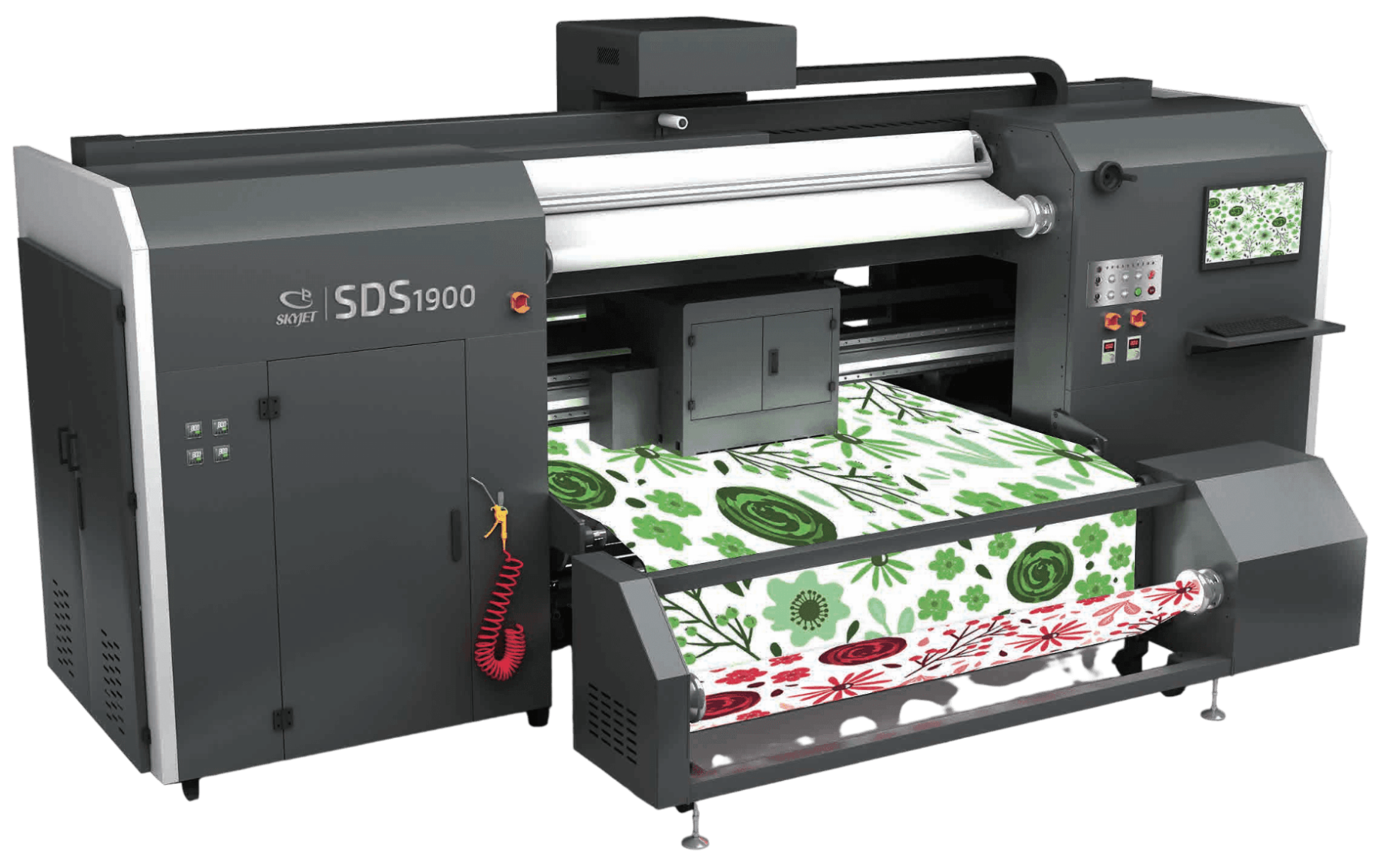
High speed textile printers are helping textile businesses improve profitability by increasing production speed and reducing operational costs. In a competitive market, profit margins depend on how efficiently a business can produce high-quality output within a limited time. Faster machines play a major role in achieving this balance.
Faster Production, More Output
One of the biggest advantages of high-speed printers is the ability to complete more orders in less time. Traditional printing methods often involve long setup processes and slower production cycles. Modern printing systems reduce these delays, allowing businesses to handle higher volumes without increasing working hours.
This increased output directly contributes to higher revenue without requiring additional infrastructure.
Reduced Operational Costs
Faster machines help reduce multiple cost factors. Since production is quicker, energy consumption per unit decreases. At the same time, fewer manual processes are required, which reduces labor dependency.
They also minimize setup waste, helping save raw materials. Lower wastage means better cost control and improved overall efficiency.
Improved Consistency and Less Rework
Rework is one of the hidden costs in textile production. Inconsistent prints often lead to rejected batches and repeated production. With stable and high-speed output, businesses can maintain better consistency.
This reduces errors and eliminates unnecessary reprinting, saving both time and cost.
Better Utilization of Existing Resources
Instead of expanding floor space or adding more machines, businesses can increase their production capacity using high speed textile printers. This allows better utilization of existing manpower and infrastructure.
Production processes become more streamlined, enabling businesses to achieve higher output without major investment.
Handling Market Demand Efficiently
Market demand in the textile industry is often unpredictable. Businesses need to respond quickly to bulk orders or urgent requirements. High-speed printers provide the flexibility to scale production instantly.
They also allow quick design changes, making it easier to manage changing market needs.
Long-Term Profitability
Improving profit margins is not just about increasing revenue but also about controlling costs and maintaining efficiency. High-speed systems support both by optimizing production and reducing wastage.
With better output, consistency, and efficiency, businesses can achieve more stable and long-term growth.
Conclusion
High speed textile printers are a key factor in improving profit margins for modern textile businesses. By increasing output, reducing costs, and improving efficiency, they create a strong foundation for sustainable growth.