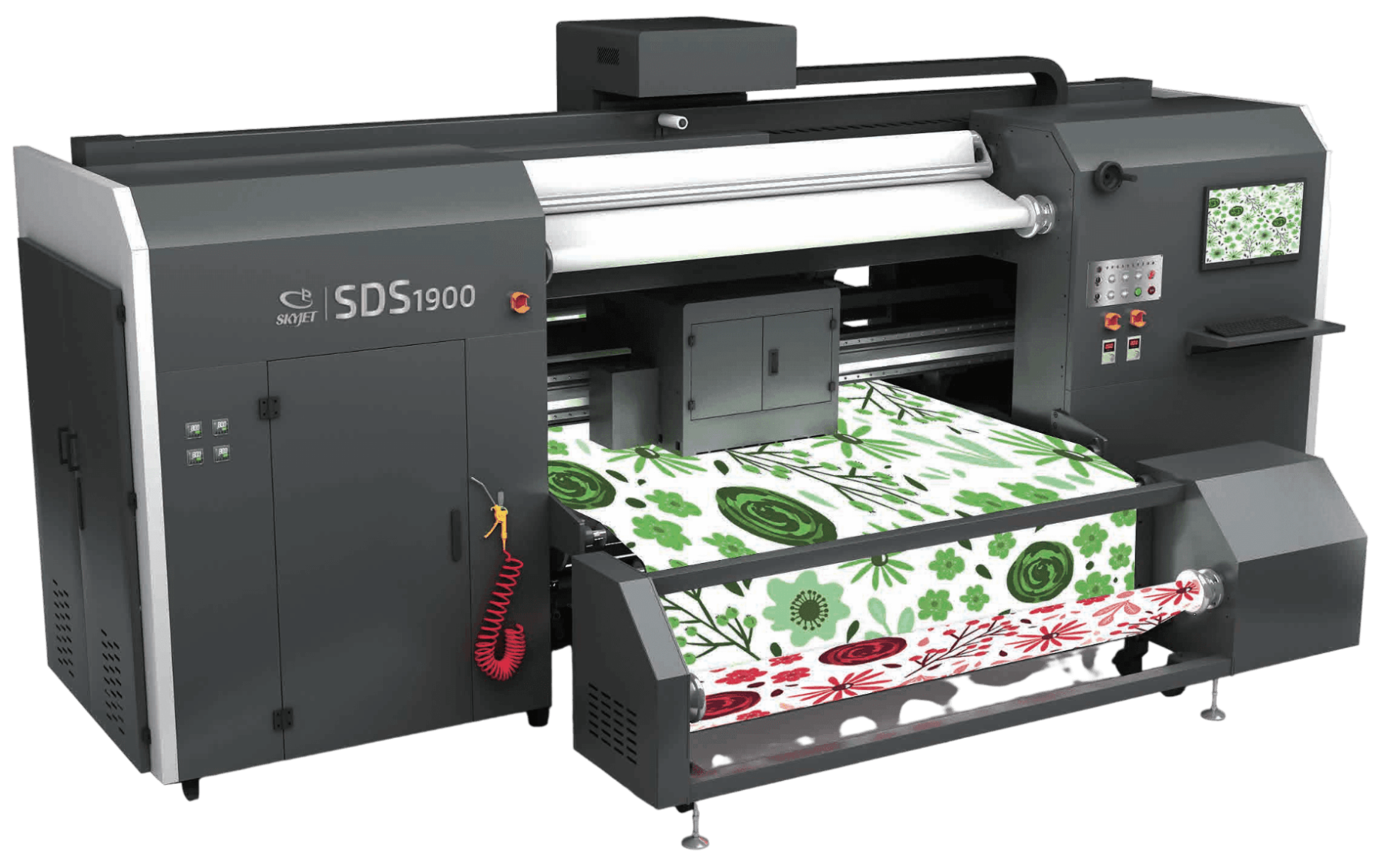
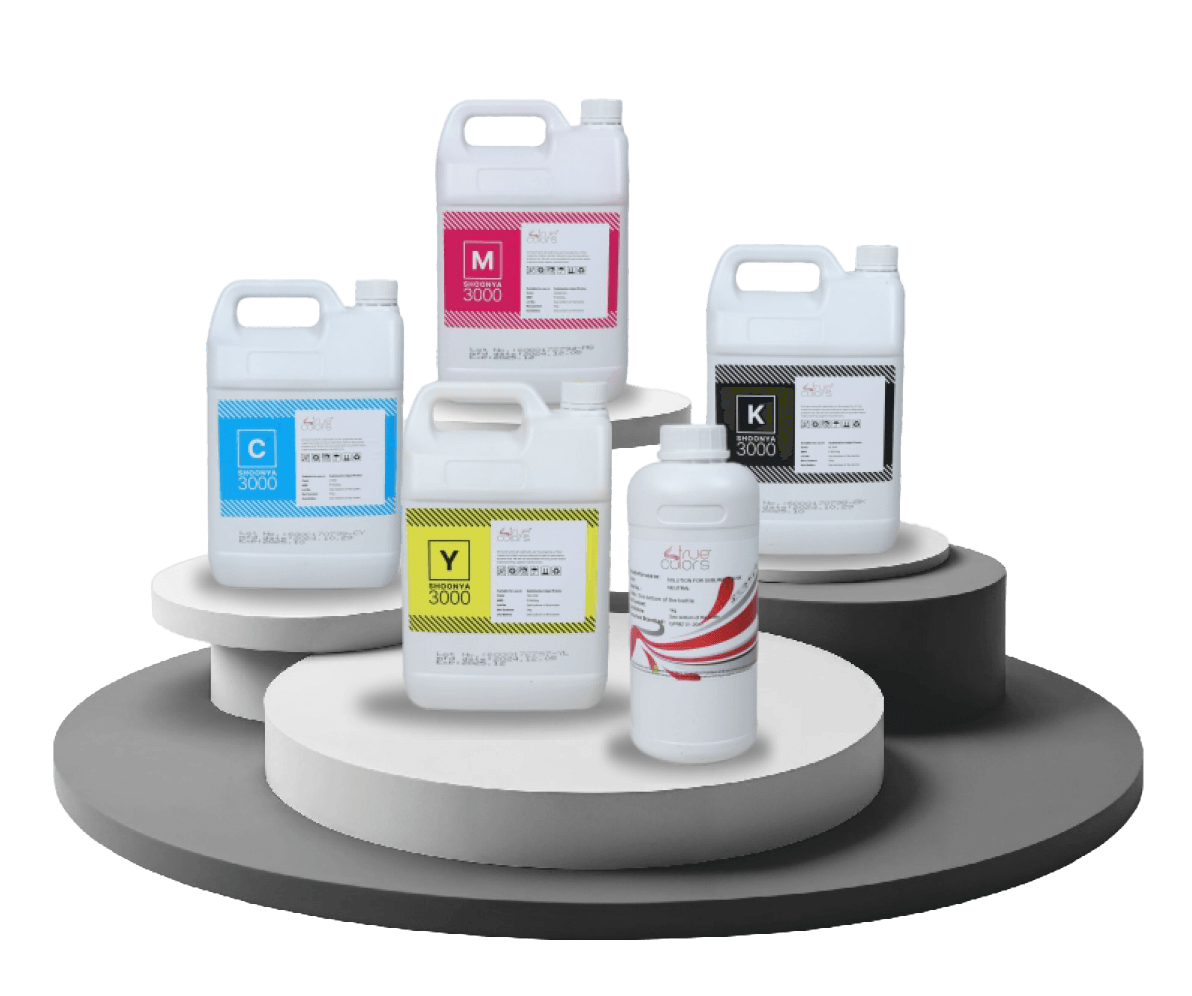
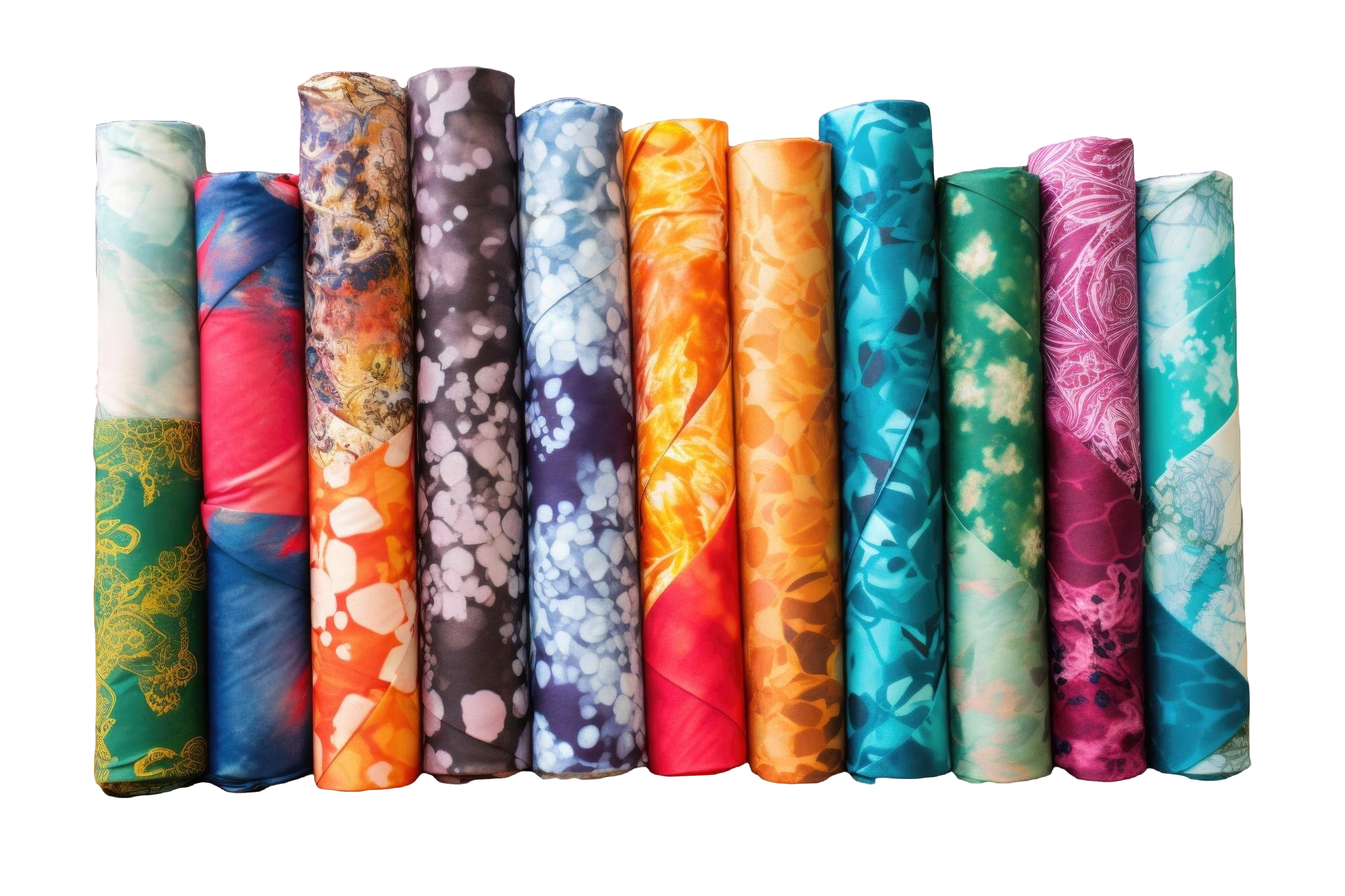
In today’s textile industry, integrated textile printing solutions help businesses improve efficiency, consistency, and overall production control. Instead of relying on standalone machines or disconnected processes, companies are now shifting towards systems where machines, inks, sublimation paper, fabrics, and after-sales service work together in one connected setup.
What Are Integrated Textile Printing Solutions?
Integrated textile printing solutions combine all essential components of the printing process into one ecosystem. This includes machines, inks, sublimation paper, fabrics, and after-sales service, all working in sync.
As a result, businesses no longer need to manage multiple vendors or deal with compatibility issues. Instead, they operate through a unified system that simplifies production and improves control.
How Integrated Textile Printing Solutions Improve Workflow
One of the biggest advantages of this approach is a smoother and more efficient workflow. When machines and materials are aligned, production becomes more streamlined.
- Fewer interruptions during printing
- Faster job transitions
- Reduced manual adjustments
Therefore, businesses can manage time better and increase output without increasing operational complexity.
Consistent Output with a Connected Printing Ecosystem
In textile printing, even small inconsistencies can affect the final product. When machines, inks, sublimation paper, and fabrics come from different sources, maintaining uniform quality becomes difficult.
Integrated textile printing solutions solve this by ensuring compatibility between all components. This results in:
- Stable color output
- Better print clarity
- Consistent results across batches
Reduced Operational Risks
Managing separate systems often creates unexpected issues such as compatibility problems or performance variations. Consequently, production slows down and downtime increases.
However, when everything works as one system, these risks are minimized. This improves reliability and ensures smoother operations.
Better Technical Support and Maintenance
Another key benefit is centralized support. Instead of dealing with multiple service providers, businesses get unified after-sales service.
This ensures:
- Faster issue resolution
- Better system understanding
- Improved long-term performance
Cost Efficiency in the Long Run
Although integrated systems may seem like a larger investment initially, they reduce hidden costs over time.
- Lower maintenance expenses
- Reduced wastage
- Fewer production errors
As a result, businesses achieve better profitability and predictable operations.
Scalability for Growing Businesses
As textile businesses grow, managing operations becomes more complex. However, integrated systems make scaling easier.
With a complete setup including machines, inks, sublimation paper, fabrics, and service support, businesses can expand without losing efficiency or quality.
Conclusion
Smart textile businesses are shifting towards integrated solutions because they offer better control, improved efficiency, and consistent results. In a fast-moving industry, having a connected system is no longer optional — it is essential for long-term success.