Surat has long been known as one of India’s largest textile centers. Over the years, it has built a strong reputation in fabric production, processing, and trading. Today, the city is witnessing a major shift as digital textile printing continues to grow rapidly.
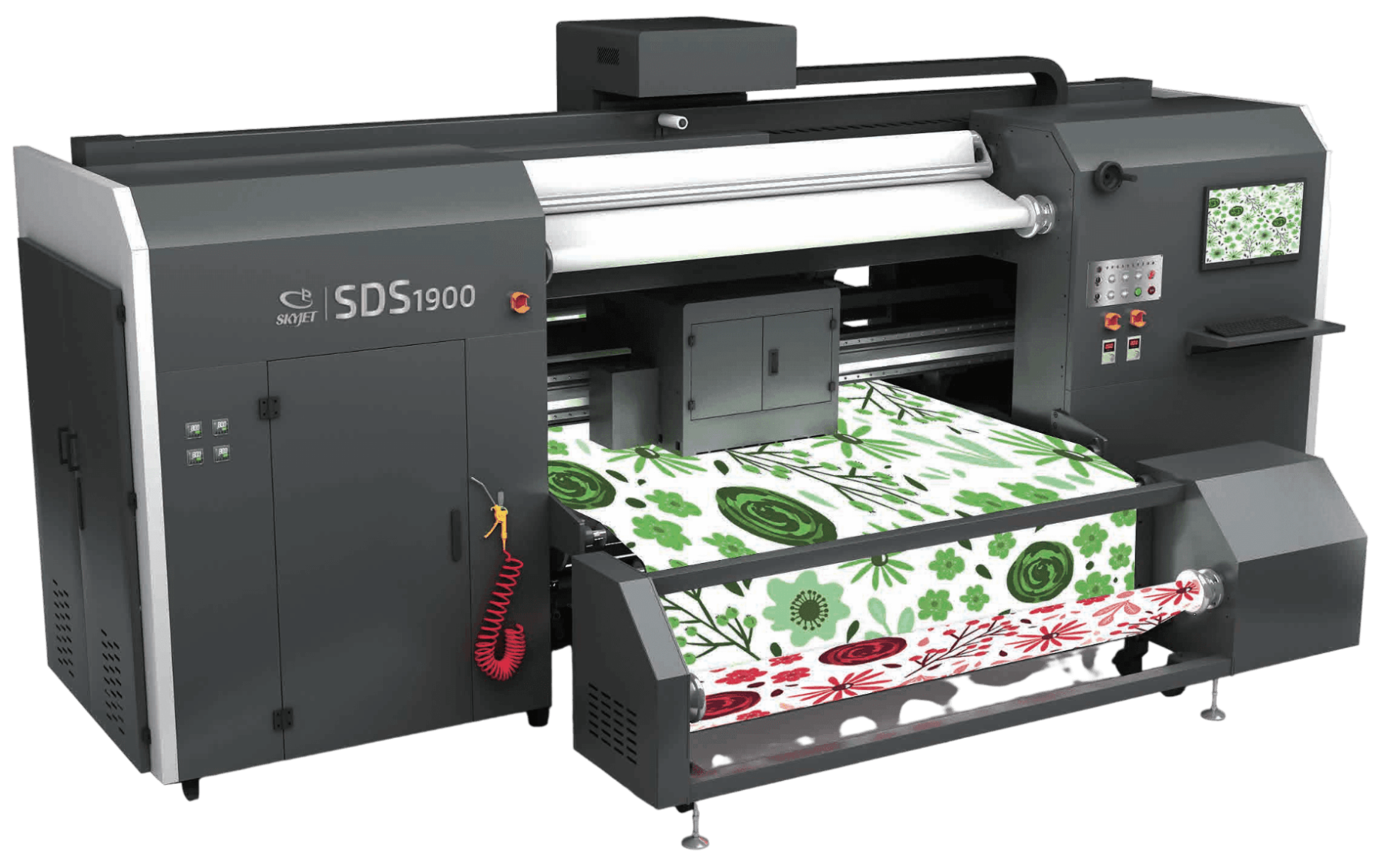
Surat digital textile printing is gaining momentum because of changing market demands and the need for faster, more flexible production methods. Unlike traditional printing, digital technology allows direct printing on fabric using advanced inkjet systems, eliminating long setup processes and reducing dependency on screens and plates.
Strong Textile Ecosystem
One of the biggest reasons behind Surat’s growth is its well-established textile ecosystem. The city already has:
- Large-scale fabric manufacturing units
- Dyeing and processing facilities
- Strong supply chain networks
This infrastructure allows businesses to adopt digital printing without major disruption. Instead of building new systems, they can upgrade existing operations with modern printing technology.
High Demand for Fast and Flexible Production
The textile market is evolving quickly, especially in fashion and export segments. Brands now demand quick sampling, rapid production, and frequent design updates.
Surat digital textile printing supports this shift by enabling:
- Instant design printing without setup delay
- Easy customization for multiple designs
- Efficient short-run and bulk production
This flexibility helps manufacturers respond faster to changing trends and buyer requirements.
Advanced Printing Process and Better Output Control
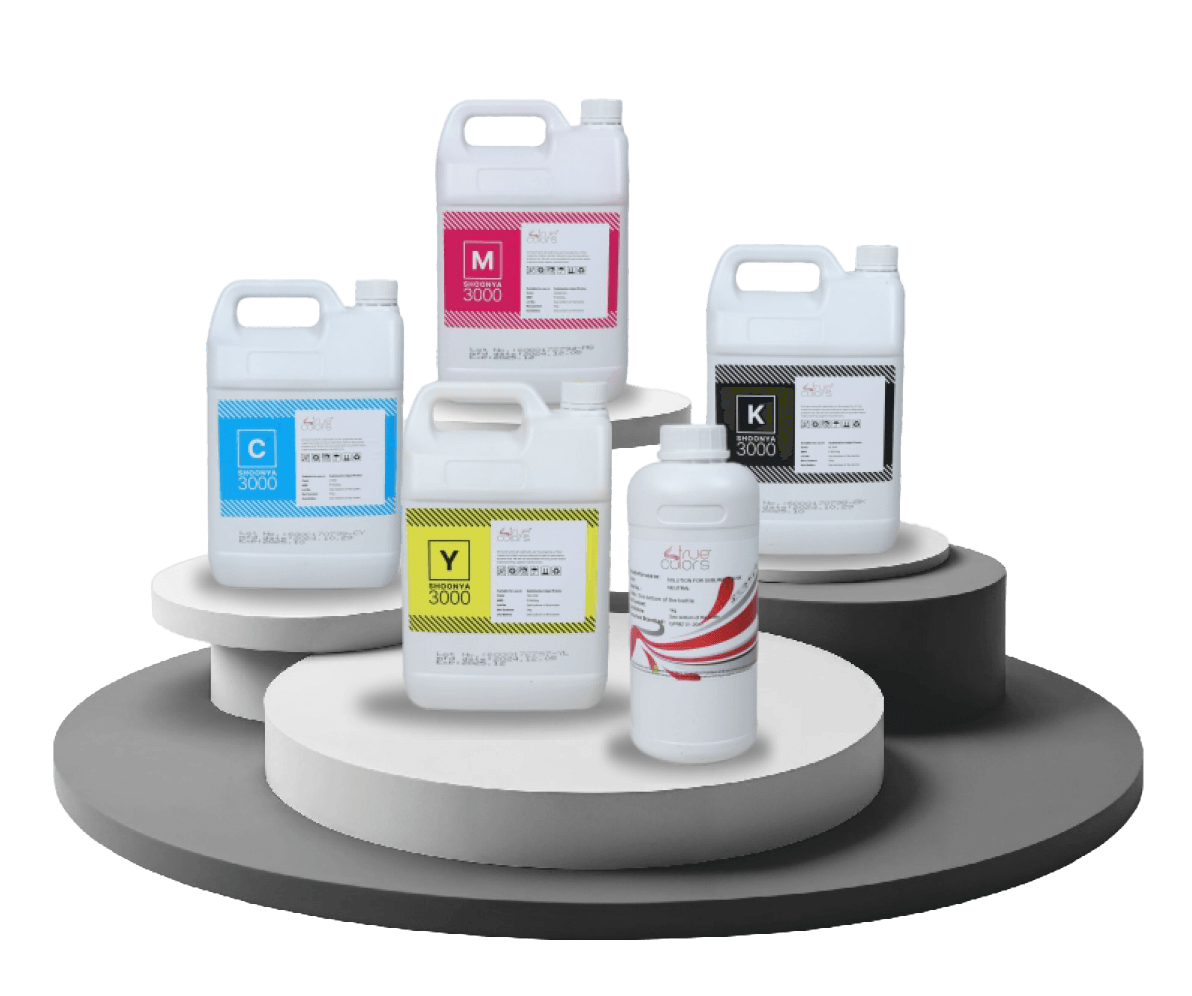
Digital textile printing uses precise inkjet technology, where designs are printed directly onto fabric with controlled ink deposition. This improves accuracy and reduces human error in the process.
As a result, businesses achieve:
- High-resolution prints with fine detailing
- Better color consistency across batches
- Controlled ink usage and reduced variation
This level of precision is difficult to achieve with traditional methods, especially at scale.
Reduced Wastage and Efficient Production
Another major advantage of digital printing is reduced wastage. Traditional printing involves trial runs, screen preparation, and excess material usage.
In contrast, digital systems operate with a more controlled workflow, which leads to:
- Lower material wastage
- Reduced water consumption
- Faster turnaround time
This improves both cost efficiency and production speed.
Skilled Workforce and Industry Experience
Surat has a highly experienced workforce that understands textile processes in depth. This makes the transition to digital printing smoother.
Operators can quickly adapt to new machines and technologies, which helps businesses maintain productivity while upgrading their systems.
Cost Advantage and Scalability
Compared to other textile hubs, Surat offers a cost-effective environment for manufacturing. Lower operational costs and easy access to raw materials make it an ideal location for expansion.
With Surat digital textile printing, businesses can scale production without heavy investment in additional infrastructure.
Future Growth Potential
As technology continues to evolve, digital textile printing will play a major role in shaping the future of the textile industry. Surat is already leading this transformation by rapidly adopting modern solutions.
The shift is not just about speed — it is about building a more flexible, efficient, and responsive production system.
Conclusion
Surat’s strong infrastructure, skilled workforce, and growing adoption of advanced printing technology are driving its rise as a digital textile printing hub.
As more businesses move towards digital systems, Surat digital textile printing is set to become a key driver of textile innovation and large-scale production in India.