Sometimes Machines Don’t Stop — They Slowly Start Falling Behind
In textile manufacturing, machine problems rarely appear dramatically.
Most of the time, production continues. Orders keep moving. Operators adjust settings and find temporary workarounds. On the surface, everything seems operational.
But gradually, small inefficiencies begin appearing.
A batch takes slightly longer than usual. Color consistency starts fluctuating. Sampling cycles become difficult to manage. Maintenance requests become more frequent.
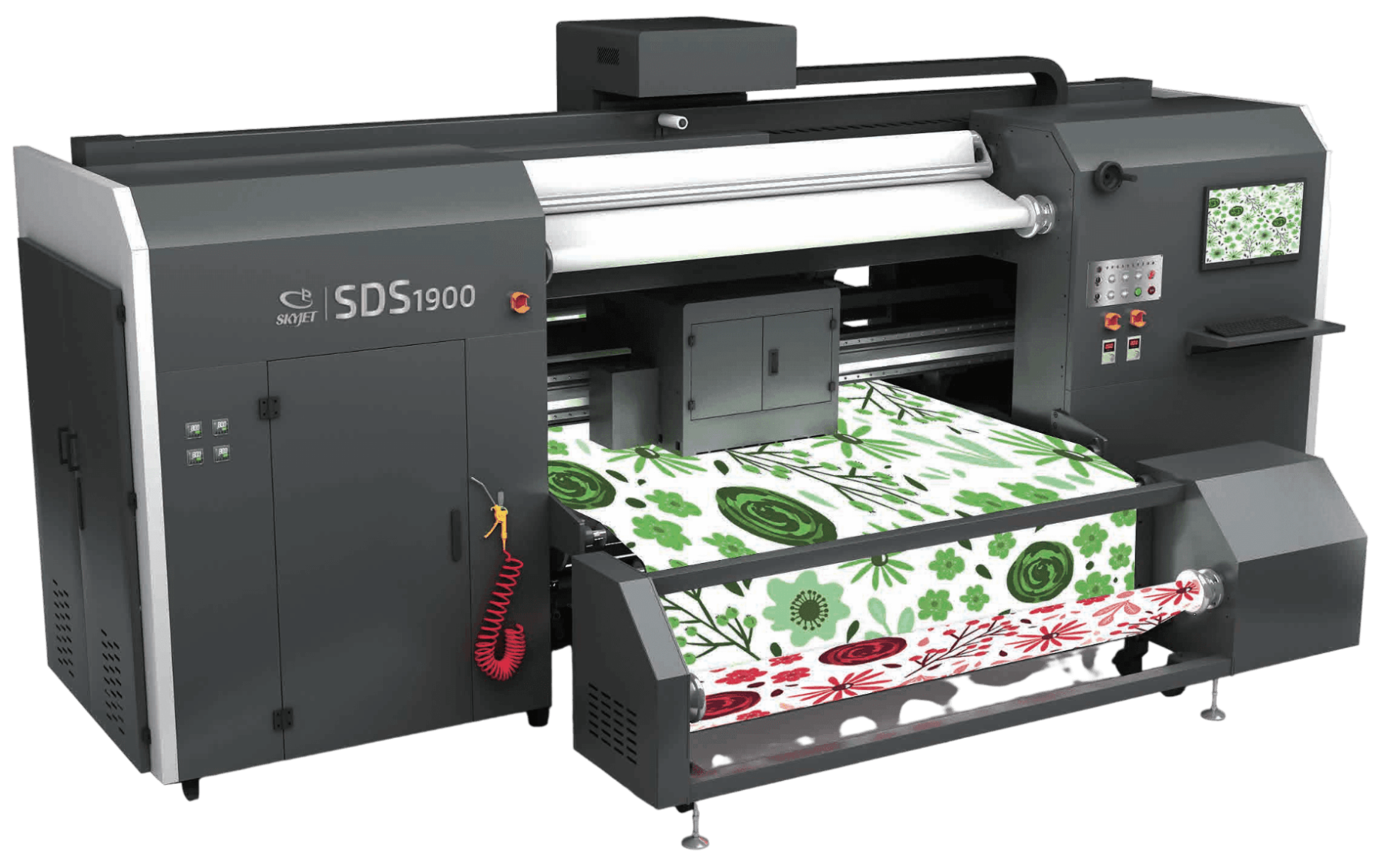
These signs often indicate that the issue is not production management anymore — it may be time to evaluate whether the current digital textile printing machine is still supporting business growth.
When Downtime Starts Becoming Part of Daily Production
Every factory expects occasional maintenance.
However, there is a difference between planned maintenance and repeated production interruption.
If operators regularly stop production for calibration, troubleshooting, or unexpected adjustments, the machine may already be creating hidden operational losses.
Downtime affects much more than output. It changes scheduling, increases pressure on teams, and reduces overall production predictability.
When Quality Looks Different Across Similar Jobs
One of the earliest indicators of an aging system appears in output consistency.
The design file remains the same.
The fabric remains the same.
But somehow the result looks different.
Colors start shifting slightly between batches. Fine detailing becomes harder to maintain. Repeat production no longer feels predictable.
Modern buyers expect stronger repeatability than before, and older systems often struggle to maintain that consistency over long production cycles.
When Production Demand Starts Moving Faster Than Your Workflow
Textile markets are changing quickly.
Shorter runs, faster approvals, rapid sampling, and frequent design updates have become normal production expectations.
Machines built for older workflows sometimes create bottlenecks because they were designed for a different production environment.
When production teams start adjusting schedules around machine limitations, that usually signals a larger operational gap.
When Operating Costs Quietly Keep Increasing
Machine upgrades are often delayed to avoid investment.
Ironically, older systems sometimes become more expensive over time.
Extra maintenance, unstable output, repeated calibration, increased material usage, and slower workflows create costs that are difficult to notice day-to-day.
However, over months of production, these losses become significant.
When Your Production Goals Have Already Changed
Many textile businesses purchase equipment based on current requirements.
But production rarely stays the same.
Customer expectations evolve. Product categories expand. Output expectations increase.
At some point, the machine that once supported growth may begin limiting it.
That does not always mean the machine has failed.
Sometimes it simply means the business has evolved faster than the equipment.
Choosing the Right Upgrade Matters More Than Upgrading Fast
Upgrading a digital textile printing machine is not only about buying newer technology.
It is about understanding:
- production goals,
- application requirements,
- workflow expectations,
- and long-term scalability.
The right machine should improve production without creating complexity.
How True Colors Supports the Transition
As textile printing continues evolving, selecting the right technology becomes increasingly important.
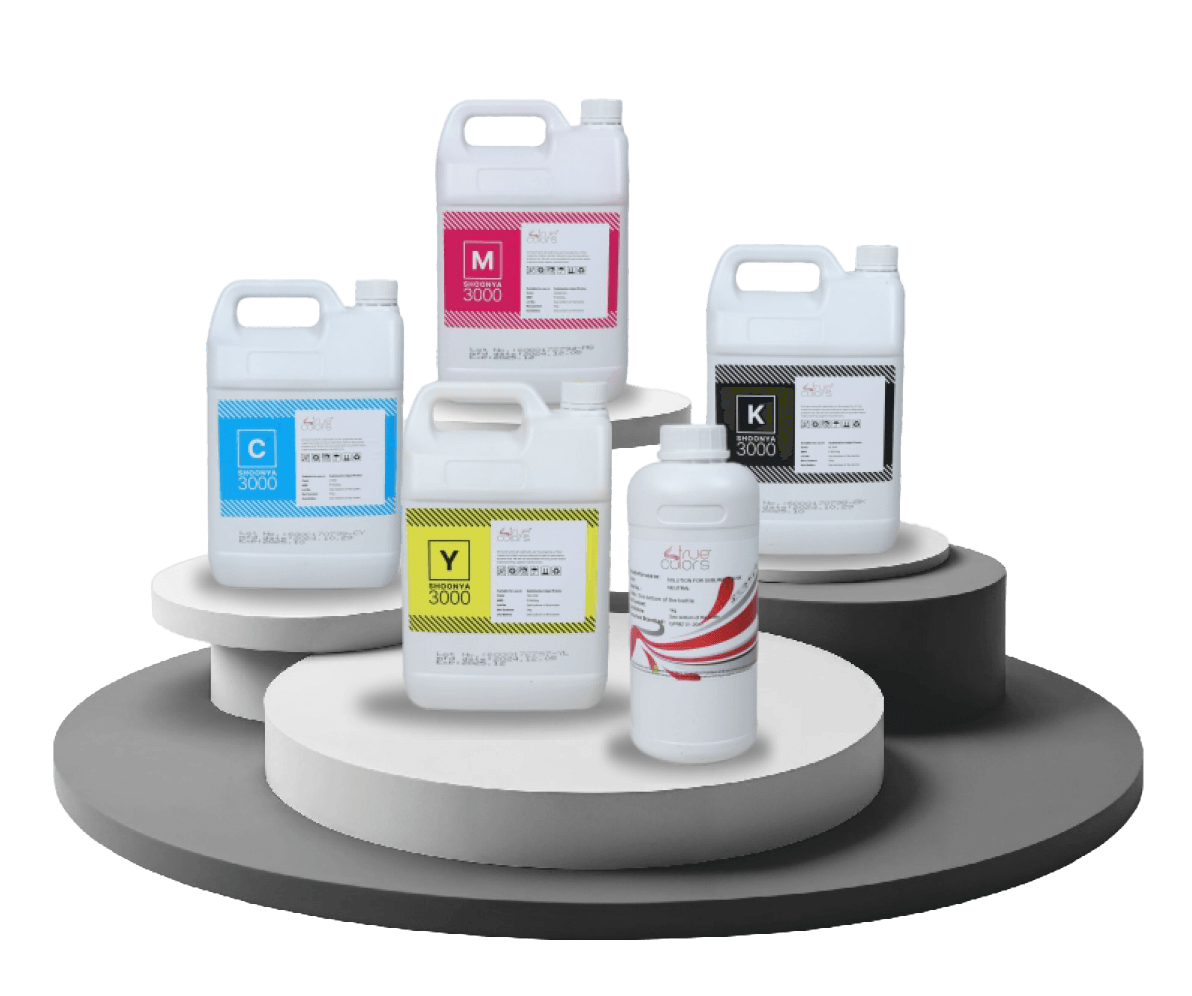
True Colors focuses not only on supplying advanced digital textile printing solutions but also on helping printers build a more complete production ecosystem through technology understanding, compatible consumables, and technical support.
From printing systems to inks, sublimation paper, and operational guidance, the goal is to help textile businesses move toward more stable, scalable, and future-ready production.
Conclusion
A machine upgrade should never happen simply because equipment becomes old.
The better question is whether your current setup still supports the way your business wants to grow.
Recognizing these early signs helps textile businesses make smarter decisions before production limitations start affecting long-term performance.