Scaling Fabric Printing Requires More Than Adding Capacity
For many fabric manufacturers, growth is usually seen as a question of production volume. More orders come in, customer expectations increase, and the first thought is often to add more printing capacity.
However, scaling in modern textile manufacturing is not only about printing more meters per day.
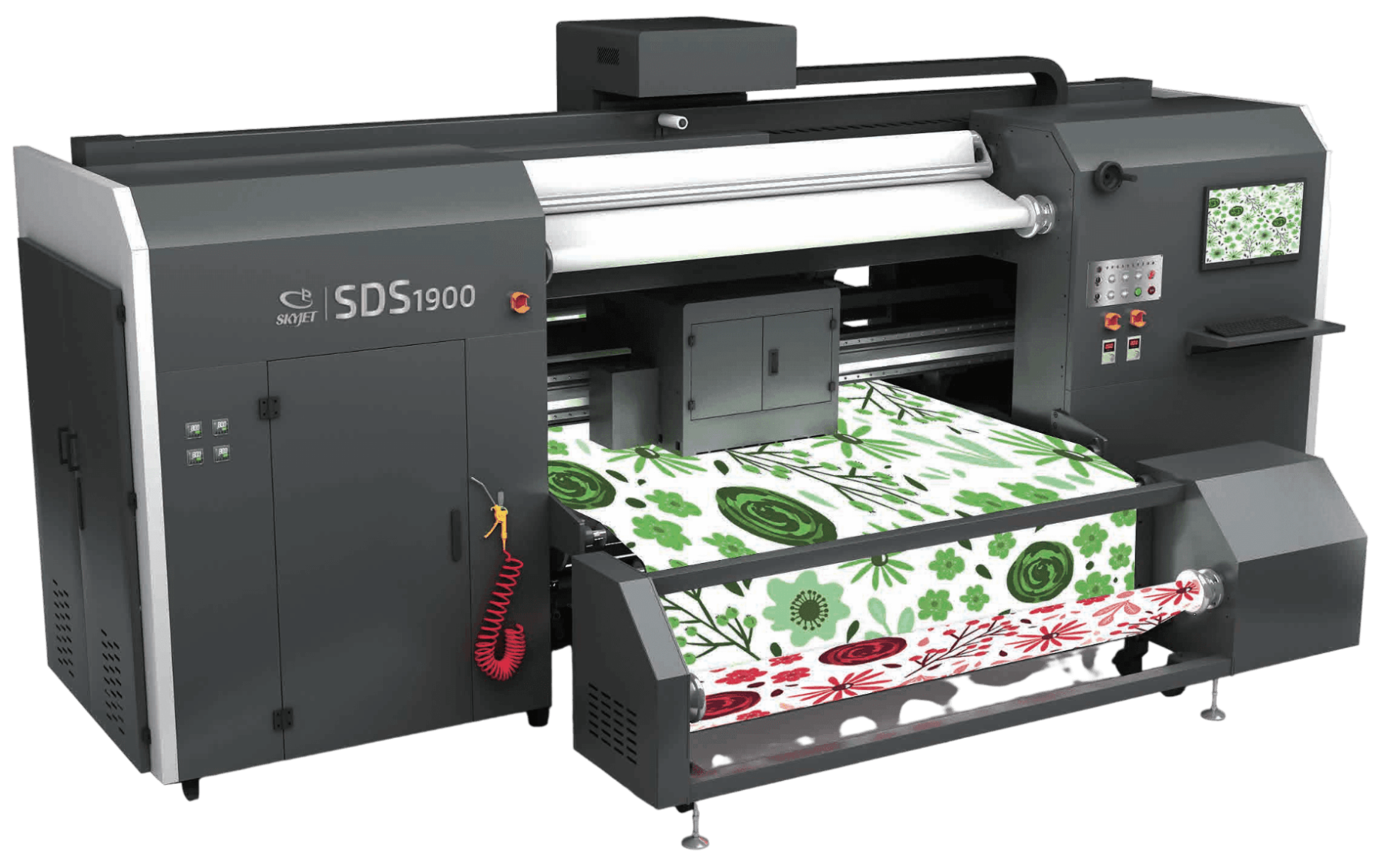
Today, manufacturers need to manage shorter order cycles, faster sampling, design variety, export quality requirements, and consistent output across different fabric types. This is where digital textile printing becomes an important growth tool for fabric manufacturers.
Unlike traditional printing methods, digital textile printing gives manufacturers the flexibility to print multiple designs, shorter runs, customized patterns, and high-detail artwork with better control over production timelines.
But before scaling with digital printing, manufacturers must understand whether their complete production ecosystem is ready.
A digital printing setup does not depend only on the machine. It depends on the right combination of machine, ink, fabric, sublimation paper, workflow, operator knowledge, and service support.
Is Your Production Workflow Ready for Digital Printing?
One of the first things fabric manufacturers should evaluate is their existing production workflow.
Many businesses invest in digital textile printing machines without checking whether their factory process can support continuous digital production. As a result, they may face issues related to file preparation, fabric handling, ink usage, drying, transfer quality, or post-printing consistency.
Before scaling, manufacturers should ask:
Can the current team handle digital print files?
Is the fabric preparation process standardized?
Can the production floor manage multiple short-run orders?
Is there enough control over temperature and humidity?
Is the finishing process aligned with digital print output?
Digital textile printing works best when the workflow is planned properly from design to final fabric.
Why Fabric Type and Ink Selection Matter While Scaling
Every fabric behaves differently during digital printing.
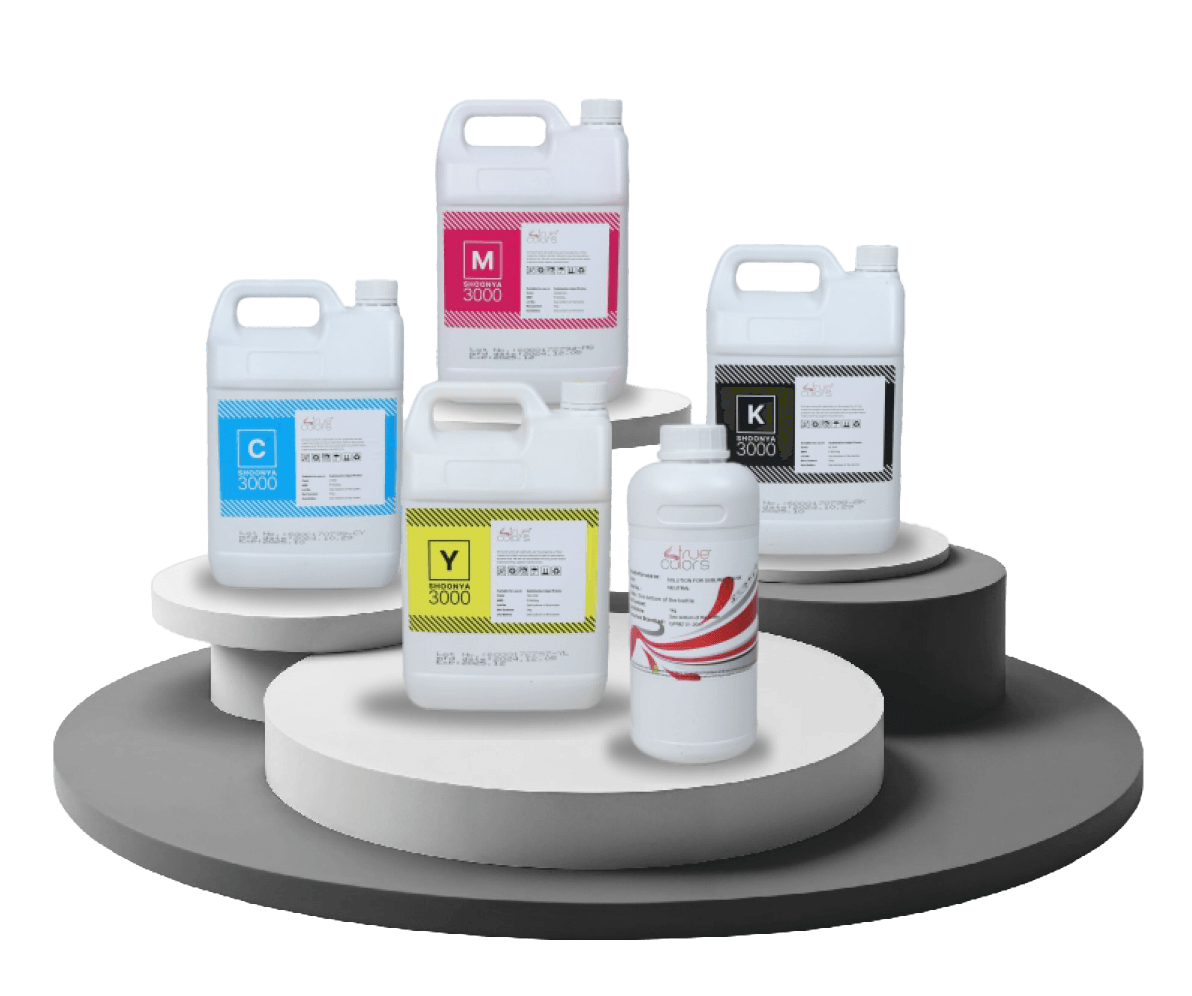
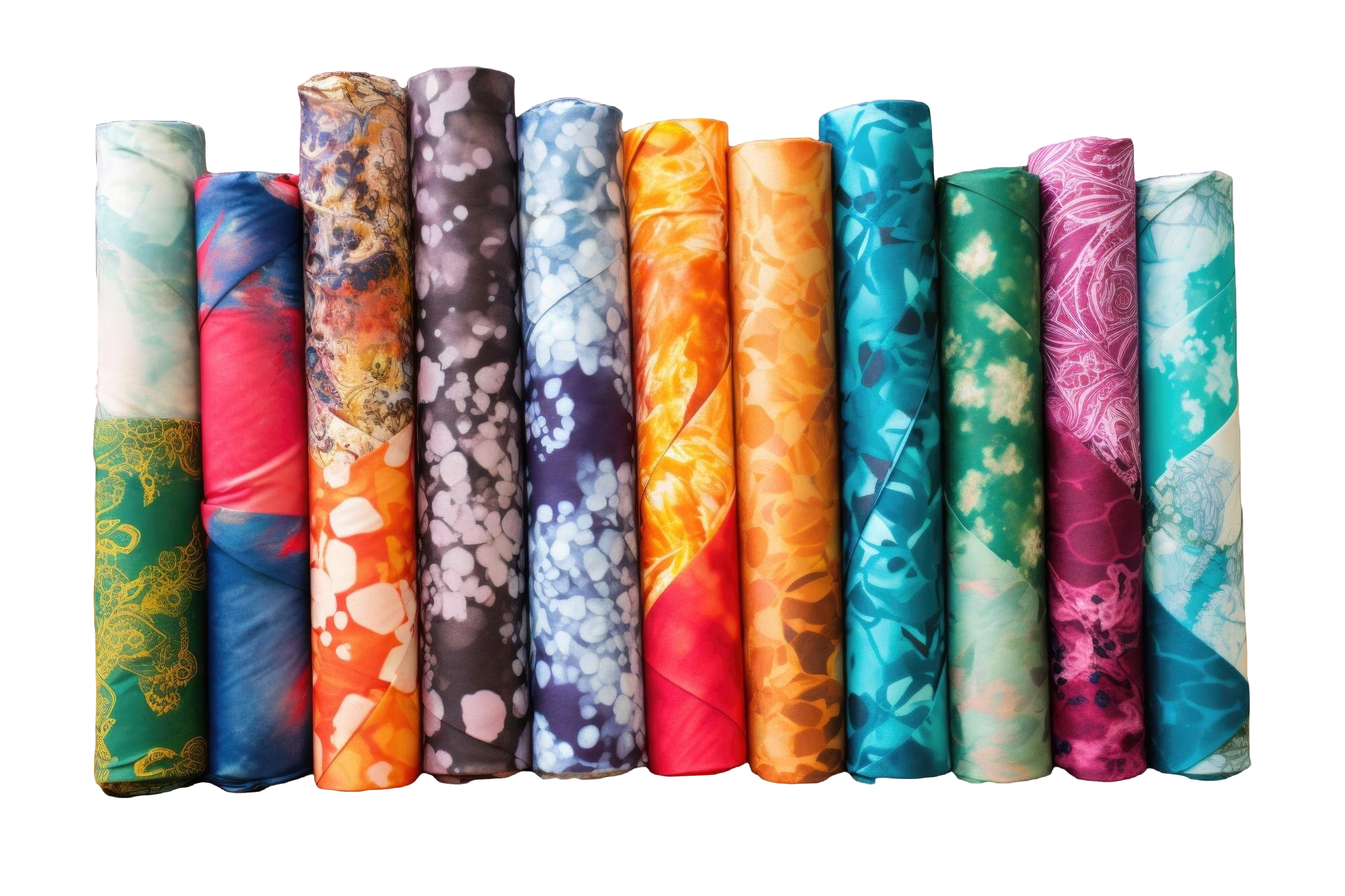
Polyester, cotton, viscose, silk, blends, and other textile materials may require different printing approaches. Similarly, ink selection also plays a major role in final output.
If the ink and fabric are not compatible, manufacturers may face problems such as dull color output, poor sharpness, uneven absorption, shade variation, weak wash performance, and higher rejection rates.
This is why fabric manufacturers should not view digital textile printing as a machine-only investment. The ink system, fabric behavior, and production requirement must work together.
When these elements are aligned, digital printing becomes more stable, predictable, and scalable.
How Digital Printing Supports Faster Sampling and Design Flexibility
One of the biggest advantages of digital textile printing for fabric manufacturers is faster sampling.
In traditional printing, preparing screens, adjusting designs, and approving samples can take more time. Digital printing allows manufacturers to create multiple designs, colorways, and variations faster.
This is useful for fashion brands, export houses, home textile manufacturers, boutique labels, design studios, and custom fabric buyers.
Instead of producing large quantities before testing market demand, manufacturers can print limited runs, check customer response, and then scale production based on actual orders.
This flexibility is becoming more important as textile markets move toward smaller collections, quicker launches, and more personalized designs.
Production Consistency Becomes Critical During Scaling
Scaling digital textile printing is not only about increasing machine speed. It is about maintaining the same quality across longer production runs.
When orders grow, even small inconsistencies can create major losses.
Manufacturers need to ensure stable color accuracy, print sharpness, fabric movement, ink flow, transfer results, and repeat alignment.
A machine may perform well during sampling, but bulk production creates a different level of pressure. Long production hours, multiple operators, fabric roll changes, and environmental variations can affect final output.
That is why manufacturers should focus on systems that support long-term stability and not just attractive technical specifications.
Conclusion
Digital textile printing gives fabric manufacturers a powerful way to scale with more flexibility, faster sampling, and better design control. But successful scaling requires more than simply installing a new machine.
Manufacturers need to evaluate their workflow, fabric requirements, ink compatibility, consumable quality, operator readiness, and after-sales support before expanding production.
This is where True Colors brings a stronger advantage for fabric manufacturers. True Colors is not limited to supplying digital textile printing machines. The brand offers a complete digital printing ecosystem that includes digital textile printing machines, True Colors Sublimation Paper, fabrics, and Inkia by True Colors inks.
With this integrated approach, manufacturers can work with solutions designed to support each other across production stages. Backed by TRUE TEAM, the after-sales service strength of True Colors, the focus goes beyond installation. It is about helping fabric manufacturers build stable, scalable, and future-ready production operations.