Humidity Can Quietly Affect Print Quality
In digital textile printing, most production teams focus on machine speed, ink quality, fabric type, and color output. These are important factors, but one silent factor often gets ignored inside printing units — humidity.
Humidity in digital textile printing can directly affect ink behavior, fabric condition, drying time, transfer quality, and printhead performance.
A factory may use a good machine and quality ink, but if the production environment is unstable, print results may still vary from batch to batch.
This is why serious textile manufacturers must look at environmental control as part of their printing process.
Why Humidity Matters in Digital Printing
Digital textile printing depends on controlled ink flow and accurate ink placement.
When humidity is too low, ink can dry faster than required. This may increase the chances of nozzle drying, printhead issues, and uneven ink performance. When humidity is too high, fabric and paper may absorb moisture from the air, which can affect transfer quality, print sharpness, and drying behavior.
Both conditions can create production problems.
Common issues caused by poor humidity control include:
nozzle clogging,
shade variation,
paper curling,
fabric moisture imbalance,
slow drying,
uneven transfer,
and print defects.
These issues may look small initially, but during bulk production they can lead to wastage, reprinting, delays, and customer complaints.
How Humidity Affects Ink Flow and Printheads
Printheads are sensitive components in a digital textile printing machine. They need stable ink movement and proper working conditions.
If the environment is too dry, ink may dry near the nozzle surface. This can disturb droplet formation and create missing lines or uneven output.
If the environment has too much moisture, it may affect the way ink settles on fabric or transfer paper.
For long production runs, stable humidity helps maintain better ink flow, smoother printing, and more predictable output.
Manufacturers should not depend only on machine cleaning to avoid printhead issues. The production environment also needs to be managed.
Fabric and Paper Also React to Humidity
Humidity does not affect only ink. It also affects fabric and sublimation paper.
Fabric can absorb moisture from the air, especially in humid regions or during monsoon conditions. This can affect fabric movement, print sharpness, drying, and final color output.
Similarly, sublimation paper can curl or behave unevenly if it absorbs moisture. In transfer printing, this can impact transfer consistency and lead to defects.
That is why storage conditions are important for both fabric and sublimation paper.
A well-managed printing unit should maintain proper storage, controlled handling, and stable room conditions before production begins.
How Manufacturers Can Control Humidity Issues
Manufacturers can reduce humidity-related problems by following a few practical steps.
They should maintain stable temperature and humidity in the printing area, store inks and sublimation paper properly, avoid keeping fabric rolls exposed for long periods, and monitor seasonal changes inside the factory.
Regular machine maintenance, nozzle checks, and controlled production practices also help reduce avoidable defects.
Most importantly, operators should be trained to identify whether a print problem is machine-related, ink-related, material-related, or environment-related.
This helps solve issues faster and reduces unnecessary downtime.
Conclusion
Humidity may not always be visible, but it can strongly influence digital textile printing quality. From ink flow and printhead performance to fabric behavior and sublimation paper stability, environmental control plays an important role in daily production.
Manufacturers who control humidity better are usually able to achieve more consistent print results, fewer defects, and smoother production.
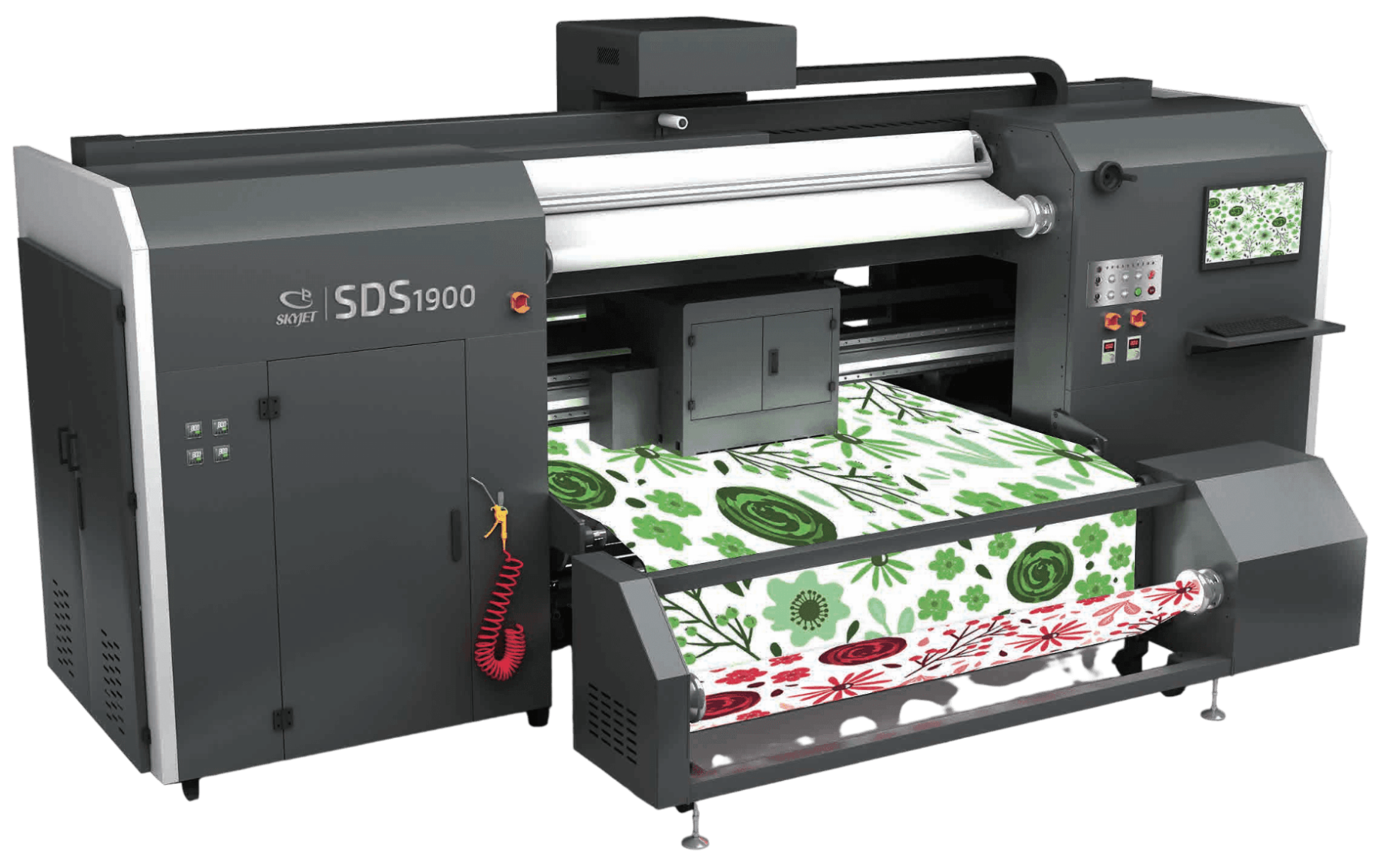
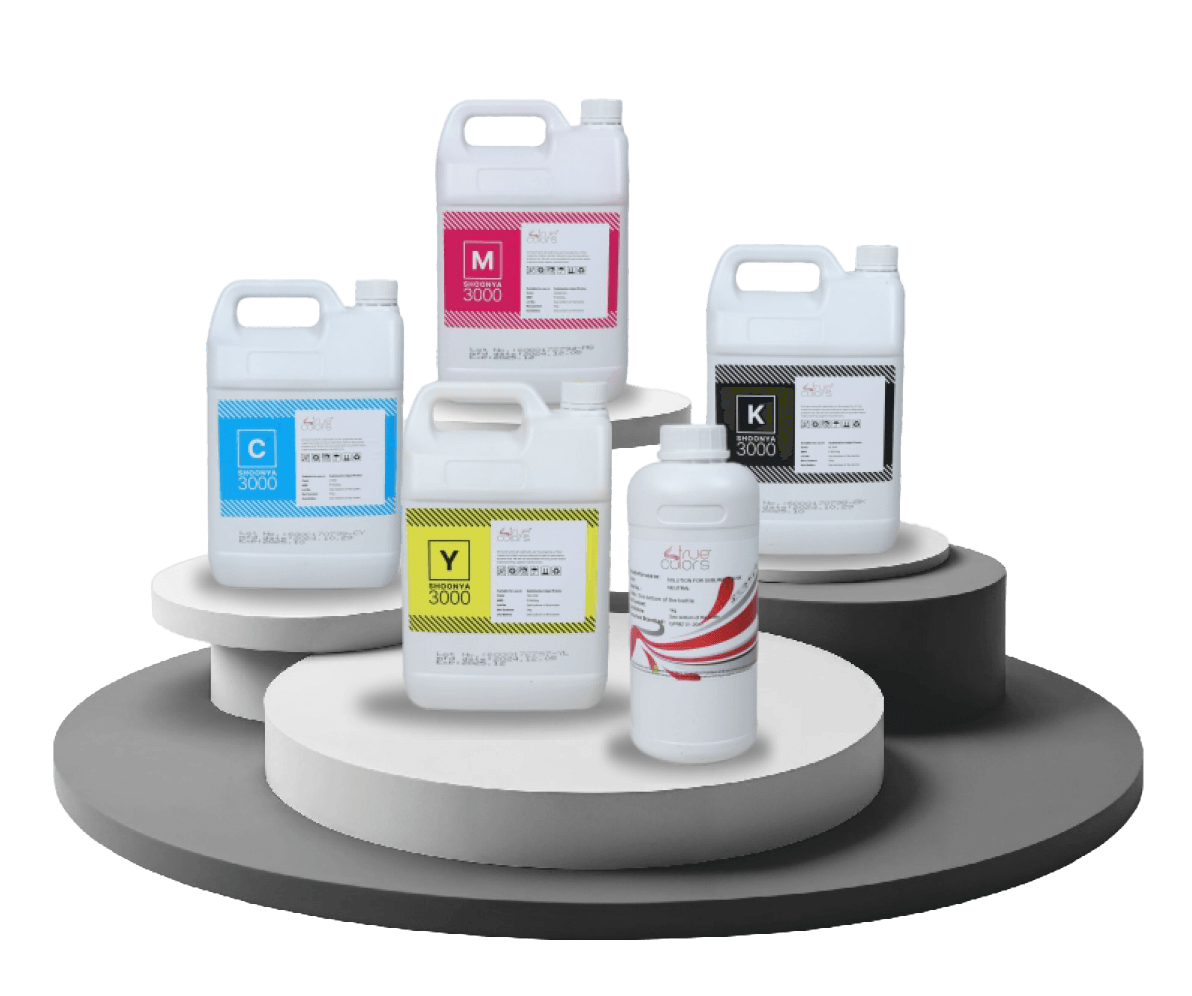
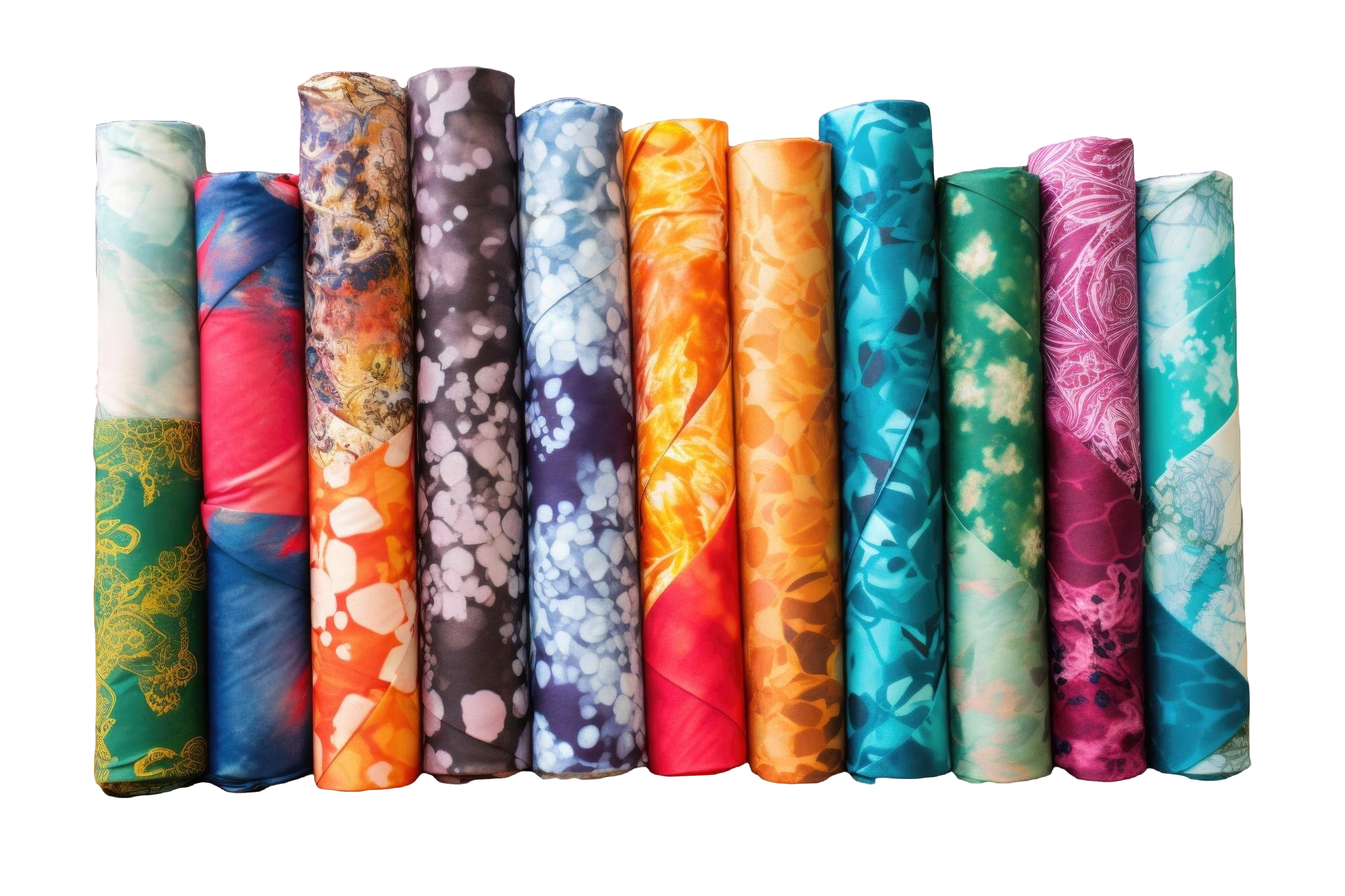
At True Colors, the approach to digital printing is built around the complete production ecosystem. Along with digital textile printing machines, True Colors offers Inkia by True Colors inks, True Colors Sublimation Paper, fabrics, and technical support that helps printers understand how different production factors work together.
With TRUE TEAM’s after-sales and technical support, manufacturers get guidance not only for machines, but also for improving overall production stability. This makes True Colors a reliable partner for businesses that want quality, consistency, and confidence in digital fabric printing.