Print Cost Is More Than Ink Consumption
Many textile printers calculate production cost by looking mainly at ink consumption and fabric cost. This gives an incomplete picture.
Real digital textile printing cost calculation should include every factor that affects production output, quality, wastage, and delivery.
A job that looks profitable on paper may become expensive if there is repeated sampling, high rejection, slow production speed, machine downtime, or poor material compatibility.
For textile manufacturers, understanding real production cost is important for pricing, planning, and long-term profitability.
Machine Time Has a Cost
Every hour of machine operation has a value. When a machine is used for printing, sampling, cleaning, reprinting, or waiting due to avoidable delays, it affects the overall cost of production.
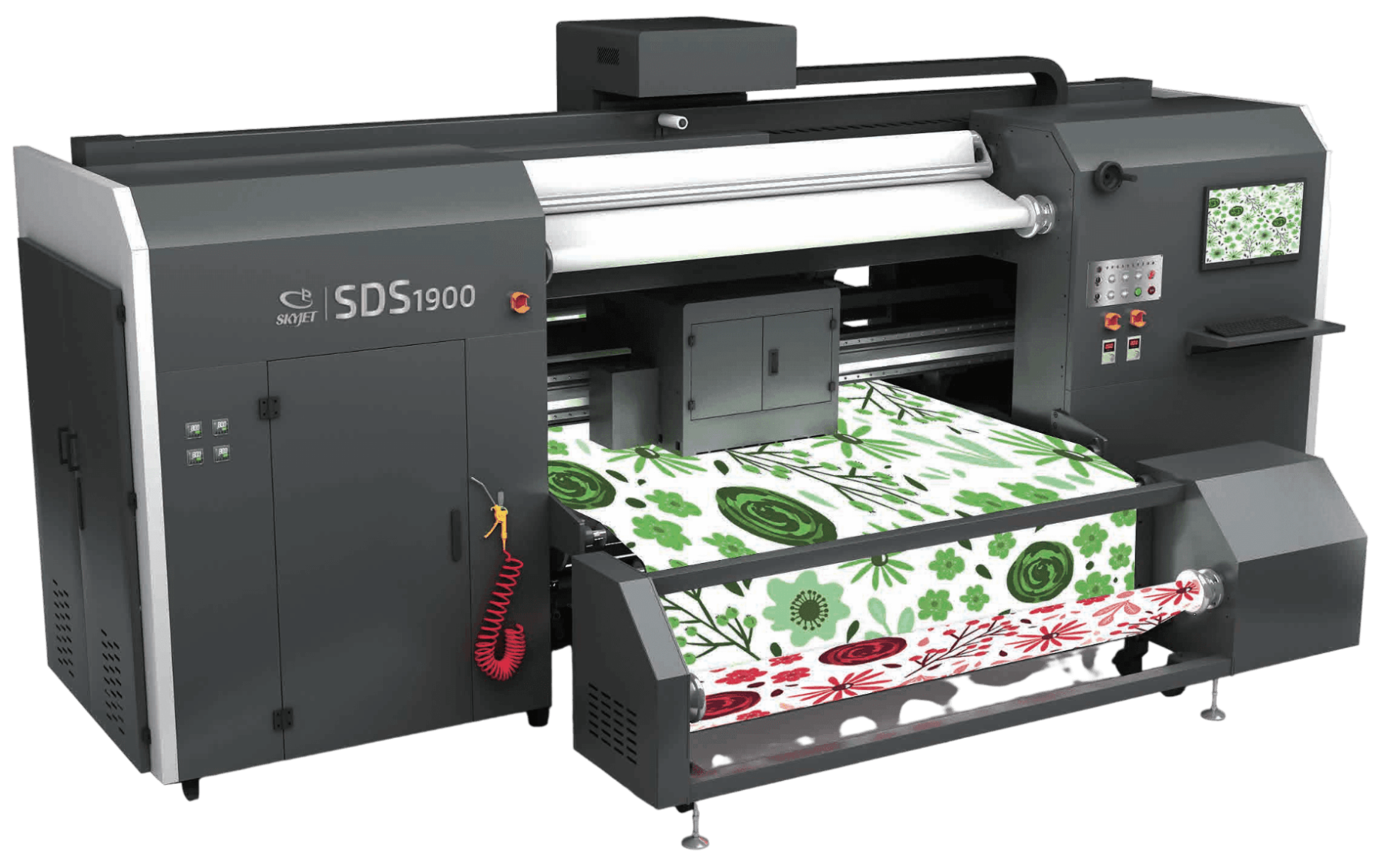
A high-speed digital textile printing machine may reduce cost per meter when it runs efficiently. However, speed alone does not guarantee lower cost if the workflow is unstable.
Manufacturers should consider how much usable output the machine produces in a day, not only the maximum speed mentioned in specifications.
Actual productivity depends on design changes, fabric loading, ink behavior, operator skill, maintenance routine, and order planning.
Consumables Influence Final Cost
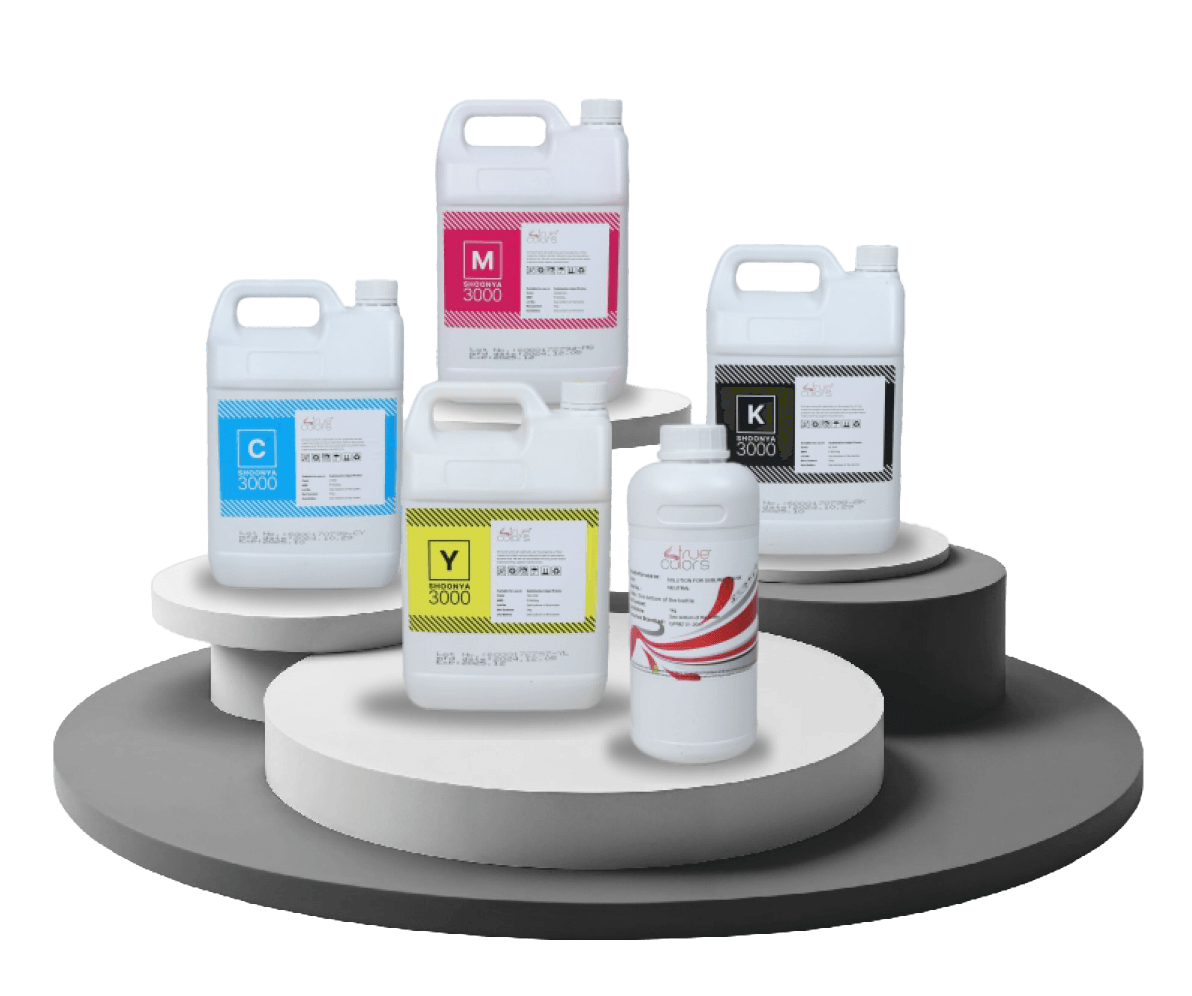
Ink, sublimation paper, fabric, pre-treatment chemicals, finishing inputs, and packaging all influence production cost.
Poor-quality consumables can increase hidden expenses. For example, low-cost paper may lead to transfer defects, unstable ink may increase cleaning cycles, and unsuitable fabric may create more rejection.
When manufacturers calculate cost, they should consider how consumables perform during real production.
The cheapest input is not always the most cost-effective input. A slightly better consumable can sometimes reduce reprinting, wastage, downtime, and customer complaints.
Wastage Changes the True Cost Per Meter
Fabric wastage can completely change cost calculation.
If a job requires extra printing because of shade variation, file errors, fabric movement, nozzle issues, or transfer defects, the final cost per meter increases.
Many manufacturers forget to include rejection percentage while pricing a job. This creates pressure later when actual production losses appear.
A realistic cost calculation should include expected wastage based on fabric type, design complexity, production method, and operator experience.
Reducing wastage is one of the most effective ways to improve profitability in digital textile printing.
Service and Maintenance Should Be Included
Maintenance is often treated as a separate expense, but it directly affects production cost.
Machines that are not maintained properly may consume more time, create more defects, and face more downtime. Spare parts, technical service, cleaning materials, and preventive maintenance should be considered as part of the real cost structure.
A strong service system can reduce emergency breakdowns and improve machine availability. This makes the overall production cost more predictable.
Conclusion
Digital textile printing cost calculation should go beyond ink and fabric. Real cost includes machine time, consumables, wastage, labor, maintenance, downtime, sampling, and production efficiency.
For textile businesses, better cost understanding leads to better pricing and healthier margins.
True Colors can support manufacturers in this area because its offering is not limited to one part of the production chain. With digital textile printing machines, Inkia by True Colors inks, True Colors Sublimation Paper, fabrics, and service support, businesses can evaluate cost through an integrated production lens.
Instead of calculating each input separately without understanding its production impact, manufacturers can work with True Colors to build a more stable and predictable printing ecosystem. This helps improve not only output quality but also cost control across daily operations.