Limited Edition Collections Need Flexible Production
Textile and fashion brands are increasingly using limited edition collections to create exclusivity and market excitement. These collections may be seasonal, festive, influencer-led, region-specific, or trend-based.
Traditional production methods may not always be practical for such collections because quantities are smaller and design changes are frequent.
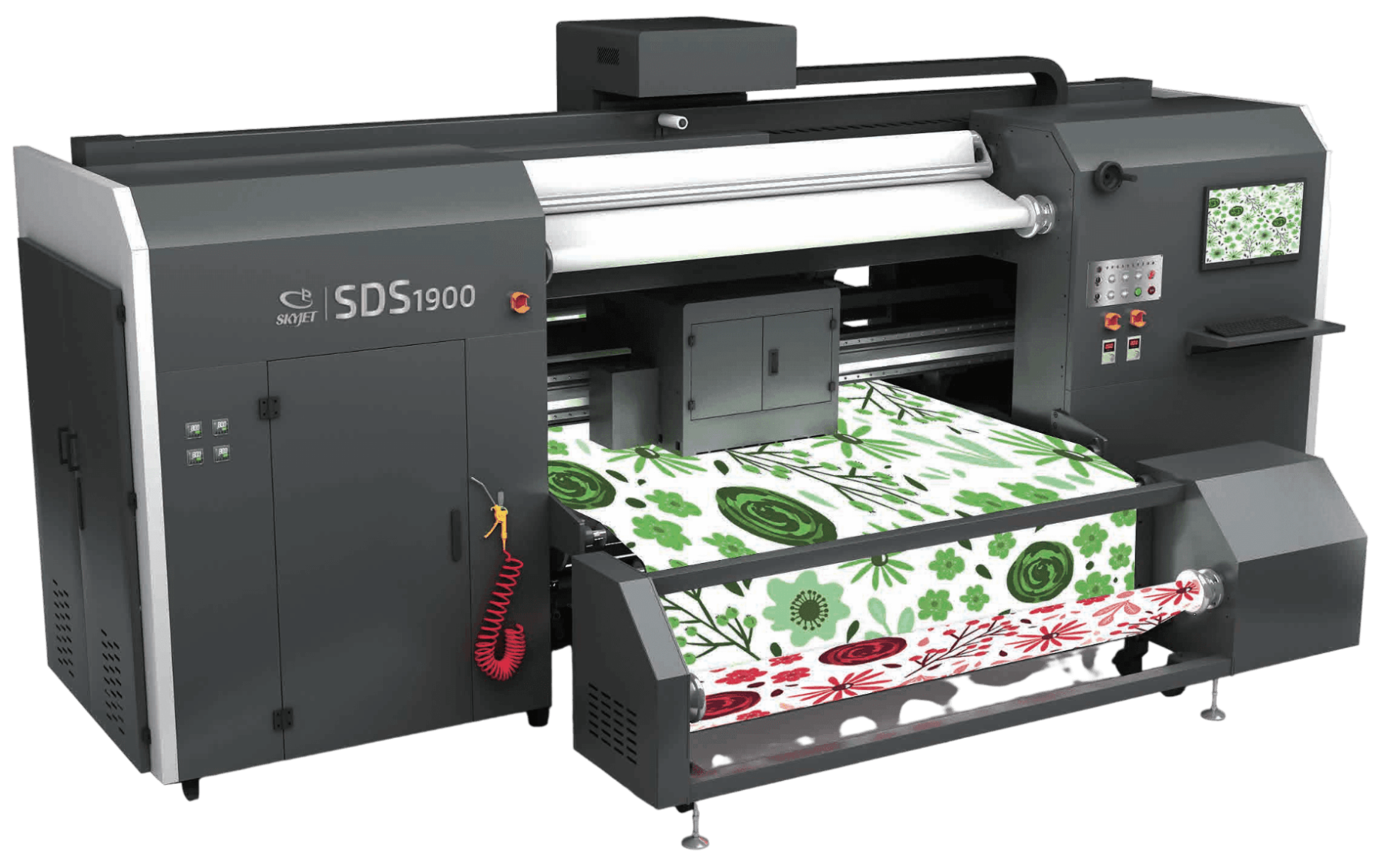
Digital printing for limited edition textiles gives brands the flexibility to launch unique designs without committing to very large production volumes.
This makes it easier to test ideas, create urgency, and respond to changing customer preferences.
Small Runs Can Create Bigger Brand Value
Limited edition collections often work because they feel special.
Customers may respond better when a design is available only for a short time or in limited quantity. This approach can help brands build stronger engagement and reduce dependence on mass production.
Digital textile printing supports this model because it allows smaller runs with high design variety.
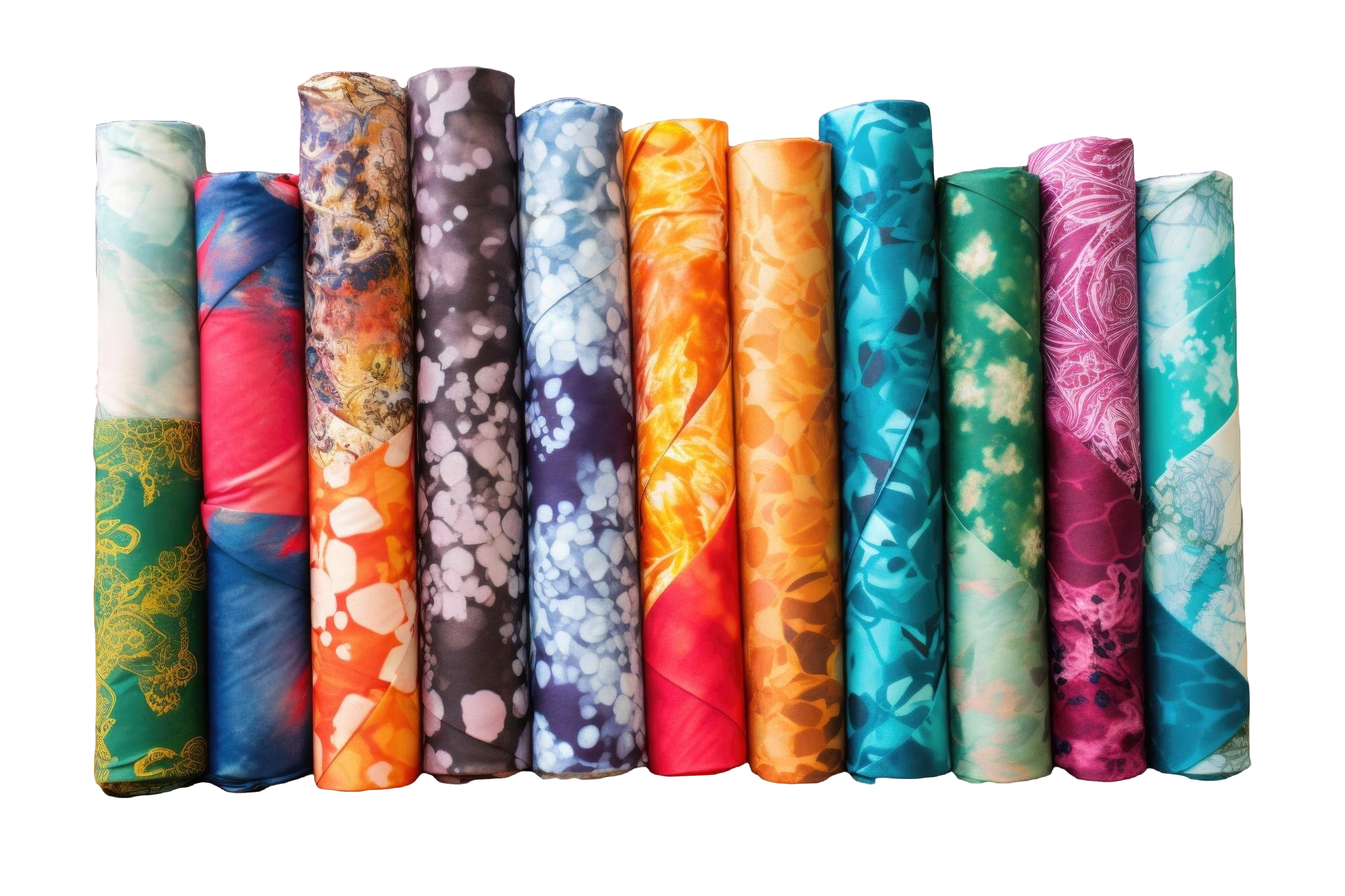
Brands can create capsule collections, festive prints, designer collaborations, custom drops, and exclusive fabric ranges with more control over production quantity.
Faster Design Testing Reduces Risk
Every new design carries risk. A print may look strong in concept but may not perform well in the market.
With digital printing, brands can test limited quantities before committing to larger production.
If a design performs well, it can be repeated. If it does not, the brand avoids large unsold inventory.
This is especially useful for fashion labels, home textile brands, online sellers, and boutique businesses that need to stay fresh without overproducing.
Customization Makes Collections More Attractive
Limited edition textiles can become more powerful when combined with customization.
Brands can create personalized prints, regional designs, special themes, or exclusive patterns for specific customer groups.
Digital printing makes such customization easier because the artwork can be changed digitally without long setup processes.
This helps brands create more meaningful product stories and stronger customer connection.
Quality Still Defines the Collection
A limited edition collection may be small in quantity, but it still needs high-quality production.
Print sharpness, color consistency, fabric feel, finishing, and durability all affect how customers experience the product.
Brands should work with production partners who understand both creativity and technical execution.
The success of a limited edition textile collection depends on how well the design idea is converted into finished fabric.
Conclusion
Digital printing for limited edition textiles helps brands create exclusive collections, test new ideas, reduce inventory risk, and build stronger customer engagement. It gives textile brands the freedom to launch more creative products without being restricted by large production commitments.
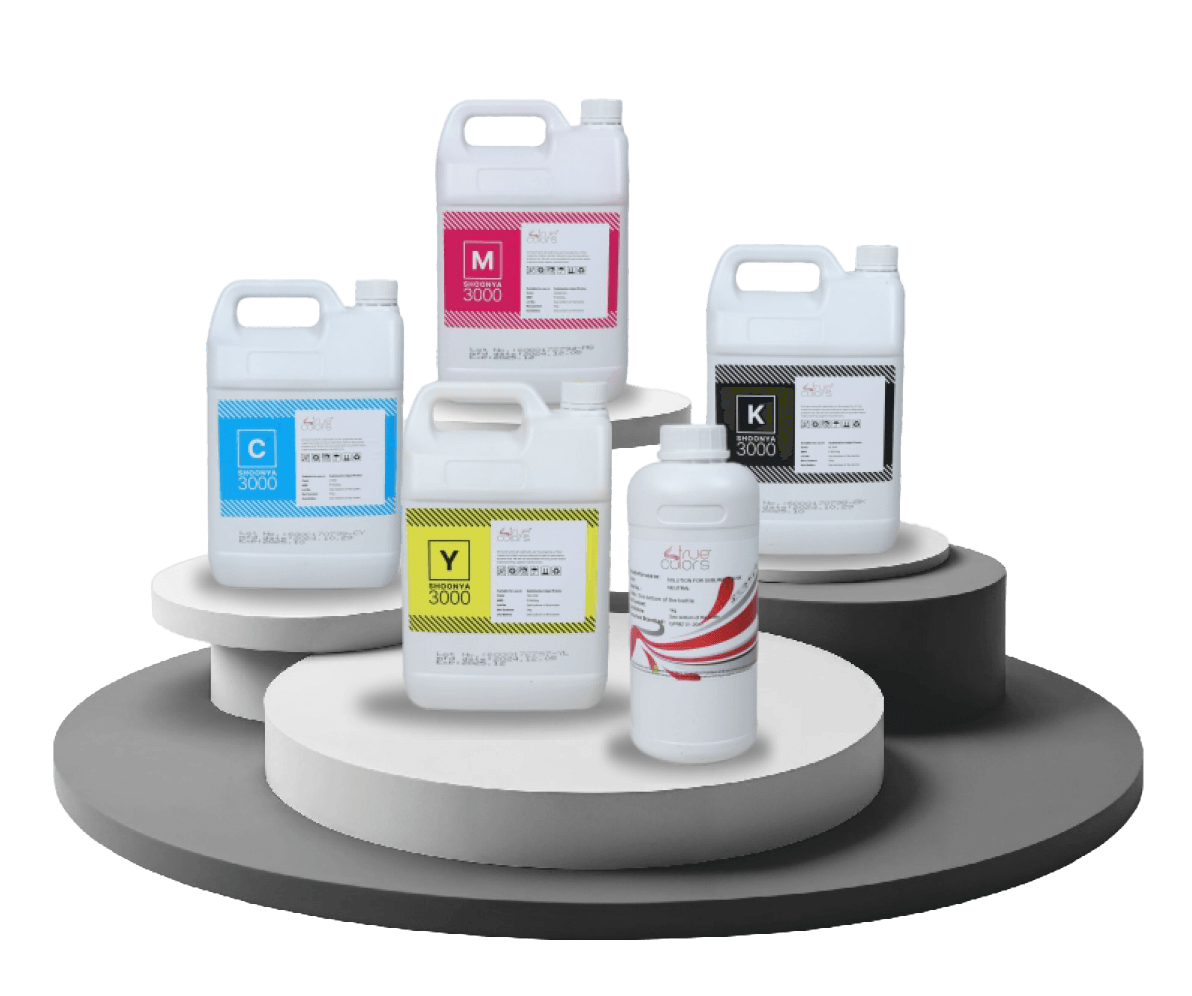
True Colors can support such collections by offering more than production capacity. Its ecosystem of digital printing machines, fabrics, Inkia by True Colors inks, True Colors Sublimation Paper, and technical expertise can help brands convert creative concepts into production-ready textile outputs.
For limited edition collections, where every design needs to feel intentional and well-executed, True Colors brings the balance of flexibility, quality understanding, and production support that modern textile brands need.