DTF Printing Is Creating New Opportunities in Textile Production
Textile businesses are constantly looking for printing methods that can support faster production, custom designs, smaller quantities, and more product variety. This is where DTF printing for textile business owners has become an important topic.
DTF, or Direct to Film printing, is used for transferring printed designs onto garments and textile products. It allows businesses to print designs on a film and then transfer them to fabric using heat and adhesive powder. This method is especially useful for custom apparel, merchandise, fashion drops, uniforms, promotional clothing, and small batch garment production.
For textile businesses that want to expand beyond fabric printing into garment decoration, DTF printing can offer a practical and flexible production route.
Why Textile Businesses Are Exploring DTF Printing
One of the biggest reasons businesses explore DTF printing is flexibility. It can support customized designs, short runs, and repeat orders without requiring large setup changes.
Fashion brands, uniform suppliers, merchandise companies, e-commerce sellers, and boutique garment businesses often need quick turnaround for printed apparel. DTF printing helps serve these needs because artwork can be changed digitally and transferred to different garment styles.
This makes it suitable for businesses that want to offer personalization, limited collections, or on-demand garment printing.
DTF Printing Supports Custom Apparel
Custom apparel has become a strong opportunity in the textile market. Customers now look for personalized t-shirts, hoodies, uniforms, event merchandise, teamwear, and brand merchandise.
DTF printing allows textile businesses to produce such items with design flexibility. It can support detailed artwork, vibrant prints, and smaller quantities, which makes it useful for both retail and B2B applications.
For businesses entering custom garment printing, DTF technology can help reduce dependency on large minimum order quantities and allow more design experimentation.
Production Quality Still Depends on Process Control
Although DTF printing is flexible, final quality depends on the complete process. The film quality, ink performance, powder application, curing, heat press settings, fabric type, and operator handling all influence the final print.
If any part of the process is not controlled properly, the business may face issues like weak adhesion, poor wash performance, cracking, rough feel, or inconsistent color.
This is why textile businesses should not look at DTF printing only as a machine purchase. It should be understood as a complete production workflow.
DTF Can Help Businesses Diversify
For textile printers, DTF printing can become an additional business vertical. A company already working in fabric printing can use DTF to enter garment printing, promotional merchandise, personalized apparel, and short-run fashion production.
This diversification can help businesses serve new customers and reduce dependency on one type of printing work.
As demand for customized products grows, DTF printing can give textile businesses more ways to stay relevant in the market.
Conclusion
DTF printing for textile business growth is useful because it supports custom apparel, flexible production, small batches, and fast design changes. It gives textile businesses a practical way to enter garment decoration and personalized product categories.
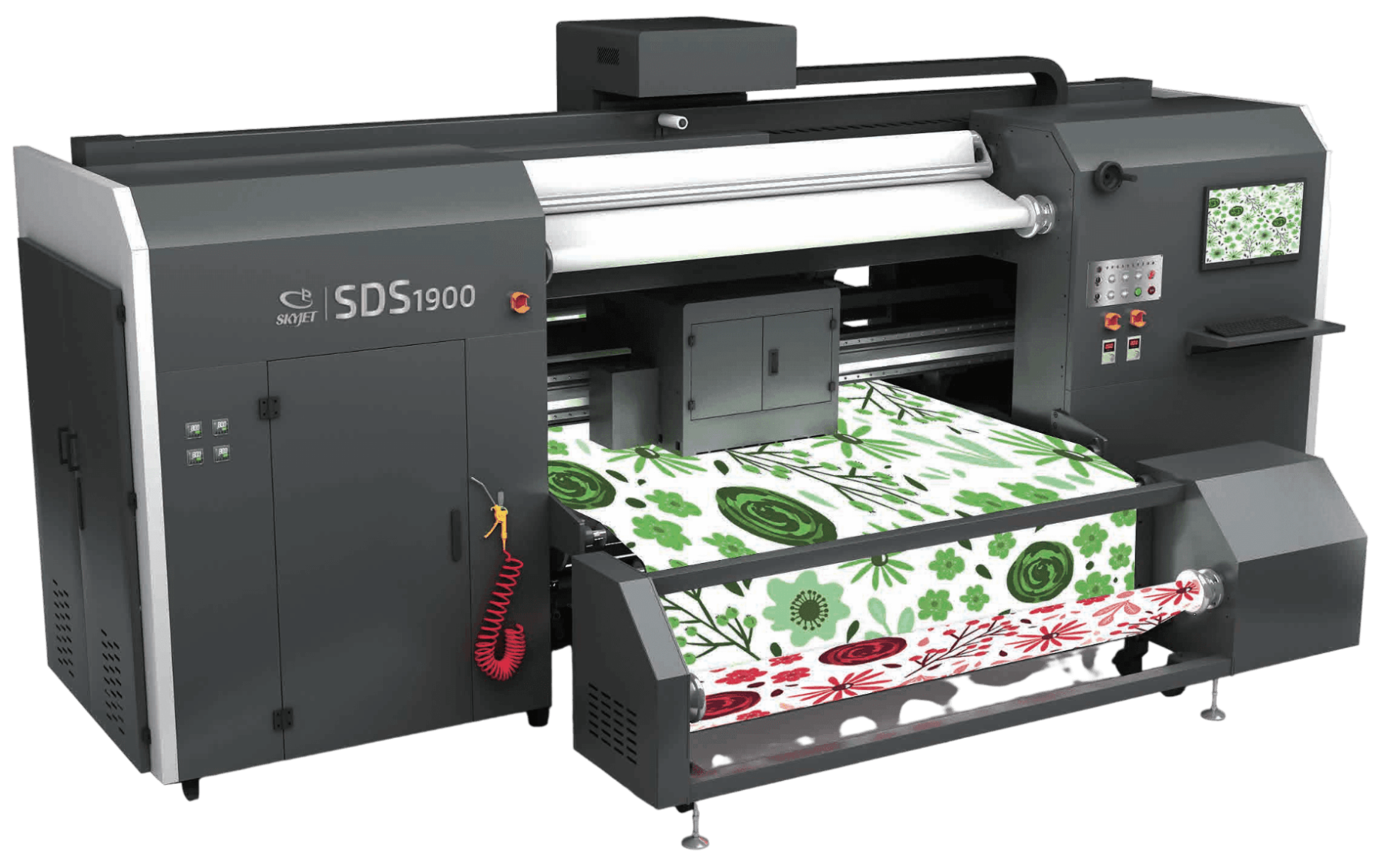
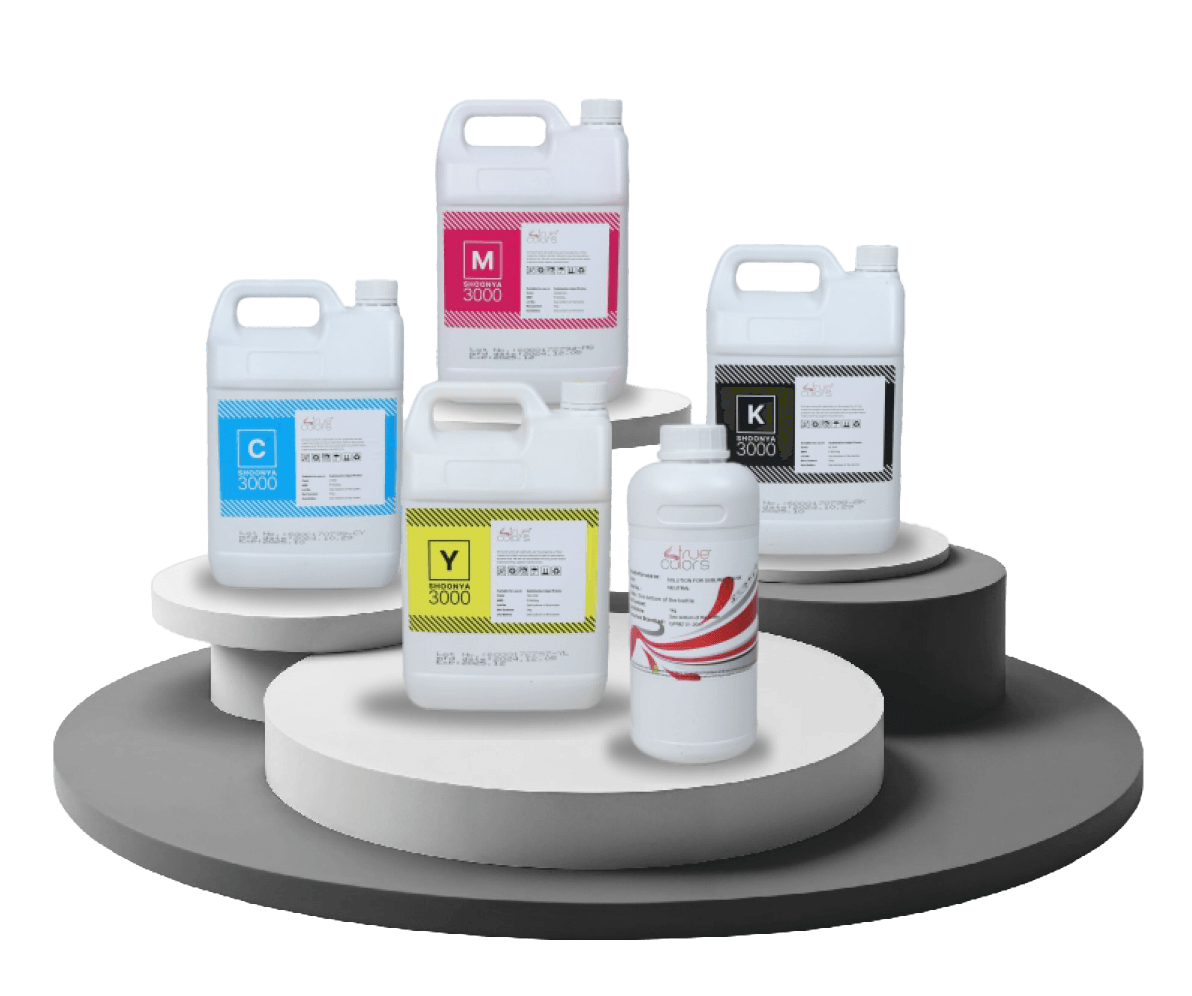
True Colors supports textile businesses that want to grow with modern digital printing technologies. With its experience in digital printing machines, inks, fabrics, sublimation paper, and service support, True Colors helps businesses understand printing as a complete ecosystem rather than a machine-only decision.
For companies exploring DTF printing, True Colors can help connect technology selection with production practicality, making it easier to build a reliable and scalable garment printing workflow.