Ink Selection Should Match the Production Floor
Choosing textile ink is not only about selecting a colorant. It is a production decision that affects machine performance, fabric quality, printhead safety, color consistency, and long-term cost.
The right textile ink for production printing depends on the actual environment in which the machine operates.
A printer working with polyester fabric may need a different ink system compared to a manufacturer printing on cotton or blended fabrics. A business running long production hours may require stronger ink stability than a unit focused mainly on sampling.
This is why ink selection should begin with production reality, not only with price comparison.
Fabric Type Guides Ink Choice
Fabric type is one of the first factors to consider when choosing textile ink.
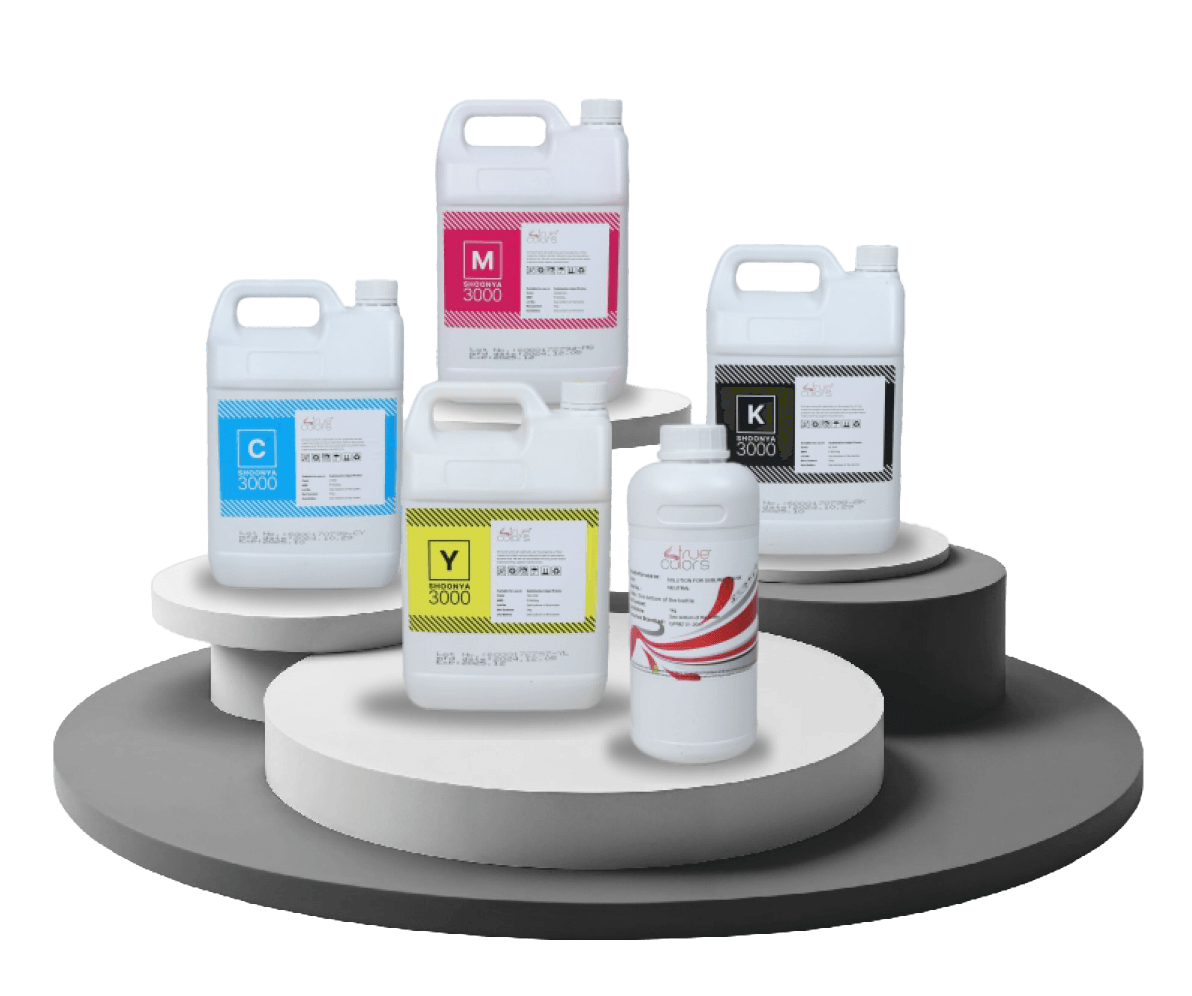
Polyester, cotton, viscose, silk, nylon, and blended fabrics respond differently to different ink systems. Sublimation ink is commonly used for polyester-based printing, while pigment, reactive, disperse, or other ink systems may be selected depending on the fabric and process requirement.
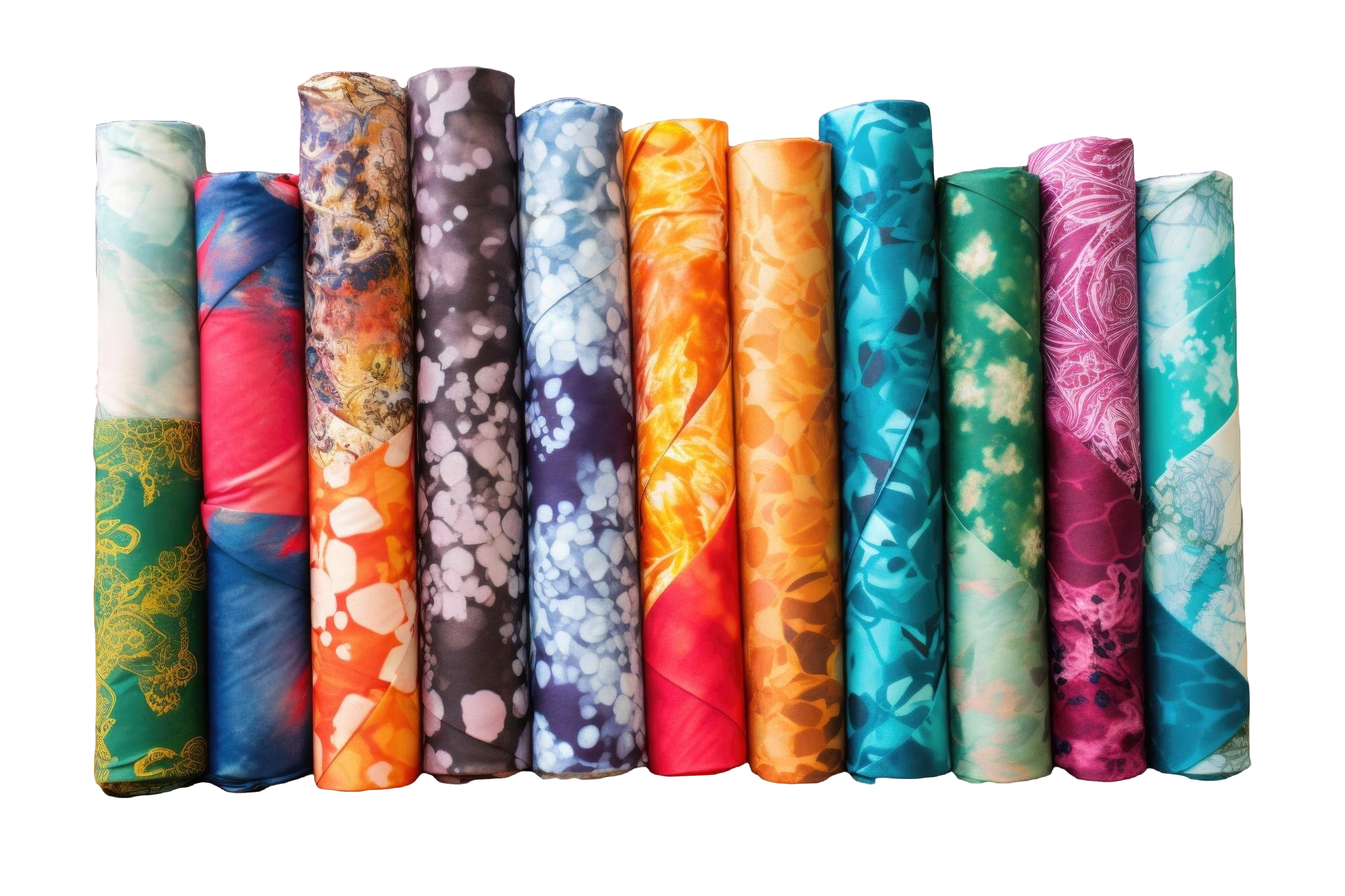
If the ink does not match the fabric, the final output may show weak color, poor fastness, dull print, or uneven results.
A good production setup begins with understanding the relationship between fabric and ink.
Machine and Printhead Compatibility Matter
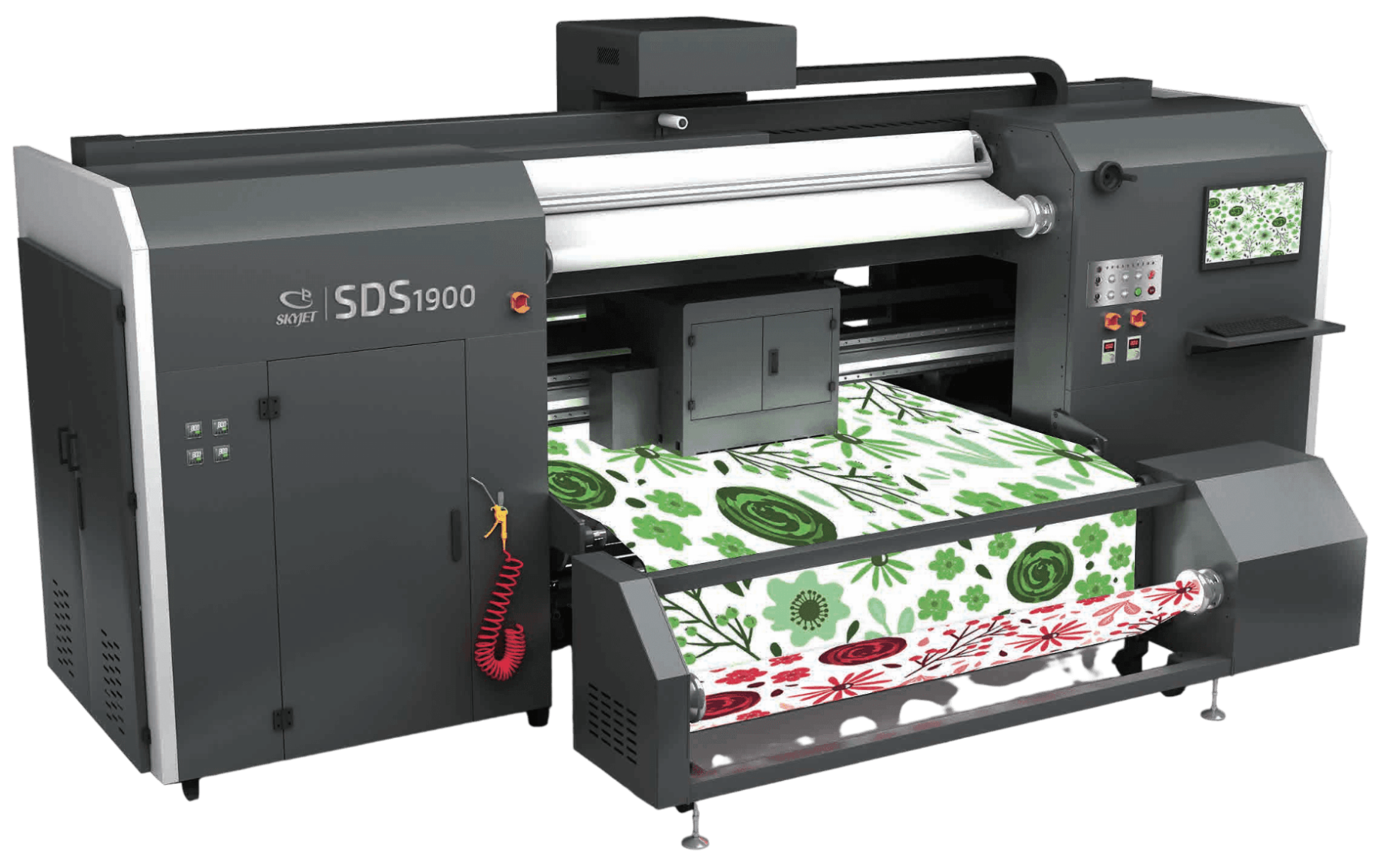
Ink must also be compatible with the digital printing machine and printhead technology.
Incorrect ink selection can affect flow behavior, nozzle performance, droplet formation, and maintenance frequency. It may also increase the risk of print defects or machine interruptions.
Manufacturers should ensure that the ink is suitable for the machine system, printing speed, printhead type, filtration requirement, and circulation behavior.
In production printing, compatibility is not optional. It directly affects machine uptime and output reliability.
Production Environment Affects Ink Behavior
The same ink can behave differently in different factory conditions.
Temperature, humidity, dust, storage practices, operator handling, and machine maintenance can influence ink performance. If the environment is unstable, the printer may face more nozzle issues, shade variation, or inconsistent flow.
Manufacturers should choose ink that performs reliably in their production conditions and also maintain proper storage and handling practices.
Ink quality and production discipline must work together.
Cost Should Be Measured Through Output
Many businesses compare ink only by litre price. This can be misleading.
A lower-priced ink may become expensive if it increases wastage, cleaning cycles, machine stoppage, rejection, or color correction.
The better way to evaluate ink is by looking at final production output, consistency, machine safety, and rejection rate.
In textile printing, the right ink is the one that helps the entire production system perform better.
Conclusion
Choosing textile ink for production printing requires understanding fabric type, machine compatibility, printhead safety, production environment, color requirement, and long-term cost. The right ink should support both print quality and operational reliability.
Inkia by True Colors is positioned for printers who need ink solutions that connect with real production needs. With the wider support of True Colors digital printing machines, sublimation paper, fabrics, and technical guidance, ink selection becomes part of a complete production conversation.
For manufacturers who want fewer surprises on the shop floor, True Colors helps connect ink performance with machine behavior and fabric output, making the printing process more dependable.