India’s Textile Industry Is Ready for Its Next Transformation
India has built one of the world’s largest textile industries. From fabric manufacturing and processing to apparel, home textiles, and exports, the country has developed a strong production ecosystem over several decades.
Today, however, the industry is entering a different phase. Customer expectations are changing faster than ever. Brands demand quicker product launches, buyers expect consistent quality, and manufacturers must balance efficiency with flexibility.
As a result, India textile printing is no longer evolving only through faster machines. The next stage of growth will depend on how well manufacturers combine technology, production planning, quality control, and customer responsiveness.
Faster Production Is Becoming a Business Requirement
Modern textile markets move much faster than they did a few years ago. Fashion collections change frequently, export buyers work with tighter schedules, and retailers expect shorter delivery cycles.
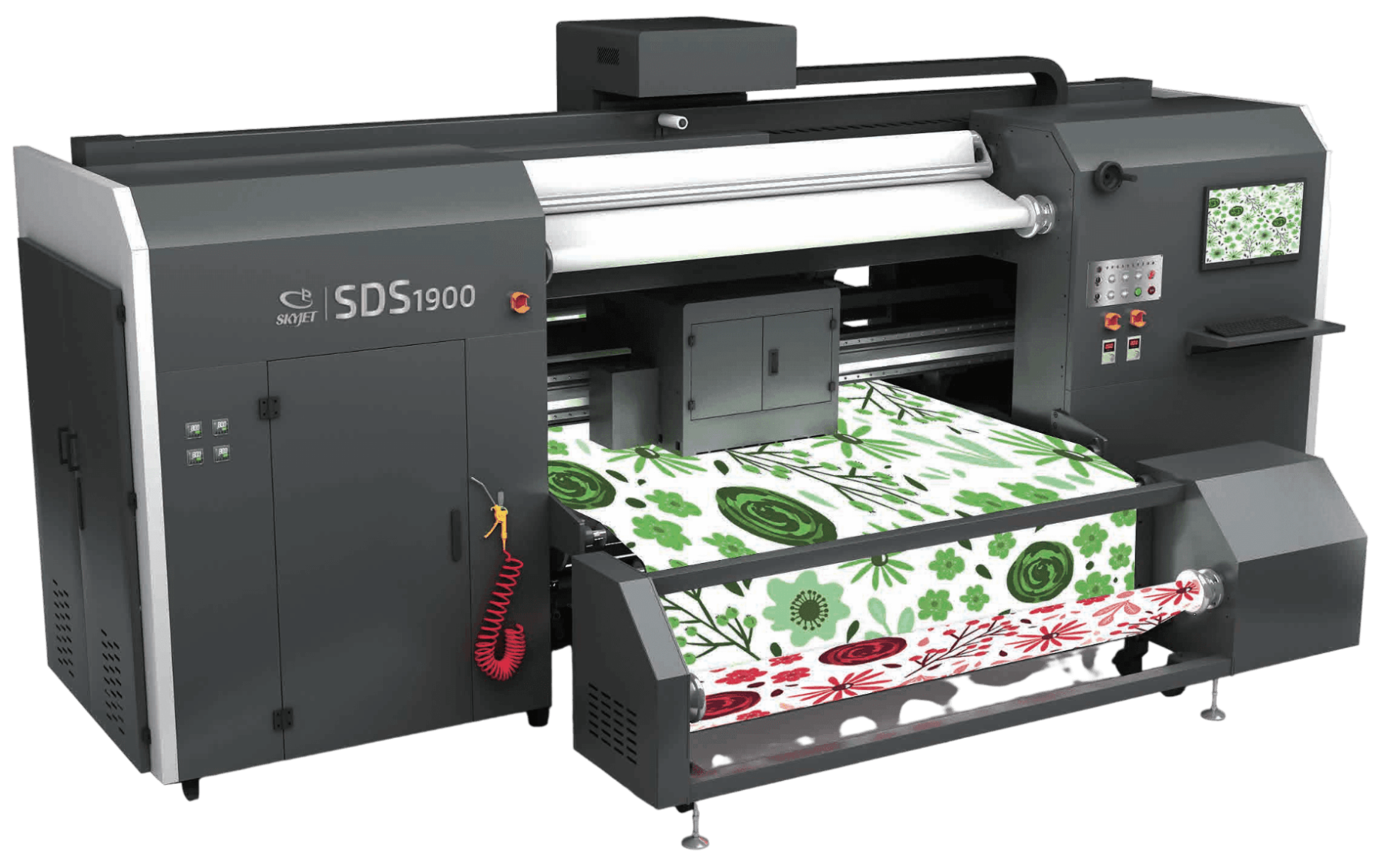
Because of this, manufacturers cannot depend on long production setups anymore. Digital textile printing allows businesses to move from design approval to production much more quickly while reducing unnecessary delays.
However, speed alone is not enough. Manufacturers must maintain the same quality standards even when production volumes increase. Businesses that successfully combine speed with consistency will have a stronger competitive position.
Customization Is Creating New Opportunities
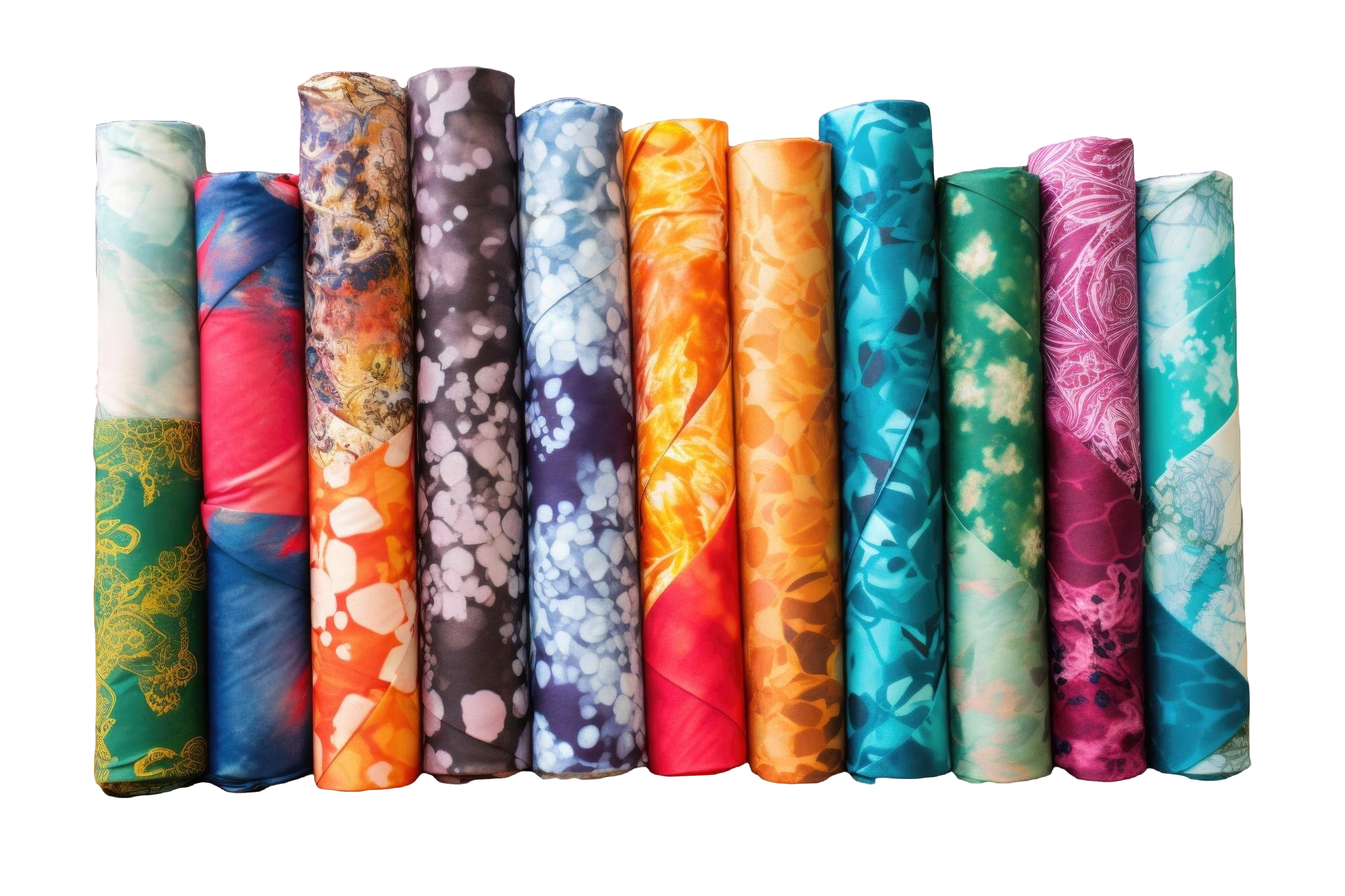
Today’s customers want products that feel unique. Limited collections, regional designs, seasonal launches, and personalized textiles are becoming increasingly common across fashion and home décor markets.
Digital printing supports this shift because manufacturers can change artwork quickly without extensive setup procedures. Consequently, businesses can experiment with new ideas, launch smaller collections, and respond to customer demand with much greater confidence.
Instead of producing large quantities first and hoping they sell, brands can test the market and expand production only after receiving positive customer response.
Sustainable Manufacturing Will Become More Important
Sustainability is no longer just a marketing term. Many brands now evaluate how fabrics are produced before selecting manufacturing partners.
Digital textile printing can contribute to more responsible production by supporting shorter runs, reducing unnecessary inventory, and simplifying sampling.
Nevertheless, sustainability involves much more than printing technology alone. Fabric selection, ink systems, energy consumption, production efficiency, and waste management all influence the environmental impact of textile manufacturing.
Therefore, future-ready manufacturers will focus on improving the entire production process rather than one individual stage.
Export Markets Will Continue to Raise Quality Standards
Indian textile manufacturers serve customers across the world. International buyers expect accurate color matching, consistent fabric quality, reliable finishing, and timely deliveries on every order.
Meeting these expectations requires more than advanced equipment. Manufacturers need standardized workflows, disciplined production practices, skilled operators, and dependable quality control systems.
Companies that consistently deliver reliable results will strengthen buyer confidence and create stronger long-term export relationships.
Connected Production Systems Will Shape the Future
As production becomes more complex, managing individual components separately becomes increasingly difficult.
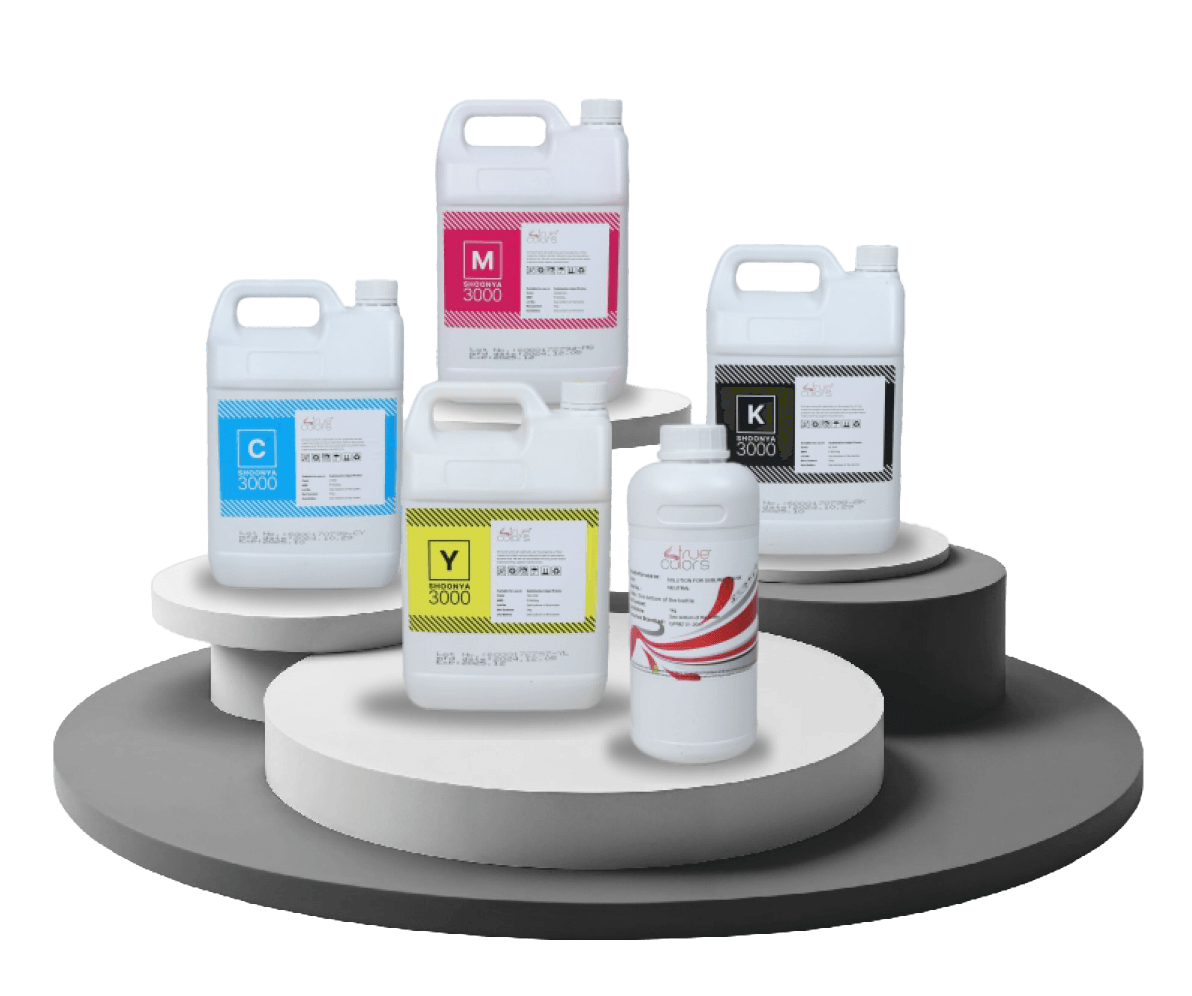
Machines, inks, fabrics, sublimation paper, software, operators, technical support, and production planning all influence one another. When these elements work together, manufacturers experience fewer interruptions, better consistency, and smoother operations.
For this reason, the future of India textile printing will belong to businesses that invest in complete production ecosystems instead of isolated technologies.
Conclusion
The next chapter of India textile printing will not be defined only by faster machines. It will be shaped by manufacturers who combine flexibility, customization, sustainability, quality control, and integrated production into one efficient workflow.
True Colors is helping businesses prepare for this transformation through a complete digital printing ecosystem. Along with digital textile printing machines, the company offers Inkia by True Colors inks, True Colors Sublimation Paper, fabrics, commercial inkjet solutions, and the technical expertise of TRUE TEAM.
By connecting every stage of production, True Colors enables manufacturers to build operations that are more reliable, scalable, and ready for the future of India’s textile industry.