Sublimation Paper Has a Bigger Role Than Many Printers Realize
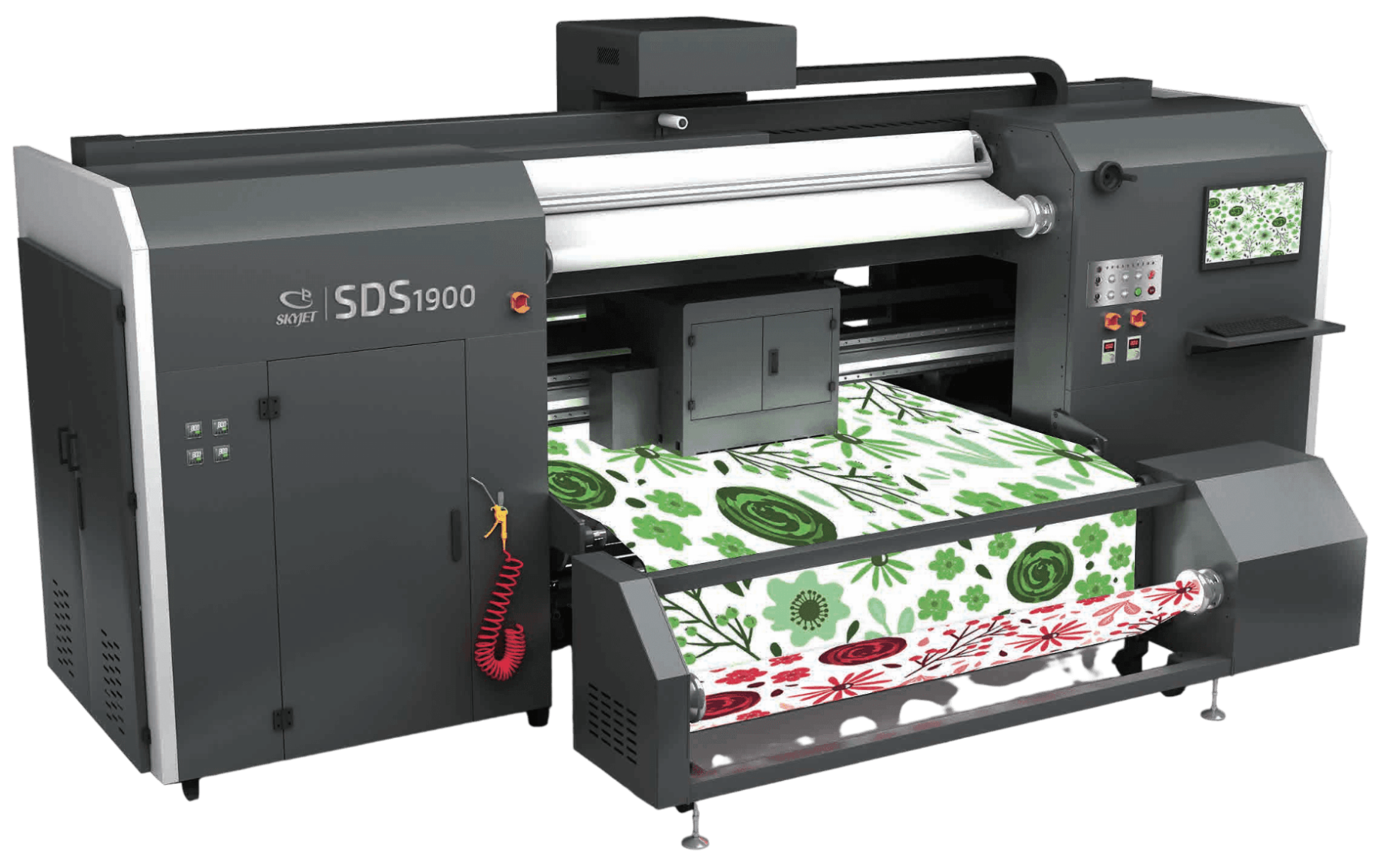
In sublimation printing, the final fabric output depends on a chain of connected factors. The machine, ink, paper, heat press or calendar, fabric, and operator settings all affect the result.
Among these, sublimation paper is sometimes treated as a simple consumable. In reality, reliable sublimation paper plays a direct role in production speed, transfer quality, color release, and consistency.
If the paper does not perform well, even good ink and a good printer may fail to deliver the expected output.
This is why sublimation paper should be selected based on performance, not only price.
Transfer Quality Depends on Paper Behavior
Sublimation paper carries the printed image before transferring it to polyester fabric. During heat transfer, the paper must release ink efficiently and evenly.
If ink release is weak, the final fabric may look dull. If the release is uneven, the print may show shade variation or patchiness.
Reliable sublimation paper helps improve transfer consistency by supporting controlled ink release. This helps maintain sharper prints, stronger color output, and more predictable results across production runs.
For printers handling repeat orders, this consistency becomes very important.
Drying Speed Affects Production Flow
In sublimation printing, paper drying behavior can influence production speed.
If the paper takes too long to dry, the workflow slows down. If drying is uneven, it may create smudging, transfer defects, or handling issues.
Reliable sublimation paper should support smooth printing and practical drying performance based on the production environment and ink load.
Printers handling high-volume work need paper that supports their production rhythm without creating unnecessary delays.
Paper Stability Reduces Operator Intervention
Paper movement, curling, wrinkling, and feeding issues can reduce production efficiency.
When sublimation paper behaves inconsistently, operators need to stop, adjust, or correct the process more frequently. This affects output speed and increases the chances of error.
Stable paper handling allows the production team to run jobs with more confidence.
For manufacturers, fewer interruptions mean better machine utilization and smoother delivery planning.
Choosing Paper by Application Is Important
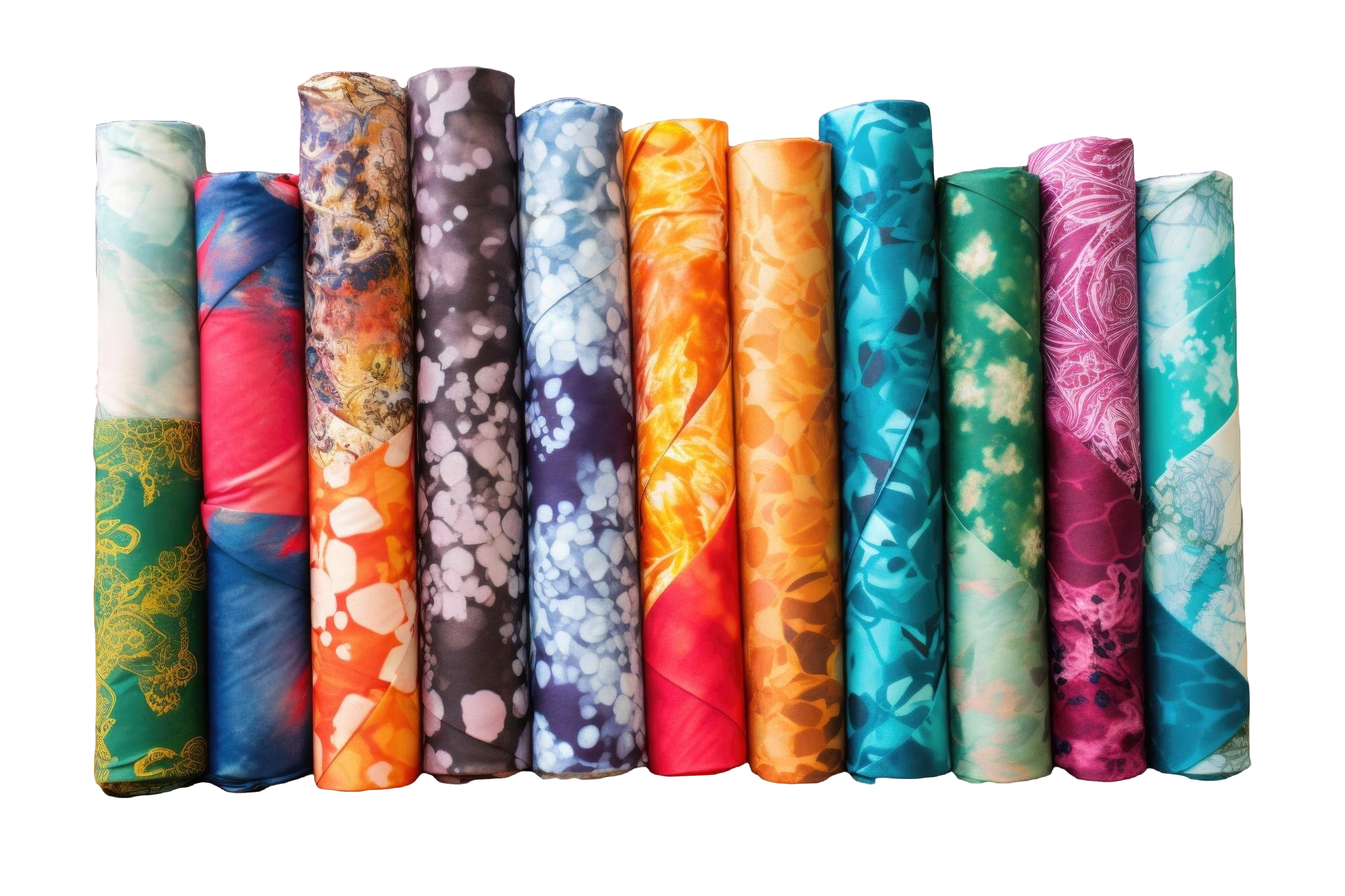
Not every sublimation job requires the same paper. A light design, heavy ink design, fashion fabric, sportswear fabric, banner fabric, or home textile product may have different needs.
Paper selection should consider GSM, coating, drying requirement, ink load, printer speed, and transfer process.
Using the same paper for every job may not always give the best result.
Manufacturers should select sublimation paper according to the actual application and production method.
Conclusion
Reliable sublimation paper improves production speed, transfer quality, color release, drying behavior, and print consistency. It helps printers reduce defects, avoid delays, and achieve more stable output in sublimation printing.
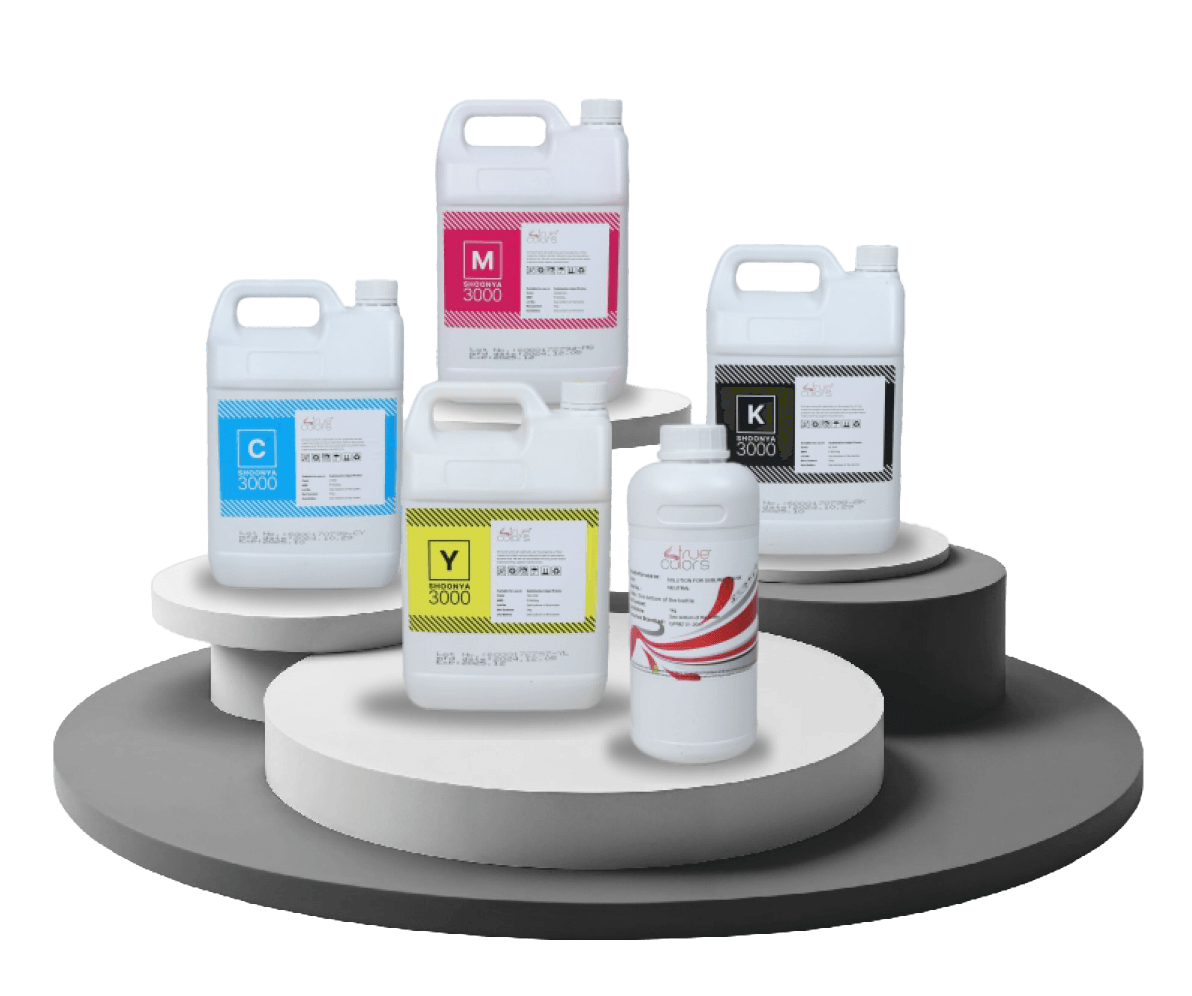
True Colors Sublimation Paper is relevant for printers who need dependable paper performance across practical production requirements. Supported by the broader True Colors ecosystem of digital printing machines, Inkia by True Colors inks, fabrics, and technical support, the paper becomes part of a complete sublimation workflow.
For businesses that depend on consistent polyester printing, True Colors helps connect paper choice with real production performance.