Activewear Needs Performance and Design Together
Activewear has become one of the fastest-moving categories in textile and apparel. Customers want clothing that looks stylish but also performs well during movement, fitness, sports, travel, and daily wear.
This makes digital printing for activewear fabrics an important opportunity for textile manufacturers.
Activewear fabrics often require stretch, comfort, durability, color appeal, and repeated wash performance. The print should not only look attractive; it should also support the purpose of the garment.
For manufacturers, activewear printing requires a balance between design flexibility and fabric performance.
Polyester-Based Fabrics Are Common in Activewear
Many activewear products use polyester or polyester-blend fabrics because of their lightweight feel, moisture handling, durability, and performance properties.
For polyester-based activewear, sublimation printing is widely used because it can create vibrant prints while becoming part of the fabric surface during transfer.
This makes sublimation suitable for leggings, jerseys, sports t-shirts, cycling wear, gym wear, and athleisure products.
However, the final output depends on fabric quality, stretch behavior, ink performance, sublimation paper, and heat transfer control.
Stretch Behavior Must Be Considered
Activewear fabrics move with the body. This means the print must be suitable for stretch and repeated use.
If the printing method or fabric selection is not correct, the final garment may show distortion, cracking, shade change, or uneven appearance when stretched.
Manufacturers should test print behavior on the actual activewear fabric before bulk production.
Testing helps check color output, stretch appearance, hand feel, wash result, and overall product performance.
Design Flexibility Helps Brands Stand Out
Activewear brands often use bold patterns, gradients, custom graphics, team prints, and limited edition designs.
Digital printing supports this requirement by allowing detailed artwork and faster design changes.
This is useful for sports teams, fitness brands, running clubs, yoga wear companies, and fashion-led athleisure labels.
With digital printing, manufacturers can support both bulk activewear production and custom team or event-based designs.
Consistency Is Important in Repeat Orders
Activewear brands often reorder successful designs. When repeat orders come in, the new production should match the approved design and color as closely as possible.
This requires stable ink, correct paper, controlled transfer settings, and reliable fabric quality.
Manufacturers should maintain standard production records so that repeated activewear designs can be reproduced with better accuracy.
Conclusion
Digital printing for activewear fabrics helps manufacturers serve sportswear, athleisure, teamwear, and performance clothing markets with more design flexibility. However, activewear printing requires careful attention to fabric stretch, ink behavior, transfer quality, and repeat consistency.
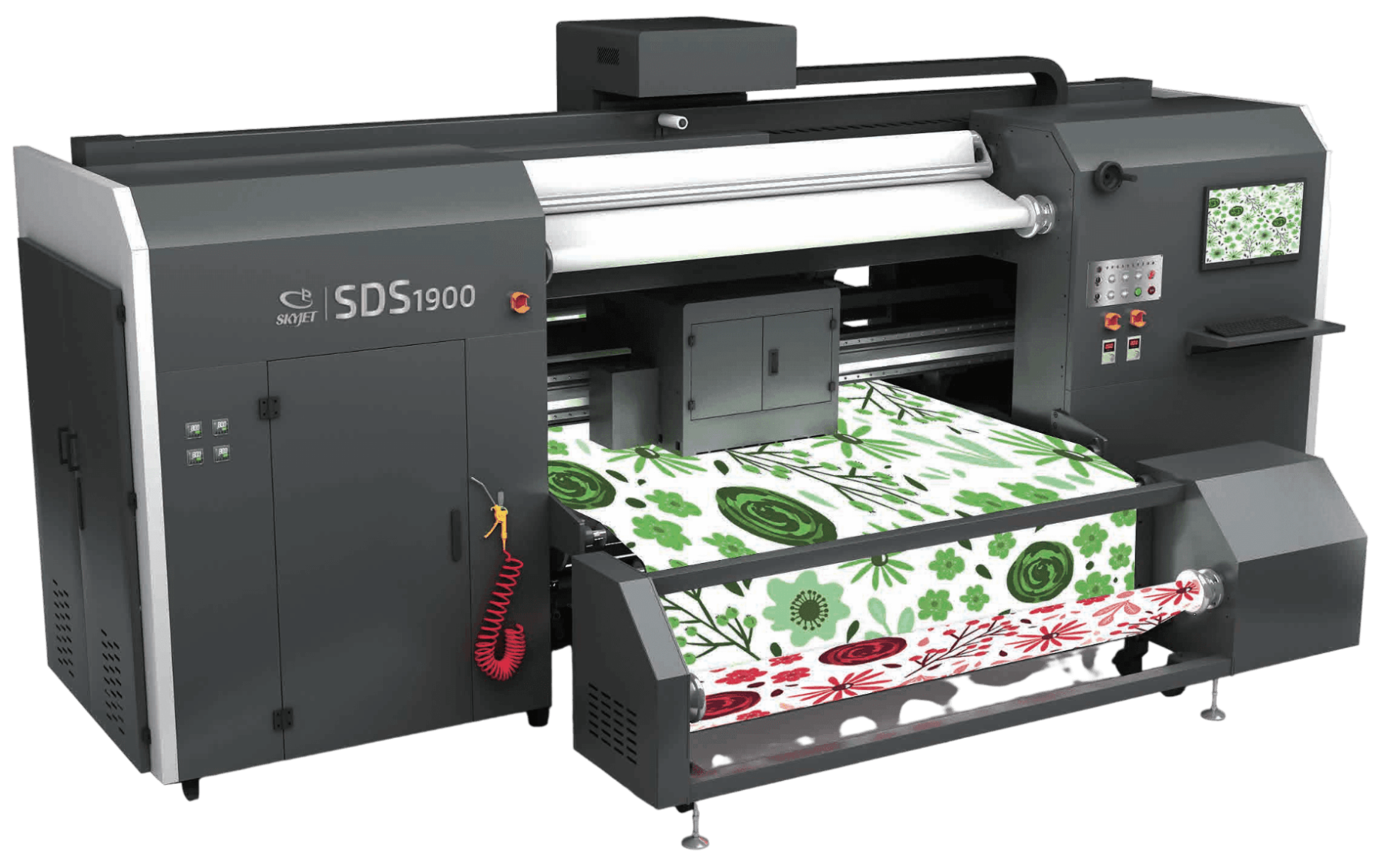
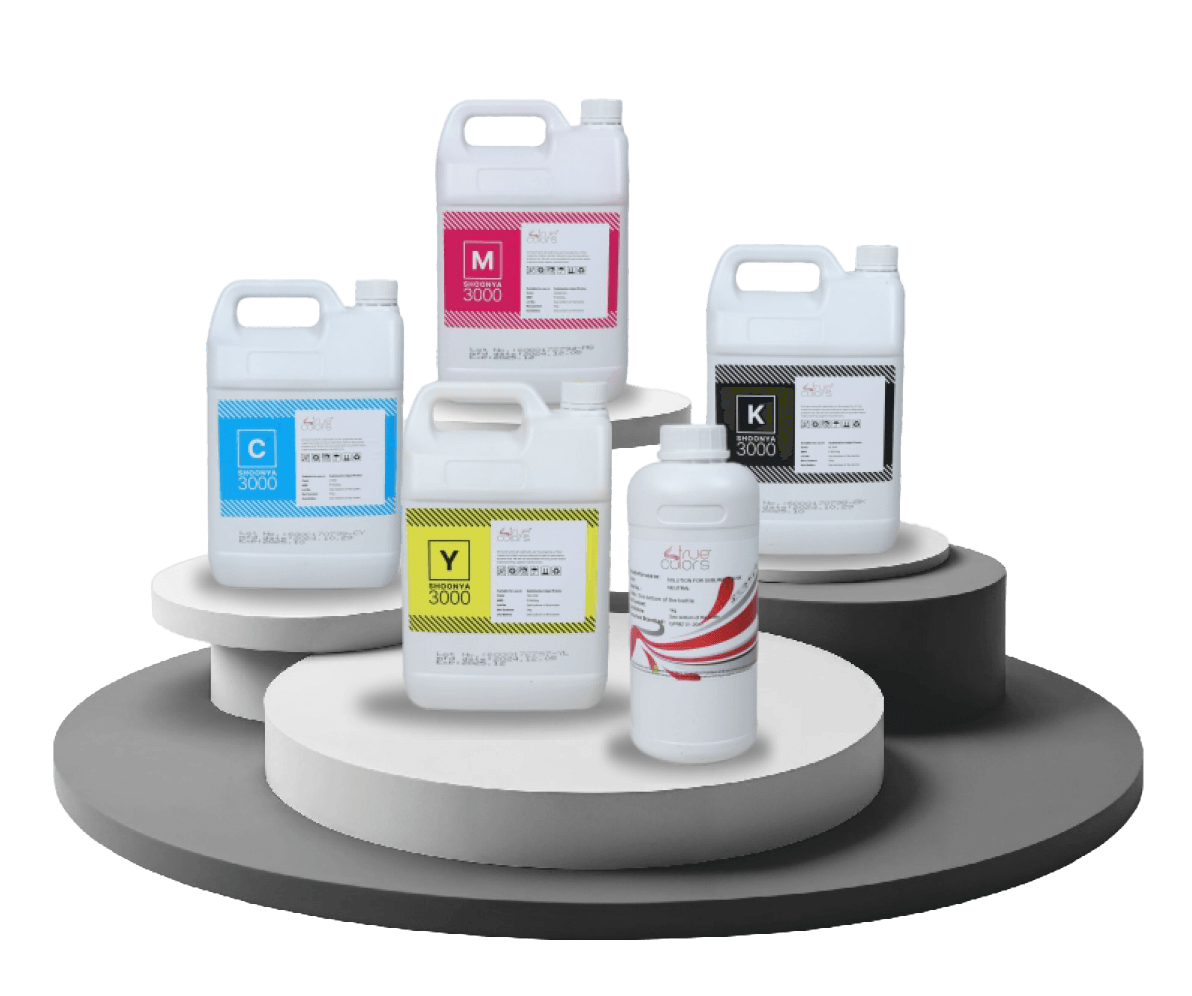
True Colors can support activewear manufacturers through a combination of digital textile printing machines, True Colors Sublimation Paper, Inkia by True Colors inks, fabrics, and technical support. This combination is especially useful for polyester-based activewear where transfer quality and color consistency matter.
For businesses entering or expanding in activewear printing, True Colors helps connect performance fabric requirements with practical digital printing solutions.