Textile Printing Is Serving More Markets Than Ever
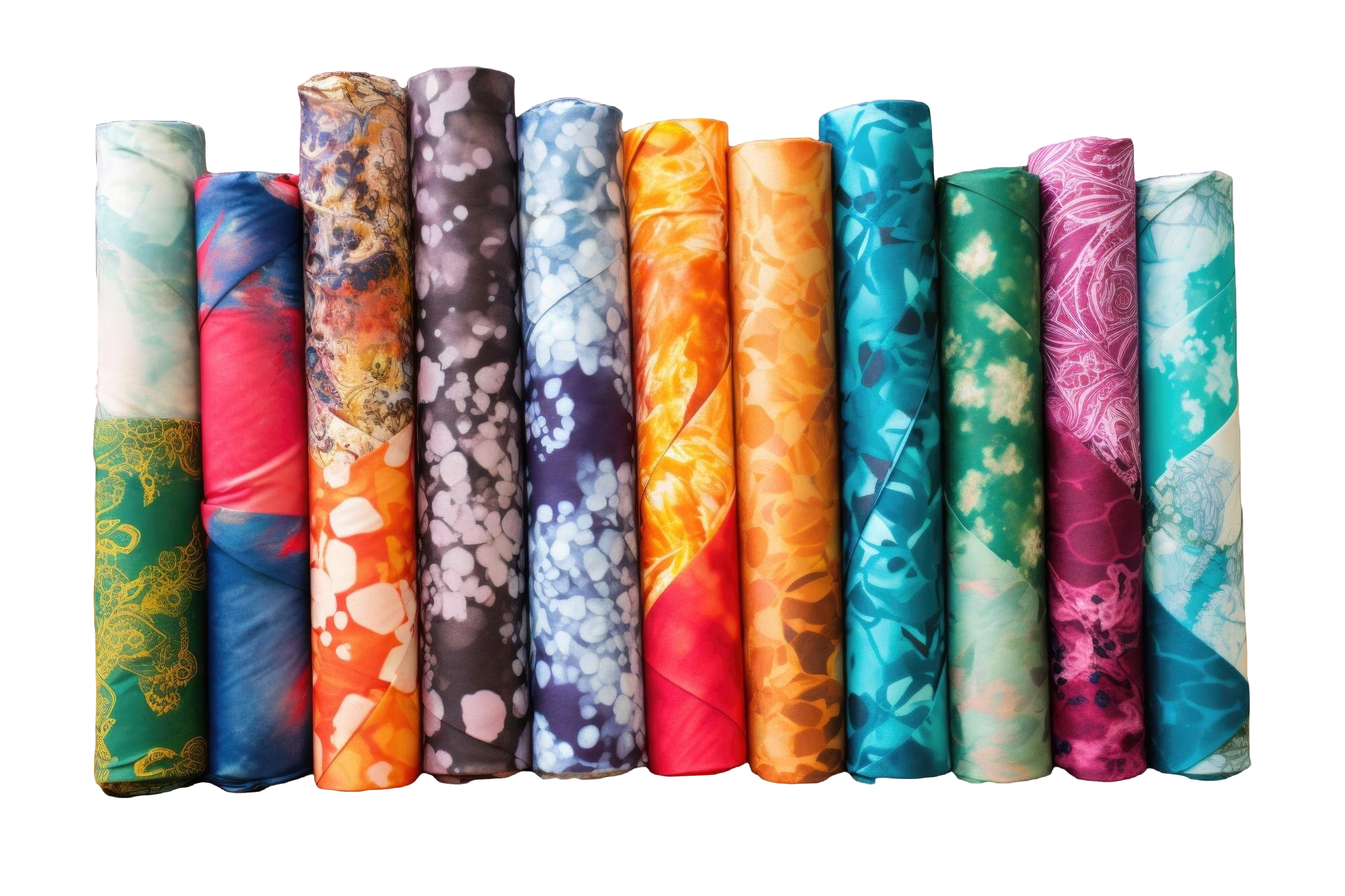
Digital textile printing is no longer limited to one type of fabric or one kind of customer. Today, textile businesses use digital printing to serve fashion, home textiles, sportswear, advertising, exports, uniforms, décor, and custom product categories.
This makes digital printing for textile industries a strong growth opportunity.
The same printing business can serve multiple markets if it has the right technology, fabric understanding, ink system, workflow, and production planning.
For manufacturers, this creates a chance to diversify and reduce dependency on only one customer segment.
Fashion Requires Speed and Design Flexibility
Fashion brands need fresh prints, faster sampling, shorter runs, and frequent collection updates.
Digital printing supports this by allowing manufacturers to print different designs without long setup delays. This helps brands test more ideas and respond faster to market trends.
For textile printers, fashion can become a strong segment when they can maintain color consistency, fabric feel, and quick turnaround.
Home Textiles Need Coordinated Collections
Home textile businesses need printed fabrics for curtains, cushions, bedsheets, table linen, and décor products.
Digital printing helps create coordinated collections with matching patterns and multiple colorways.
This gives brands more creative freedom and helps manufacturers offer design variety across product categories.
For home textile applications, fabric selection and print consistency are especially important because products are often sold as part of a visual theme.
Sportswear and Advertising Need Polyester Printing Strength
Sportswear, activewear, flags, banners, and soft signage often use polyester-based fabrics.
Sublimation printing is commonly used in these segments because it can support vibrant color and durable transfer when the process is controlled well.
For manufacturers, these industries offer opportunities in teamwear, promotional displays, event branding, fitness apparel, and performance fabrics.
The right sublimation paper, ink, fabric, and transfer process are important for stable output.
Export and Custom Production Need Reliability
Export buyers need consistency, quality control, and timely delivery. Custom production needs flexibility and smaller batch handling.
Digital printing can serve both types of demand when the production system is stable.
Manufacturers who can manage different industries with proper process control can create stronger business opportunities.
However, diversification should be planned carefully. Each industry has different expectations, and production should be aligned accordingly.
Conclusion
Digital printing for textile industries allows businesses to serve fashion, home textiles, sportswear, advertising, exports, and custom production with greater flexibility. It helps manufacturers diversify, respond faster, and build new revenue opportunities.
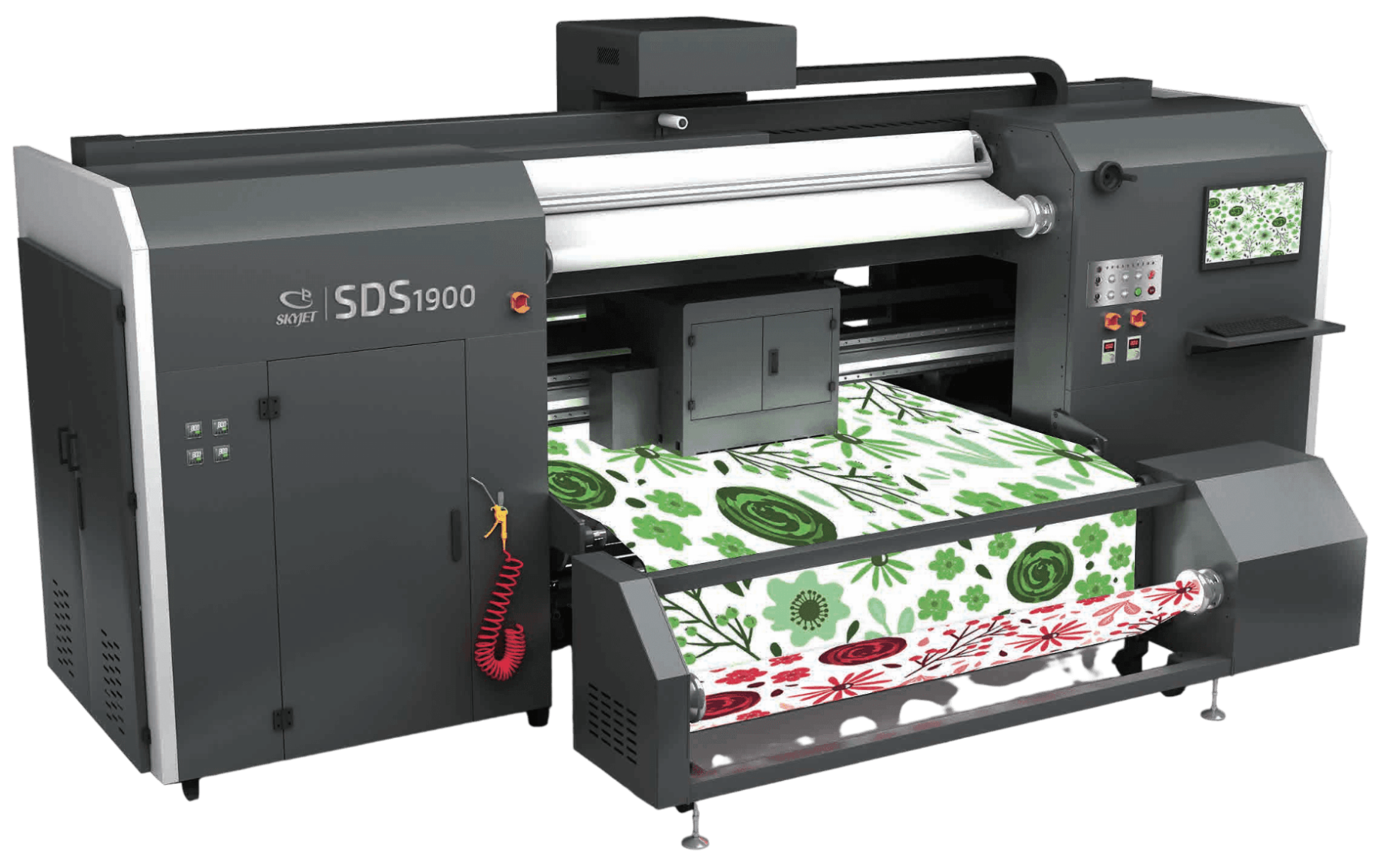
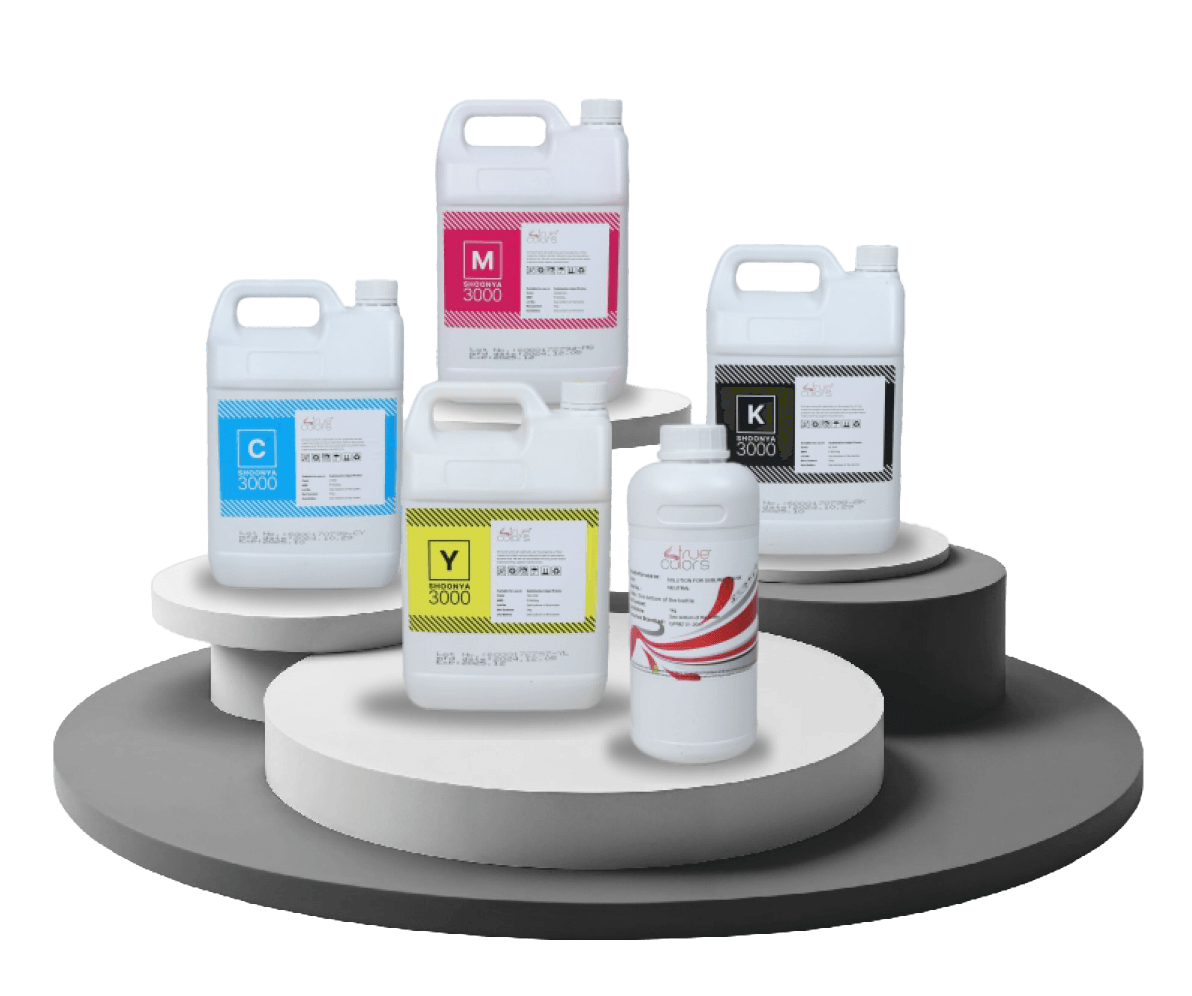
True Colors supports this multi-industry approach through a complete digital printing ecosystem. With digital textile printing machines, Inkia by True Colors inks, True Colors Sublimation Paper, fabrics, commercial inkjet expansion, and TRUE TEAM service support, True Colors helps businesses prepare for different market applications.
For textile manufacturers looking to grow across multiple industries, True Colors provides the ecosystem needed to move with flexibility while maintaining production reliability.