Growth Often Brings More Than One Machine
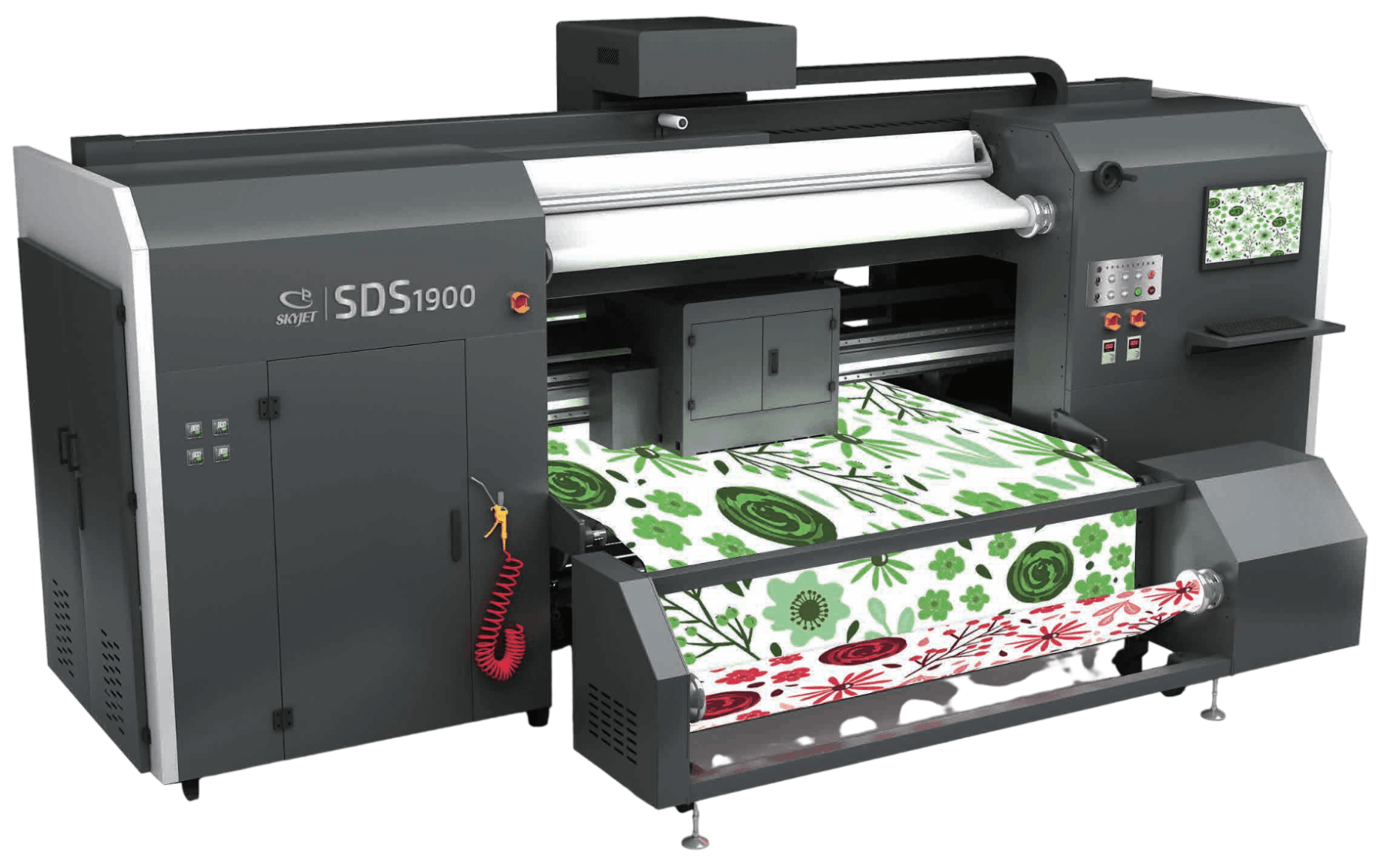
As textile printing businesses grow, they often add more machines to handle higher production volumes. This helps increase capacity, but it also creates a new challenge: keeping output consistent across multiple machines.
Multi-machine color matching in textile printing becomes important when the same design or order needs to be printed on more than one machine.
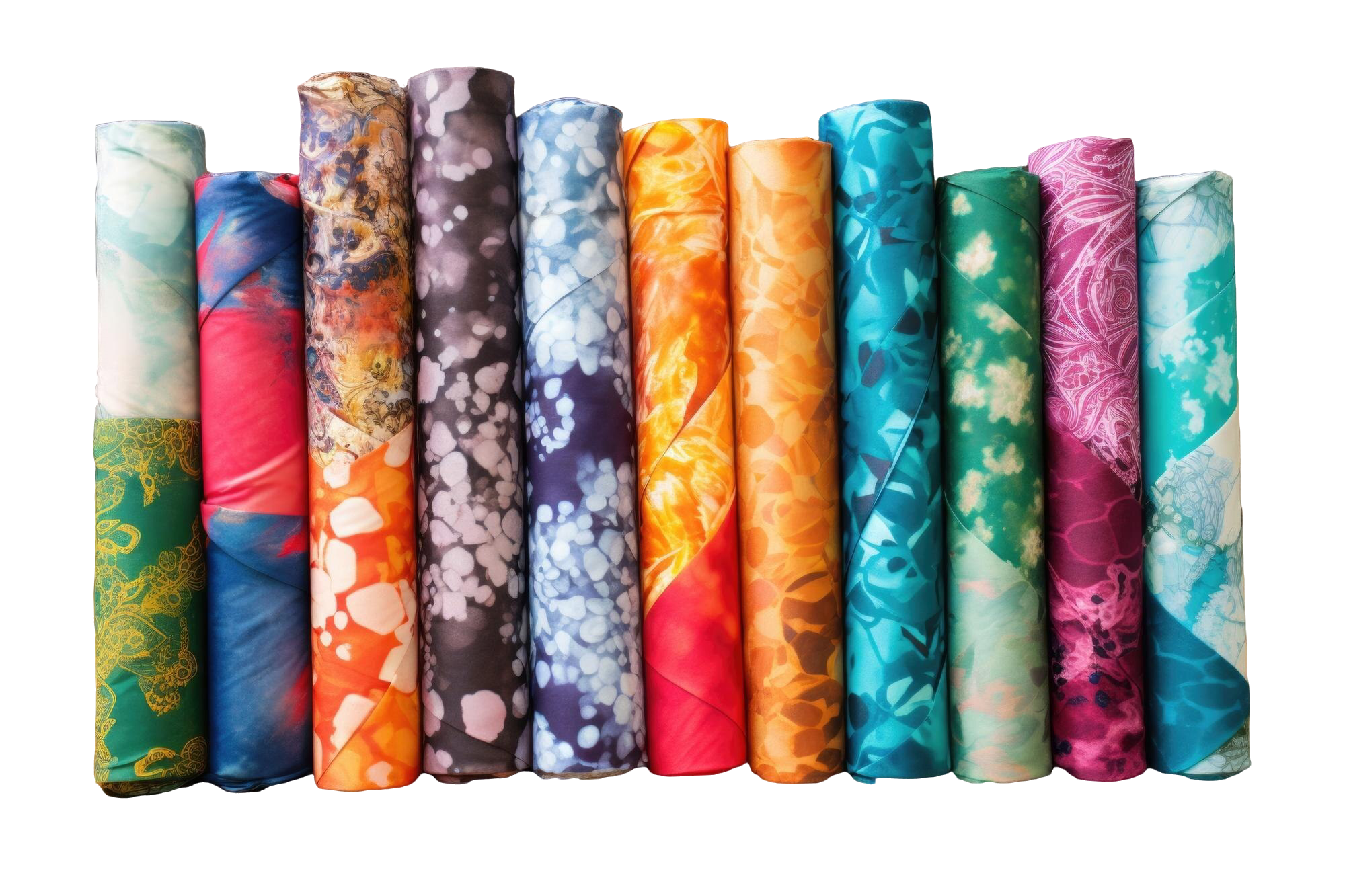
If two machines produce slightly different shades, the final fabric may not match across the complete order. This can create quality problems, especially for bulk production, export orders, repeat orders, and brand-approved collections.
Similar Machines Can Still Produce Different Results
Even when machines are from the same category, their output may not be exactly identical. Printhead condition, calibration, ink flow, software settings, maintenance history, operator handling, and fabric movement can all influence final color.
This means a design approved on one machine may look slightly different when printed on another machine.
Manufacturers should not assume that machine similarity automatically guarantees color similarity. Matching must be managed through controlled settings, calibration, and production discipline.
Approved Samples Must Be Linked to Production Settings
Color matching becomes more difficult when approved sample records are not maintained properly.
If a customer approves a sample, the production team should know which machine, ink, fabric, profile, settings, and process conditions were used.
Without this information, repeating the same output across multiple machines becomes difficult.
A structured approval record helps the production team reproduce color more accurately and reduces trial-and-error during bulk production.
Operators Need Standardized Processes
In multi-machine production, different operators may work on different machines. If each operator follows their own settings and habits, color variation can increase.
Standardized operating procedures help maintain better control across machines and shifts.
This includes file handling, machine calibration, nozzle checks, ink usage, fabric loading, and quality inspection.
When the process is standardized, manufacturers can scale production with fewer inconsistencies.
Color Matching Protects Customer Trust
Customers expect consistency. They may not understand machine-level differences inside the factory, but they will notice shade variation in the final fabric.
For fashion brands, home textile buyers, and export houses, inconsistent color can affect product appearance and buyer confidence.
Multi-machine color matching helps manufacturers deliver larger orders with better reliability.
It allows businesses to scale capacity without losing quality control.
Conclusion
Multi-machine color matching in textile printing is essential for growing production units. As businesses add more machines, they must control settings, calibration, sample records, operator discipline, and quality checks to maintain consistent output.
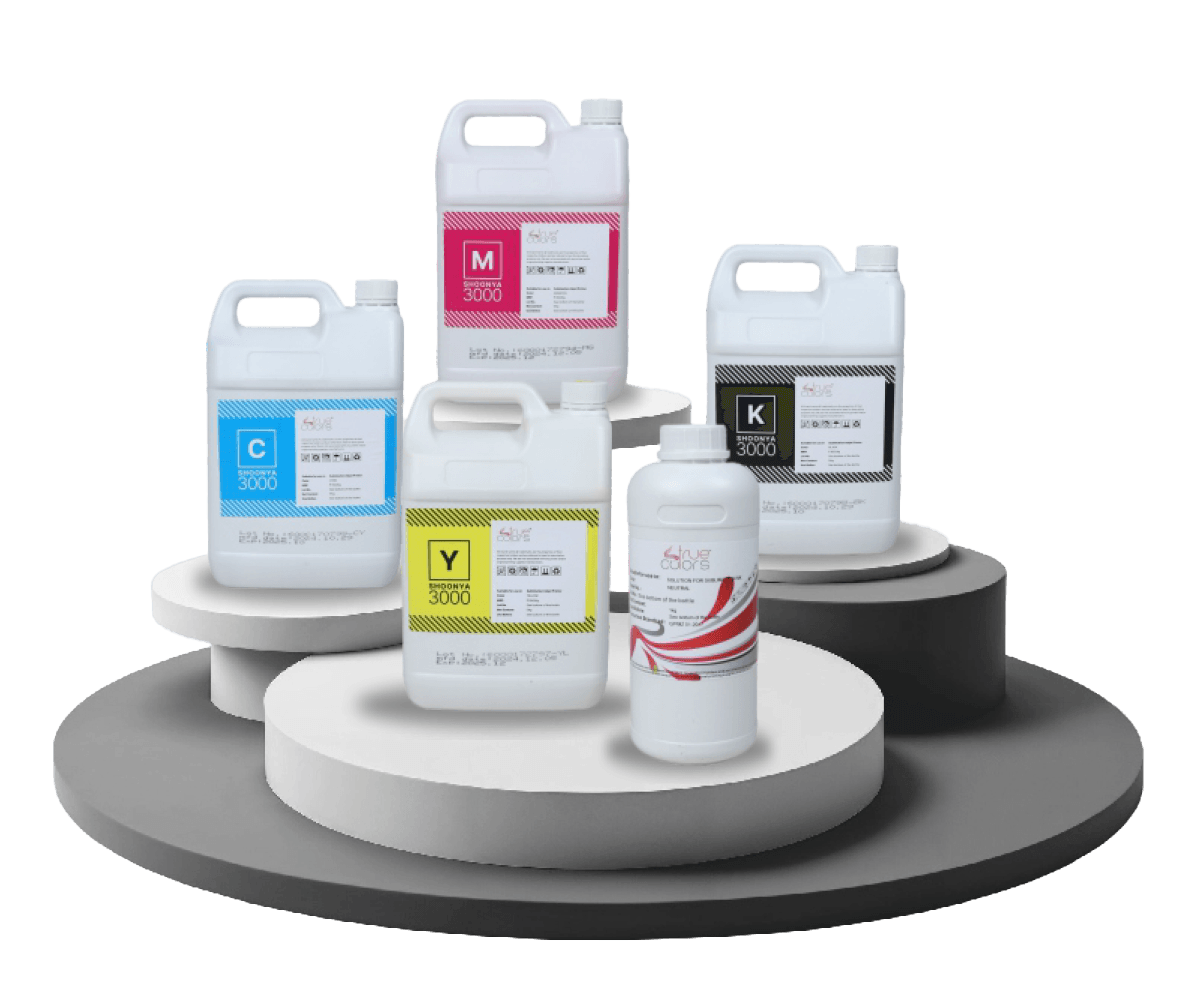
True Colors can support growing manufacturers by helping them look at machine expansion as a coordinated production system. With digital textile printing machines, Inkia by True Colors inks, fabrics, sublimation paper, and technical support, True Colors helps businesses manage consistency across production stages.
For textile printing units moving from one machine to multiple machines, True Colors can help make scaling more controlled, reliable, and customer-ready.