In textile manufacturing, production capacity is often associated with larger factories and additional machinery. However, expanding floor space is not always practical. Rising real estate costs, infrastructure limitations, and operational disruptions can make physical expansion difficult.
As a result, many manufacturers are now focusing on how to increase textile production capacity within their existing facilities. By optimizing machines, workflows, and production systems, textile units can significantly improve output without increasing their physical footprint.
Optimizing Machine Performance
One of the most effective ways to increase capacity is by improving the performance of existing equipment.
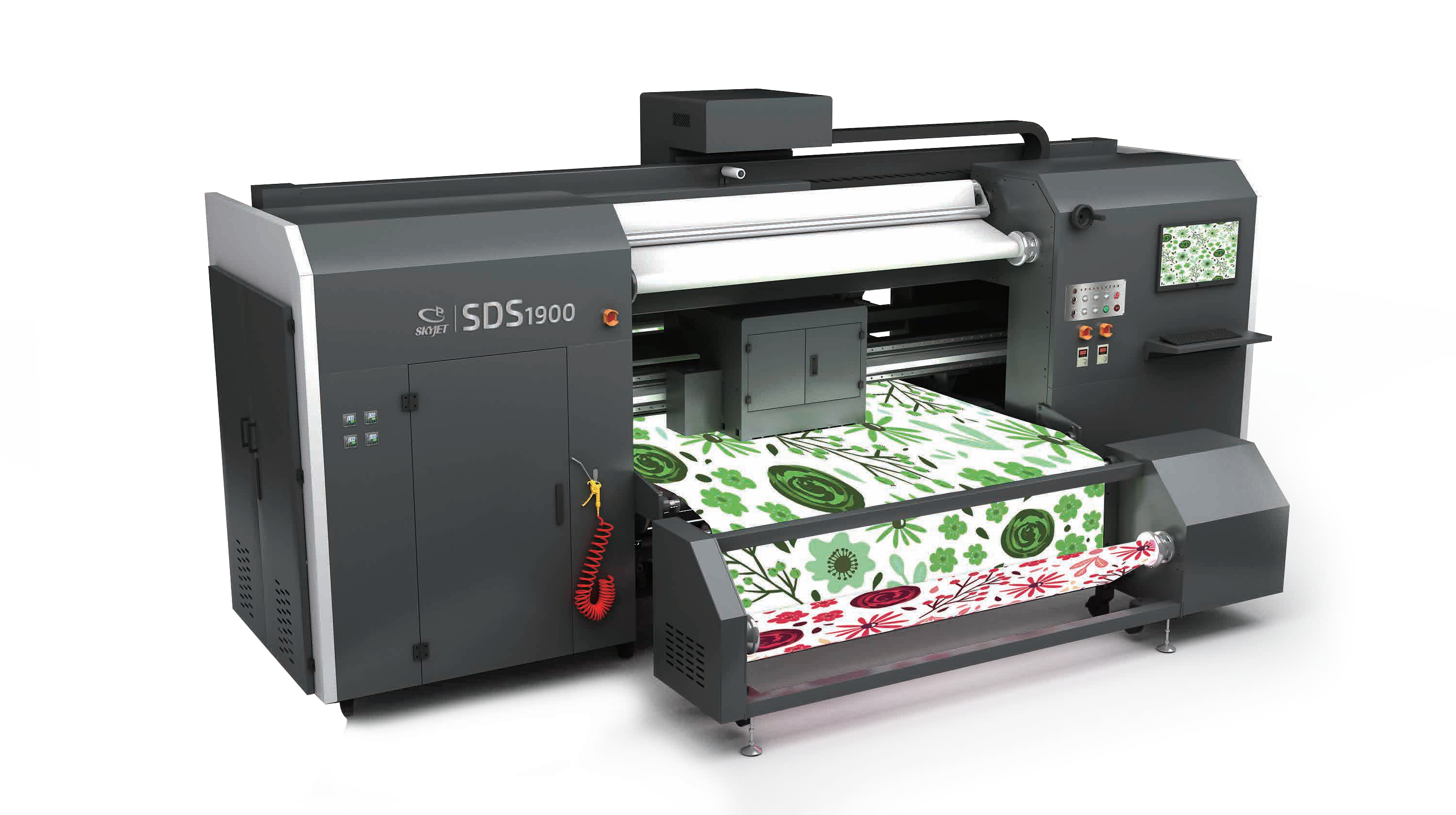
Digital textile printers and finishing systems often have untapped efficiency. Proper calibration, optimized machine settings, and stable ink performance can increase printing speed and reduce downtime.
When machines operate consistently at their optimal performance levels, factories can produce more output within the same operational hours.
Reducing Production Bottlenecks
Production delays often occur not because of machine limitations but because of workflow inefficiencies.
Common bottlenecks include:
- Irregular fabric feeding
- Delays between printing and finishing processes
- Frequent machine stoppages for maintenance
- Inefficient production planning
By identifying and eliminating these bottlenecks, textile units can improve overall production flow and increase daily output.
Improving Ink and Print Efficiency
In digital textile printing, production capacity is not only defined by machine speed but also by operational efficiency.
Optimized ink profiling and controlled consumption allow machines to operate more smoothly and reduce interruptions caused by ink-related issues.
Stable ink performance ensures that printing lines maintain consistent production without frequent adjustments.
Implementing Data-Driven Production Monitoring
Modern textile factories benefit greatly from tracking production data.
Monitoring parameters such as:
- Output per shift
- Machine utilization rates
- Ink consumption trends
- Maintenance cycles
helps managers identify inefficiencies and improve production planning.
With better visibility into production performance, manufacturers can optimize workflows and increase capacity without adding equipment.
Maximizing Multi-Shift Production
Another effective strategy for increasing capacity is improving machine utilization across multiple shifts.
When machines operate efficiently with minimal downtime, factories can extend production hours without needing additional space.
This approach allows manufacturers to scale output while maintaining their existing infrastructure.
Supporting Efficient Production Systems
Increasing production capacity requires more than just faster machines. It requires a balanced system where equipment, ink performance, and technical support work together.
Through its technical expertise and machine optimization approach, True Colors works with textile manufacturers to improve digital printing efficiency and help production lines achieve higher output within existing factory setups.
Conclusion
Expanding production capacity does not always require expanding factory space. By optimizing machines, eliminating bottlenecks, and improving production efficiency, textile units can significantly increase output within their current facilities.
Understanding how to increase textile production capacity through smarter operations allows manufacturers to scale production while maintaining operational control and cost efficiency.