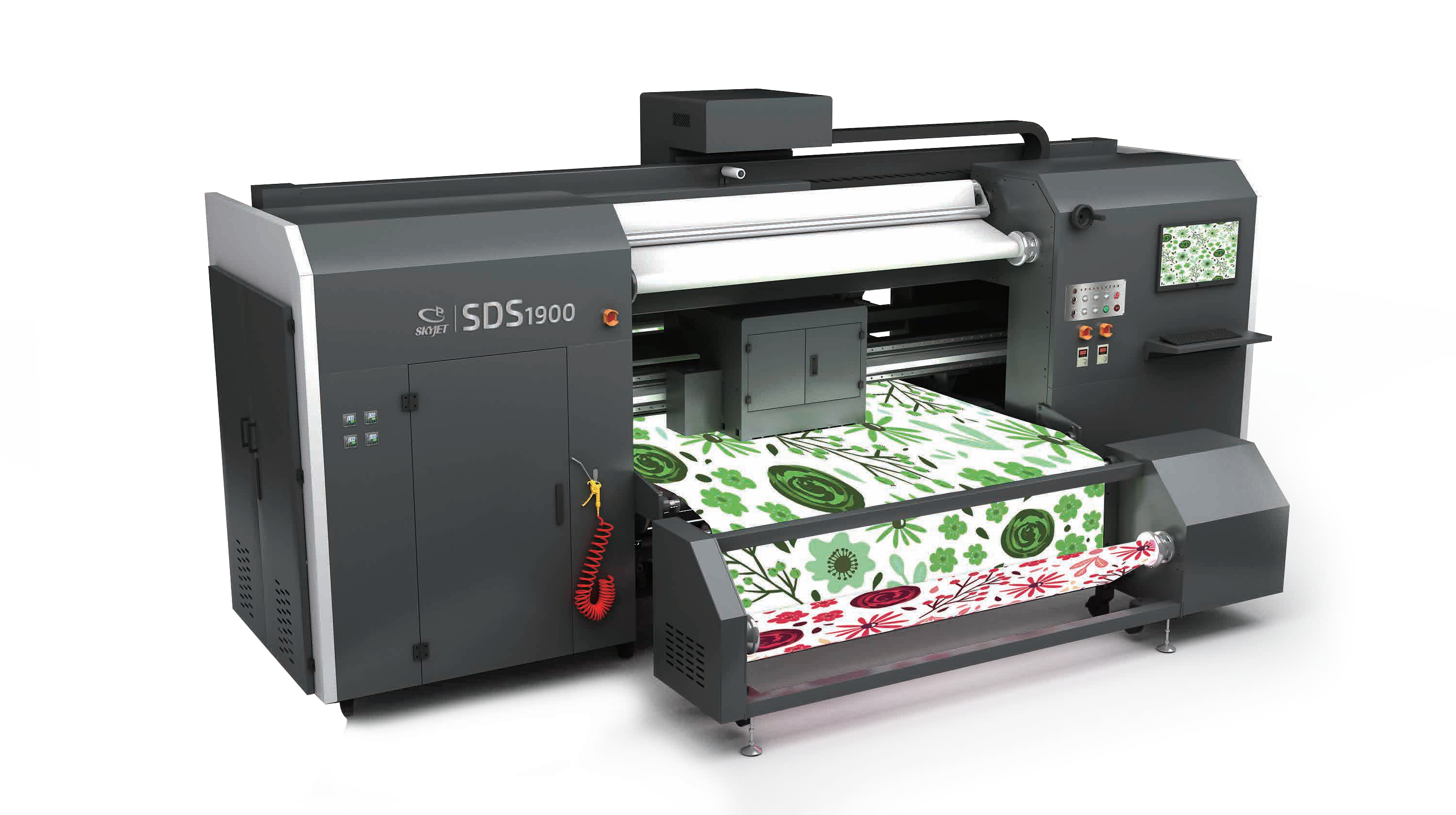
In digital textile printing, the printhead is one of the most critical components of the entire production system. Printhead maintenance in digital textile printing plays a vital role, as it controls how ink droplets are formed, placed, and distributed across the fabric surface.
Even the most advanced digital printers depend heavily on consistent printhead performance. Without proper care, printheads can suffer from clogging, misfiring nozzles, or irregular droplet formation, all of which affect print quality and production efficiency.
Understanding printhead maintenance in digital textile printing is therefore essential for manufacturers looking to maintain long-term machine reliability.
Why Printhead Health Matters
Printheads operate at extremely high precision. They are responsible for placing microscopic droplets of ink accurately onto the fabric.
When printheads are functioning properly, manufacturers benefit from:
- Sharp design reproduction
- Accurate color placement
- Stable production speed
- Consistent output quality
However, when printhead health deteriorates, the printing process becomes unstable. Issues such as banding, color inconsistency, and reduced printing accuracy may begin to appear.
Maintaining printhead health is therefore critical for protecting both production quality and operational efficiency.
Common Factors That Affect Printhead Performance
Several factors influence the condition and lifespan of printheads.
Ink Quality and Compatibility
Ink formulation plays a major role in printhead performance. Incompatible or poorly optimized ink may lead to nozzle blockages or irregular droplet formation.
Environmental Conditions
Temperature, humidity, and dust levels can also impact printhead stability. Controlled printing environments help reduce performance fluctuations.
Machine Usage Patterns
Frequent machine stoppages or irregular printing schedules may increase the risk of nozzle drying or clogging.
Recognizing these factors helps manufacturers prevent many common printing issues before they affect production.
Key Practices for Maintaining Printhead Health
Maintaining stable printhead performance requires consistent operational practices.
Regular Cleaning Cycles
Routine cleaning helps remove ink residue and prevents nozzle blockage. Scheduled cleaning ensures that ink flows smoothly through the printhead.
Correct Machine Calibration
Proper calibration ensures that ink droplets are accurately deposited onto the fabric. Regular calibration checks maintain printing precision.
Monitoring Ink Flow
Maintaining proper ink flow prevents uneven droplet formation and helps keep the printhead functioning efficiently.
Preventive Maintenance
Periodic machine inspections help identify potential issues before they develop into serious production problems.
These practices allow manufacturers to extend the operational life of their printheads.
Long-Term Production Stability
Digital textile printing lines are designed for continuous production. To maintain stable output across long production cycles, the entire printing system must operate efficiently.
Healthy printheads contribute directly to:
- Consistent color output
- Reduced production interruptions
- Lower maintenance frequency
- Improved machine reliability
Maintaining printhead health therefore becomes an important part of overall production management.
Supporting Reliable Machine Performance
Maintaining printhead health often requires both technical understanding and proper system monitoring. Factors such as ink behaviour, machine calibration, and environmental conditions must be managed carefully.
Through its technical expertise and machine-level support, True Colors works with textile manufacturers to help maintain stable printing performance and reliable long-term machine operation.
Conclusion
Printheads are at the heart of digital textile printing. Their performance directly affects print quality, machine stability, and production efficiency.
By focusing on proper printhead maintenance in digital textile printing, manufacturers can extend machine lifespan, maintain consistent output, and reduce unexpected production disruptions.
Protecting printhead health ultimately ensures that digital printing systems continue delivering reliable results over time.