In textile manufacturing, producing a single perfect print sample is only the first step. The real challenge begins when the same shade must be reproduced consistently across thousands of meters of fabric.
Maintaining shade matching in textile printing is critical for meeting buyer expectations, especially in export-oriented production. Even slight variations in color can lead to order rejections, reprocessing, or delays in dispatch.
For textile manufacturers handling bulk orders, achieving consistent shade reproduction requires careful control across the entire printing process.
Why Shade Consistency Matters in Bulk Production
Buyers expect the approved sample shade to remain identical throughout the entire order.
However, during bulk production, variations may occur due to changes in machine conditions, ink behaviour, or fabric characteristics.
If shade consistency is not properly managed, manufacturers may experience:
- Batch-to-batch color variation
- Rejected fabric lots
- Increased production costs
- Delays in delivery timelines
Consistent shade matching in textile printing therefore becomes essential for maintaining quality standards and operational reliability.
Controlling Ink Performance
Ink behaviour plays a significant role in color consistency. Variations in ink flow, droplet size, or ink compatibility can alter how color appears on fabric.
Maintaining stable ink performance helps ensure that colors remain consistent across long production runs.
Proper ink profiling and controlled consumption allow printers to reproduce shades accurately without unexpected shifts in tone.
Machine Calibration and Print Settings
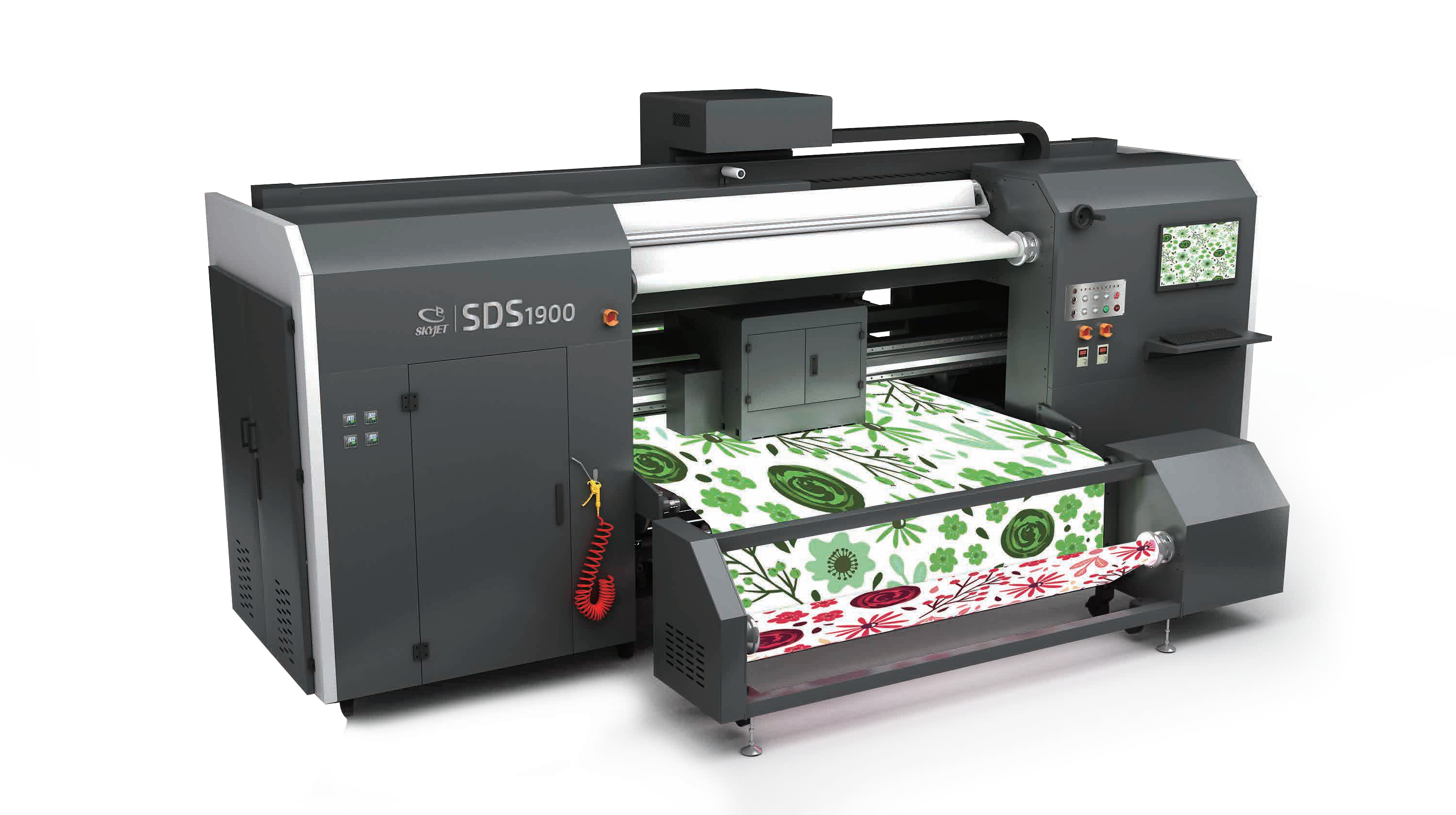
Digital textile printers rely on precise calibration to maintain consistent output.
Factors such as printhead alignment, droplet formation, and printing speed can influence color results.
Regular calibration and controlled machine settings help stabilize the printing process, allowing manufacturers to maintain uniform shades across bulk orders.
Fabric Preparation and Stability
Fabric characteristics also affect shade reproduction. Differences in fabric preparation or surface conditions can influence how ink interacts with fibers.
Ensuring consistent fabric preparation across production batches helps prevent unexpected shade variations during printing.
When fabric stability is maintained, printers can achieve more reliable color results.
Monitoring Production Conditions
Environmental factors such as temperature and humidity may also influence color behaviour during printing.
Monitoring these conditions helps production teams maintain stable operating environments and reduce variations in color output.
Consistent monitoring allows manufacturers to quickly identify and correct potential deviations before they affect bulk production.
Supporting Reliable Color Consistency
Achieving consistent shade matching requires coordination between machines, ink performance, and production processes. When these elements are aligned, textile manufacturers can maintain stable color output across large production volumes.
With its experience in digital textile printing systems and machine optimization, True Colors works closely with textile manufacturers to help maintain stable printing conditions that support consistent shade matching across bulk production runs.
Conclusion
Consistent shade reproduction is one of the most critical requirements in bulk textile production. Even small variations can impact quality approvals and buyer confidence.
By focusing on stable ink behaviour, machine calibration, fabric preparation, and controlled production conditions, manufacturers can achieve reliable shade matching in textile printing across large orders.
Maintaining this consistency ensures smoother production, fewer rejections, and stronger long-term relationships with buyers.