In modern textile manufacturing, speed, precision, and flexibility are essential. Sublimation printing has emerged as one of the most efficient methods for producing high-quality printed fabrics.
Unlike traditional printing methods, sublimation printing does not apply ink directly onto the fabric. Instead, the design is first printed onto special sublimation paper and then transferred to the fabric using heat and pressure.
This two-step process allows manufacturers to achieve vibrant colours, sharp details, and consistent production results.
Step 1: Printing the Design on Sublimation Paper
The sublimation printing process begins with the design preparation stage.
A digital design file is processed using RIP software. The software converts the design into a machine-readable format. It also manages colour profiles, resolution settings, and print layout.
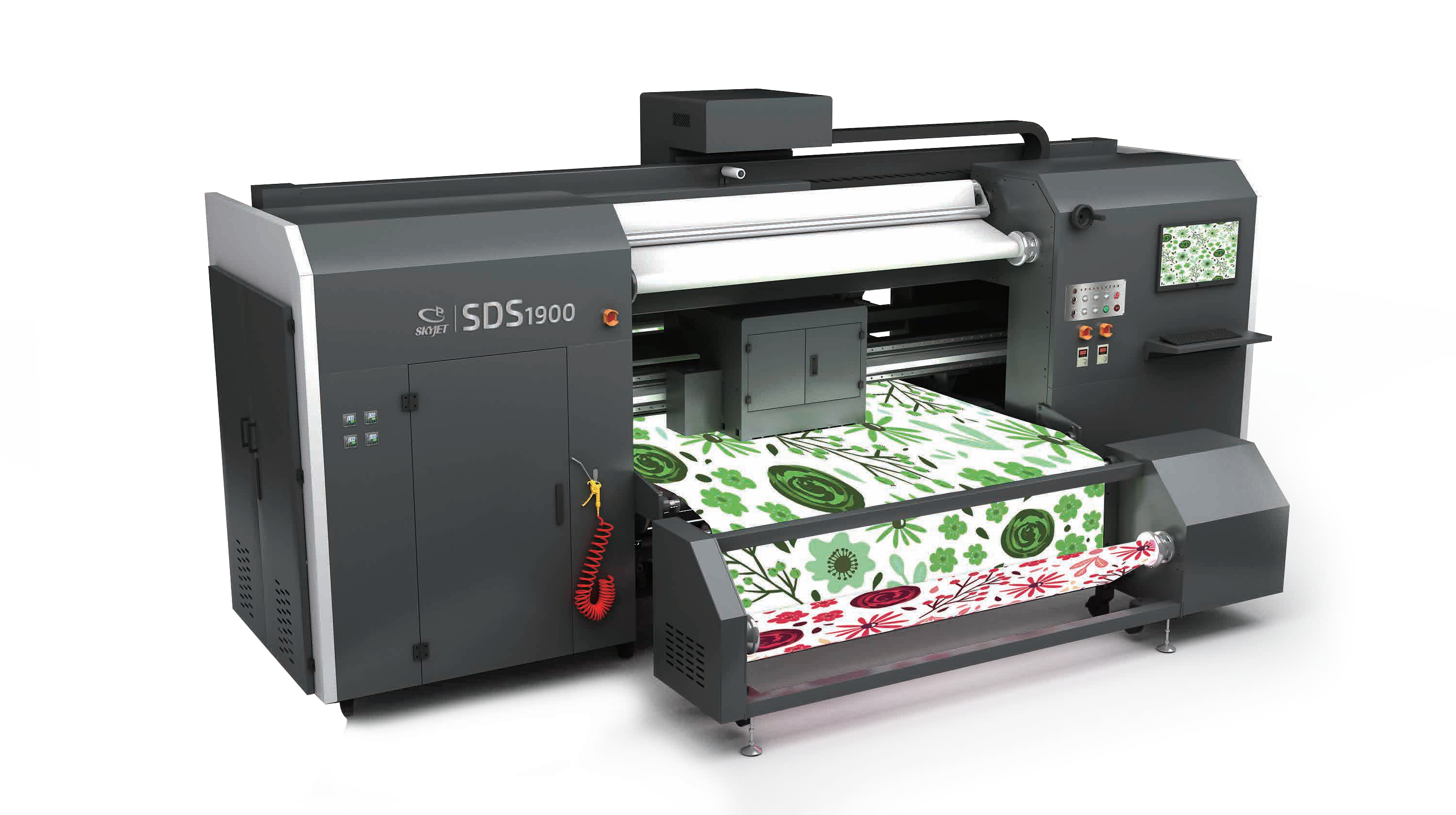
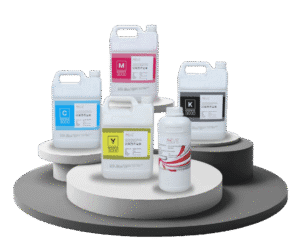
Once the file is ready, the sublimation printer prints the design onto coated sublimation transfer paper. These printers typically use CMYK sublimation inks designed specifically for heat transfer applications.
At this stage, the design exists only on paper. The ink remains on the surface of the paper and has not yet bonded with the fabric.
Step 2: Heat Transfer to Fabric
After printing, the sublimation paper moves to the heat transfer stage. This is where the actual fabric printing happens.
The printed paper and the fabric are passed together through a heat transfer machine, often called a calendar machine. Under high temperature and pressure, the sublimation ink converts from solid to gas.
This process is known as sublimation.
The ink vapour penetrates the fabric fibres and permanently bonds with the material. Once the fabric cools down, the colour becomes part of the fabric structure rather than sitting on its surface.
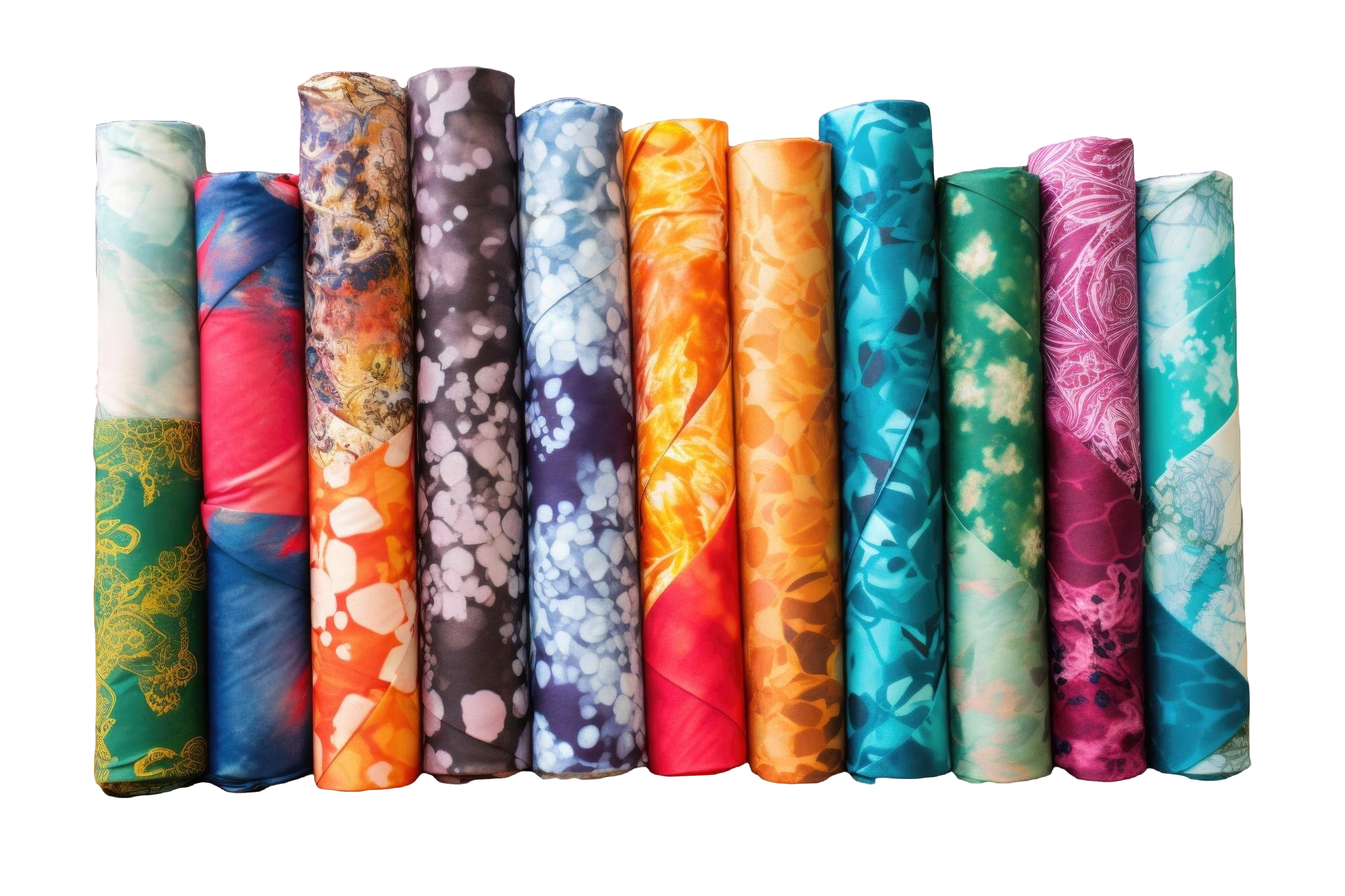
This results in prints that are vibrant, durable, and resistant to fading.
Why Sublimation Printing Uses Paper First
Many people wonder why sublimation printing uses paper instead of printing directly onto fabric.
The answer lies in control and consistency.
Printing on transfer paper allows manufacturers to:
- Maintain stable printing conditions
- Achieve precise ink placement
- Reduce fabric handling errors
- Improve overall production efficiency
The paper acts as an intermediate medium that ensures accurate colour transfer and consistent results.
Advantages of Sublimation Printing in Textile Production
Sublimation printing offers several benefits for textile manufacturers.
High Colour Vibrancy
The sublimation process allows dyes to penetrate the fibres of polyester fabrics. This produces bright, rich colours and excellent image clarity.
Long-Lasting Prints
Since the colour becomes part of the fabric, the prints do not crack, peel, or fade easily.
Smooth Fabric Finish
Unlike some traditional printing techniques, sublimation does not create a heavy ink layer on the fabric surface. The fabric remains soft and breathable.
Efficient Digital Workflow
Digital sublimation printing allows manufacturers to print complex designs quickly without preparing screens or plates.
This makes it ideal for short runs, customised designs, and fast-changing fashion trends.
Key Components in the Sublimation Printing Process
Several components work together to ensure a smooth sublimation printing workflow.
Sublimation Printer
Prints the design onto transfer paper using specialised sublimation inks.
Transfer Paper
Holds the printed design temporarily before heat transfer.
Heat Transfer Machine
Applies heat and pressure to transfer the design from paper to fabric.
RIP Software
Processes digital designs and manages colour accuracy and print settings.
Each step plays an important role in maintaining consistent print quality.
Conclusion
Sublimation printing works through a carefully controlled two-stage process. The design is first printed on sublimation paper and then transferred to fabric using heat and pressure.
This approach allows textile manufacturers to achieve vibrant colours, high precision, and reliable production efficiency.
From design preparation to final fabric output, each step in the sublimation workflow contributes to delivering consistent, high-quality printed textiles.