How to Achieve Consistent Shade Matching Across Bulk Orders
In textile manufacturing, producing a single perfect print sample is only the first step. The real challenge begins when the same shade must be reproduced consistently across thousands of meters of fabric. Maintaining shade matching in textile printing is critical for meeting buyer expectations, especially in export-oriented production. Even slight variations in color can lead to order rejections, reprocessing, or delays in dispatch. For textile manufacturers handling bulk orders, achieving consistent shade reproduction requires careful control across the entire printing process. Why Shade Consistency Matters in Bulk Production Buyers expect the approved sample shade to remain identical throughout the entire order. However, during bulk production, variations may occur due to changes in machine conditions, ink behaviour, or fabric characteristics. If shade consistency is not properly managed, manufacturers may experience: Consistent shade matching in textile printing therefore becomes essential for maintaining quality standards and operational reliability. Controlling Ink Performance Ink behaviour plays a significant role in color consistency. Variations in ink flow, droplet size, or ink compatibility can alter how color appears on fabric. Maintaining stable ink performance helps ensure that colors remain consistent across long production runs. Proper ink profiling and controlled consumption allow printers to reproduce shades accurately without unexpected shifts in tone. Machine Calibration and Print Settings Digital textile printers rely on precise calibration to maintain consistent output. Factors such as printhead alignment, droplet formation, and printing speed can influence color results. Regular calibration and controlled machine settings help stabilize the printing process, allowing manufacturers to maintain uniform shades across bulk orders. Fabric Preparation and Stability Fabric characteristics also affect shade reproduction. Differences in fabric preparation or surface conditions can influence how ink interacts with fibers. Ensuring consistent fabric preparation across production batches helps prevent unexpected shade variations during printing. When fabric stability is maintained, printers can achieve more reliable color results. Monitoring Production Conditions Environmental factors such as temperature and humidity may also influence color behaviour during printing. Monitoring these conditions helps production teams maintain stable operating environments and reduce variations in color output. Consistent monitoring allows manufacturers to quickly identify and correct potential deviations before they affect bulk production. Supporting Reliable Color Consistency Achieving consistent shade matching requires coordination between machines, ink performance, and production processes. When these elements are aligned, textile manufacturers can maintain stable color output across large production volumes. With its experience in digital textile printing systems and machine optimization, True Colors works closely with textile manufacturers to help maintain stable printing conditions that support consistent shade matching across bulk production runs. Conclusion Consistent shade reproduction is one of the most critical requirements in bulk textile production. Even small variations can impact quality approvals and buyer confidence. By focusing on stable ink behaviour, machine calibration, fabric preparation, and controlled production conditions, manufacturers can achieve reliable shade matching in textile printing across large orders. Maintaining this consistency ensures smoother production, fewer rejections, and stronger long-term relationships with buyers.
How Textile Units Can Increase Capacity Without Expanding Floor Space

In textile manufacturing, production capacity is often associated with larger factories and additional machinery. However, expanding floor space is not always practical. Rising real estate costs, infrastructure limitations, and operational disruptions can make physical expansion difficult. As a result, many manufacturers are now focusing on how to increase textile production capacity within their existing facilities. By optimizing machines, workflows, and production systems, textile units can significantly improve output without increasing their physical footprint. Optimizing Machine Performance One of the most effective ways to increase capacity is by improving the performance of existing equipment. Digital textile printers and finishing systems often have untapped efficiency. Proper calibration, optimized machine settings, and stable ink performance can increase printing speed and reduce downtime. When machines operate consistently at their optimal performance levels, factories can produce more output within the same operational hours. Reducing Production Bottlenecks Production delays often occur not because of machine limitations but because of workflow inefficiencies. Common bottlenecks include: By identifying and eliminating these bottlenecks, textile units can improve overall production flow and increase daily output. Improving Ink and Print Efficiency In digital textile printing, production capacity is not only defined by machine speed but also by operational efficiency. Optimized ink profiling and controlled consumption allow machines to operate more smoothly and reduce interruptions caused by ink-related issues. Stable ink performance ensures that printing lines maintain consistent production without frequent adjustments. Implementing Data-Driven Production Monitoring Modern textile factories benefit greatly from tracking production data. Monitoring parameters such as: helps managers identify inefficiencies and improve production planning. With better visibility into production performance, manufacturers can optimize workflows and increase capacity without adding equipment. Maximizing Multi-Shift Production Another effective strategy for increasing capacity is improving machine utilization across multiple shifts. When machines operate efficiently with minimal downtime, factories can extend production hours without needing additional space. This approach allows manufacturers to scale output while maintaining their existing infrastructure. Supporting Efficient Production Systems Increasing production capacity requires more than just faster machines. It requires a balanced system where equipment, ink performance, and technical support work together. Through its technical expertise and machine optimization approach, True Colors works with textile manufacturers to improve digital printing efficiency and help production lines achieve higher output within existing factory setups. Conclusion Expanding production capacity does not always require expanding factory space. By optimizing machines, eliminating bottlenecks, and improving production efficiency, textile units can significantly increase output within their current facilities. Understanding how to increase textile production capacity through smarter operations allows manufacturers to scale production while maintaining operational control and cost efficiency.
How to Maintain Print Head Health for Long-Term Performance
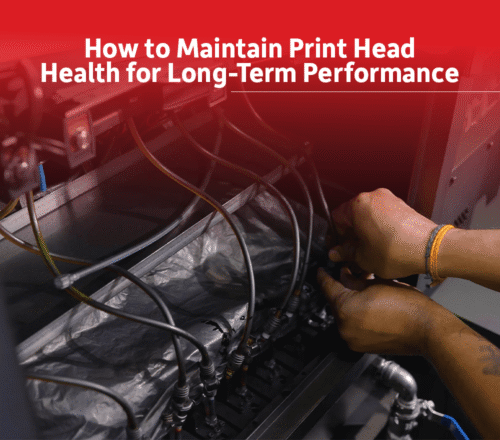
In digital textile printing, the printhead is one of the most critical components of the entire production system. Printhead maintenance in digital textile printing plays a vital role, as it controls how ink droplets are formed, placed, and distributed across the fabric surface. Even the most advanced digital printers depend heavily on consistent printhead performance. Without proper care, printheads can suffer from clogging, misfiring nozzles, or irregular droplet formation, all of which affect print quality and production efficiency. Understanding printhead maintenance in digital textile printing is therefore essential for manufacturers looking to maintain long-term machine reliability. Why Printhead Health Matters Printheads operate at extremely high precision. They are responsible for placing microscopic droplets of ink accurately onto the fabric. When printheads are functioning properly, manufacturers benefit from: However, when printhead health deteriorates, the printing process becomes unstable. Issues such as banding, color inconsistency, and reduced printing accuracy may begin to appear. Maintaining printhead health is therefore critical for protecting both production quality and operational efficiency. Common Factors That Affect Printhead Performance Several factors influence the condition and lifespan of printheads. Ink Quality and Compatibility Ink formulation plays a major role in printhead performance. Incompatible or poorly optimized ink may lead to nozzle blockages or irregular droplet formation. Environmental Conditions Temperature, humidity, and dust levels can also impact printhead stability. Controlled printing environments help reduce performance fluctuations. Machine Usage Patterns Frequent machine stoppages or irregular printing schedules may increase the risk of nozzle drying or clogging. Recognizing these factors helps manufacturers prevent many common printing issues before they affect production. Key Practices for Maintaining Printhead Health Maintaining stable printhead performance requires consistent operational practices. Regular Cleaning Cycles Routine cleaning helps remove ink residue and prevents nozzle blockage. Scheduled cleaning ensures that ink flows smoothly through the printhead. Correct Machine Calibration Proper calibration ensures that ink droplets are accurately deposited onto the fabric. Regular calibration checks maintain printing precision. Monitoring Ink Flow Maintaining proper ink flow prevents uneven droplet formation and helps keep the printhead functioning efficiently. Preventive Maintenance Periodic machine inspections help identify potential issues before they develop into serious production problems. These practices allow manufacturers to extend the operational life of their printheads. Long-Term Production Stability Digital textile printing lines are designed for continuous production. To maintain stable output across long production cycles, the entire printing system must operate efficiently. Healthy printheads contribute directly to: Maintaining printhead health therefore becomes an important part of overall production management. Supporting Reliable Machine Performance Maintaining printhead health often requires both technical understanding and proper system monitoring. Factors such as ink behaviour, machine calibration, and environmental conditions must be managed carefully. Through its technical expertise and machine-level support, True Colors works with textile manufacturers to help maintain stable printing performance and reliable long-term machine operation. Conclusion Printheads are at the heart of digital textile printing. Their performance directly affects print quality, machine stability, and production efficiency. By focusing on proper printhead maintenance in digital textile printing, manufacturers can extend machine lifespan, maintain consistent output, and reduce unexpected production disruptions. Protecting printhead health ultimately ensures that digital printing systems continue delivering reliable results over time.
Why Ink Compatibility Matters More Than Most Printers Realize
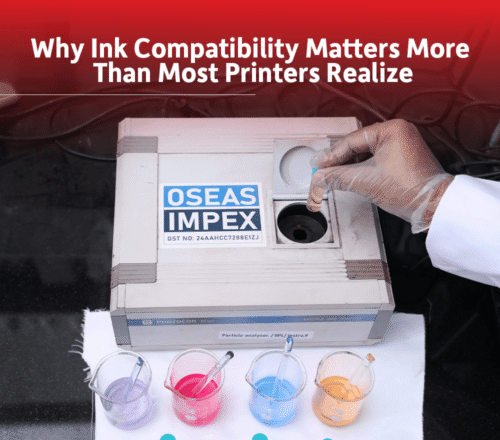
In digital textile printing, many manufacturers focus heavily on machine specifications, printhead technology, and production speed. However, ink compatibility in digital textile printing is one critical factor that often receives less attention than it deserves. In reality, ink compatibility in digital textile printing can directly affect machine performance, print quality, and overall production efficiency. Even the most advanced printers cannot deliver consistent results if the ink is not properly matched with the system. Understanding this relationship helps textile manufacturers avoid costly inefficiencies and maintain stable production. The Role of Ink in Digital Printing Systems Ink is not simply a consumable component. It interacts directly with several critical elements of the printing system, including: If the ink formulation does not align with these components, the entire printing process can become unstable. As a result, printers may experience variations in color output, increased maintenance cycles, or inconsistent production results. How Poor Ink Compatibility Impacts Production When ink is not properly optimized for a machine, several issues can arise during production. Printhead Performance Issues Printheads require precise droplet formation for accurate ink placement. Incompatible inks may lead to irregular droplet behaviour, affecting print sharpness and detail reproduction. Increased Maintenance and Cleaning Poor ink compatibility can increase nozzle blockages and require frequent cleaning cycles. This not only interrupts production but also reduces overall machine efficiency. Inconsistent Color Output Different machines may respond differently to the same ink. Without proper compatibility, manufacturers may struggle to maintain consistent shades across production batches. Higher Operational Costs Inefficient ink performance often leads to increased ink consumption and unexpected production interruptions, which ultimately raise the cost per meter. Why Machine-Specific Ink Optimization Matters Digital textile printing machines operate with unique technical configurations. Printhead types, ink delivery systems, and printing speeds vary across different models. Because of these differences, achieving stable ink performance often requires machine-specific optimization and calibration. Careful evaluation of machine settings, ink behaviour, and production conditions helps ensure that the printing system performs consistently across long production runs. Supporting Consistent Ink Performance Maintaining reliable ink compatibility requires a deeper understanding of both the machine and the printing process. Factors such as ink formulation, profiling, and system calibration all influence how ink behaves during production. Through technical expertise and machine-level analysis, True Colors works with textile manufacturers to ensure that ink performance remains stable across different printing environments. This approach helps production lines achieve consistent output while maintaining machine efficiency. Conclusion In digital textile printing, machine technology alone cannot guarantee reliable output. Ink compatibility plays an equally important role in determining production stability and print quality. By ensuring proper ink compatibility in digital textile printing, manufacturers can reduce operational disruptions, maintain consistent color results, and improve overall production efficiency. Understanding this relationship allows textile printers to move beyond basic machine performance and focus on building a truly optimized digital printing ecosystem.
How True Colors Ensures Consistent Ink Performance Across Machines
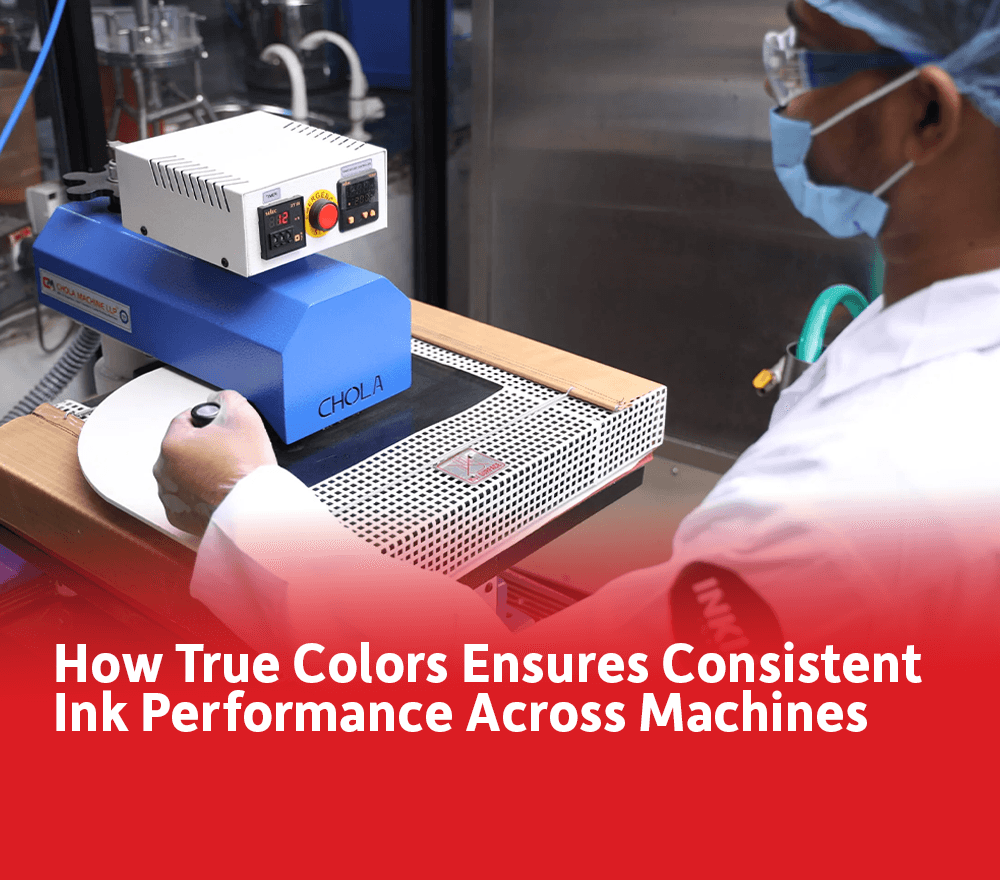
In digital textile printing, ink performance plays a critical role in determining print quality, production efficiency, and overall operational stability. However, maintaining consistent ink performance across different machines can be a major challenge for textile manufacturers. Different printer brands, printhead technologies, and machine configurations can lead to variations in ink consumption, color output, and production efficiency. This is where True Colors brings its expertise, helping textile manufacturers achieve stable and optimized ink performance across machines. Why Ink Consistency Matters in Digital Textile Printing Ink is more than just a consumable in digital printing. It directly affects: When ink behaviour changes across machines, factories often face issues such as inconsistent shades, higher ink consumption, and unpredictable production costs. Through its specialized approach, True Colors works closely with textile manufacturers to ensure that ink performance remains consistent regardless of the machine being used. Ink Profiling for Different Machine Configurations One of the biggest reasons for inconsistent ink performance is incorrect profiling. Different machines may use different: Without proper configuration, the same ink may behave differently on each machine. True Colors addresses this challenge by carefully profiling ink settings according to each machine’s technical configuration. This ensures controlled ink flow, accurate droplet placement, and optimized consumption. Machine-Specific Optimization Digital printing machines are highly sensitive systems. Even small variations in machine parameters can impact ink behavior. To overcome this, True Colors engineers analyze machine settings directly on-site and adjust parameters to achieve the most efficient ink performance. This process includes: As a result, textile manufacturers can achieve consistent output quality and predictable production costs. Data-Driven Ink Performance Monitoring Consistency in digital printing cannot rely on assumptions. It requires continuous monitoring and data-based adjustments. True Colors uses a practical approach by studying: This allows the team to fine-tune settings and ensure that ink performs reliably across different production lines. Reliable Supply and Service Support Consistent ink performance also depends on stable supply and responsive technical support. True Colors supports textile manufacturers with: With a strong service network, True Colors ensures that printing operations remain stable and uninterrupted across production cycles. Conclusion Achieving consistent ink performance across machines is not just about choosing the right ink. It requires the right combination of technology, technical expertise, and continuous optimization. True Colors helps textile manufacturers achieve this balance by providing optimized ink solutions, machine-specific profiling, and strong technical support. For textile units aiming to improve print quality, reduce ink consumption, and maintain stable production, True Colors becomes a trusted partner in optimizing digital textile printing performance.
KONICA MINOLTA Nassenger: When Only Premium Output Matters
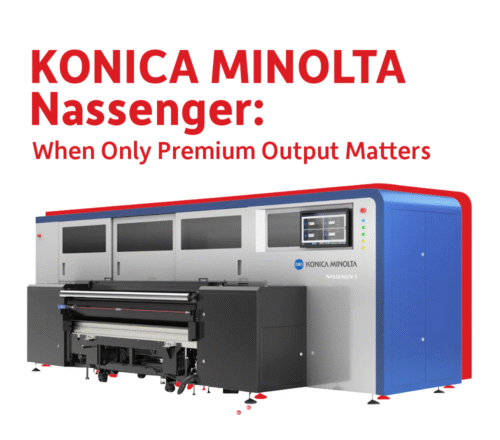
In digital textile printing, certain applications demand more than just speed. Premium textile production requires exceptional color accuracy, high-resolution detail, and consistent output across large production runs. The Konica Minolta Nassenger textile printer series, including models like the Nassenger 8 and Nassenger 10e, is built for exactly these requirements. Through advanced inkjet technology and industrial engineering, these systems deliver the performance needed for high-end textile printing. Designed for Premium Textile Applications Premium fabrics often require complex designs, rich colors, and sharp detail production. The Nassenger series addresses these needs with high-precision inkjet technology and flexible printing modes. These printers support: This makes the Nassenger platform suitable for textile manufacturers producing high-value fabrics and export-grade materials. Advanced Printhead Technology One of the defining strengths of the Nassenger printers is their advanced printhead architecture. For example, the Nassenger 10e uses up to 72 inkjet printheads (81 optional), each with 1,024 nozzles, enabling high-density droplet placement and exceptional image precision. Similarly, the Nassenger 8 offers flexible configurations with multiple printheads arranged across color channels to balance speed and quality. This multi-head configuration allows the printers to deliver detailed printing while maintaining industrial-scale productivity. High-Speed Industrial Performance Premium quality does not mean sacrificing speed. The Nassenger 10e can achieve maximum production speeds exceeding 1,100 m² per hour, enabling large-scale textile production without compromising output precision. Additionally, the machines include advanced print modes that allow manufacturers to balance speed and quality depending on production requirements. This flexibility makes the Nassenger printers suitable for both high-volume runs and intricate design work. Stability for Continuous Production Industrial textile factories require machines that can operate reliably over extended production cycles. To support this, the Nassenger printers include: These technologies reduce downtime and ensure stable production throughout long manufacturing runs. Designed for Modern Textile Manufacturing The Nassenger series also incorporates practical operational features that simplify production management. These include: Together, these features support efficient digital textile production in modern manufacturing environments. Conclusion In textile printing, premium output depends on precision, stability, and advanced engineering. The Konica Minolta Nassenger textile printer series combines all three. For manufacturers focused on high-end textile production, these systems deliver the quality and productivity needed to compete in global markets. True Colors supports textile manufacturers with advanced digital printing technologies that enable consistent, high-quality production at scale.
Fabric Pre-Treatment: Why It Affects Final Output Quality
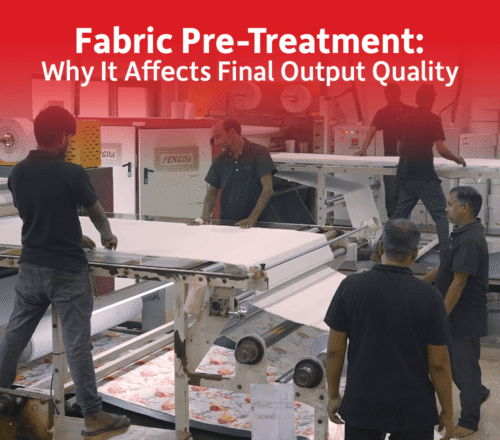
In digital textile printing, many focus on machines, ink, and speed.But the journey of quality actually begins before printing starts. Fabric pre-treatment in digital printing plays a decisive role in determining color vibrancy, sharpness, and overall output consistency. No matter how advanced the printer is — untreated or poorly prepared fabric can compromise the final result. What Is Fabric Pre-Treatment? Pre-treatment refers to preparing the fabric surface before digital printing. This process ensures that the fabric is: Pre-treatment creates the foundation that allows ink to bond correctly with fibers. Why Pre-Treatment Directly Impacts Output Quality Ink Absorption Control If the fabric absorbs ink unevenly, it may cause: Proper pre-treatment ensures controlled ink penetration for sharper output. Color Accuracy & Vibrancy Digital printing depends on precise droplet placement.If the fabric surface reacts inconsistently, shade variation occurs. Effective fabric pre-treatment in digital printing helps: This is especially critical for export-quality textile production. Reduced Ink Consumption When fabric absorbs ink excessively due to poor preparation, it increases: Correctly prepared fabric optimizes ink usage and supports better cost control. Improved Wash & Durability Performance Pre-treatment also influences: Without proper preparation, prints may fade faster or lose clarity after washing. The Hidden Cost of Ignoring Pre-Treatment Skipping or underestimating pre-treatment can lead to: Even with advanced machines, untreated fabric becomes a production bottleneck. Aligning Fabric, Ink & Machine for Best Results Digital textile printing works best when: All three elements must function together for stable, repeatable results. When pre-treatment is controlled, the printing system performs at its full potential. Conclusion In digital textile production, final output quality is not determined at the printer — it begins with fabric preparation. Fabric pre-treatment in digital printing directly affects color accuracy, ink control, durability, and cost efficiency. For textile manufacturers aiming to maintain high production standards, pre-treatment is not a background process — it is a quality foundation. From preparation to final print, excellence is built step by step. True Colors supports textile manufacturers with advanced digital printing solutions that ensure reliable and consistent production results.
PENGDA Calendar Machine: The Backbone of Sublimation Printing
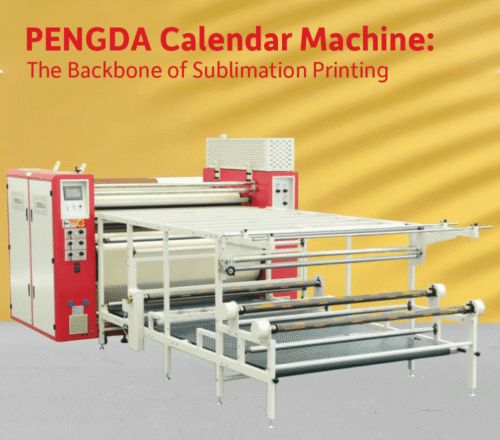
In sublimation printing, the final output does not depend only on the printer.The real transformation happens during heat transfer. This is where the PENGDA calendar machine plays a critical role in textile production. Designed for controlled heat fixation and consistent transfer, it becomes the backbone of reliable sublimation printing operations. Why Calendar Fixation Matters in Sublimation Sublimation printing involves: The fixation stage determines: Even if the digital print is perfect, improper heat transfer can compromise final output quality. The Role of the PENGDA Calendar Machine The PENGDA calendar machine ensures stable and uniform heat distribution across the fabric width. Key operational focus areas include: This consistency directly impacts the clarity and depth of sublimation prints. Industrial Stability for Continuous Production High-volume sublimation units require machines that support: The PENGDA calendar machine supports stable fixation cycles, helping factories maintain consistent output during bulk production. Without stable heat control, production may face: Impact on Cost Per Meter Sublimation printing efficiency is not just about speed.It is about minimizing rework and wastage. Proper fixation through a stable calendar system helps: When transfer quality is consistent, cost per meter remains predictable. Supporting Export-Quality Sublimation Production For exporters, batch consistency is critical. A stable fixation system ensures: The PENGDA calendar machine supports textile units aiming to maintain export-grade sublimation standards. Conclusion In sublimation printing, the digital printer creates the design — but the calendar machine completes the process. The PENGDA calendar machine serves as the backbone of sublimation production by delivering consistent heat transfer, stable fixation, and reliable output quality. For textile manufacturers scaling sublimation operations, fixation stability is not optional — it is foundational.
From Greige to Great: Understanding the Real Journey of Printed Fabrics
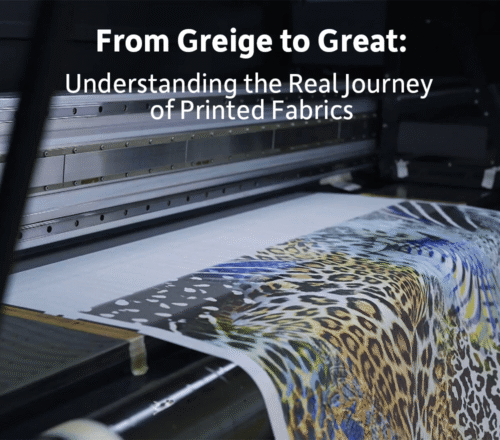
The journey of a printed fabric begins long before the printing machine starts running. In textile manufacturing, the transformation from greige fabric to finished printed fabric involves a series of carefully controlled steps. Each stage in the printed fabric production process directly influences color accuracy, fabric quality, and overall production efficiency. Understanding this journey helps textile manufacturers maintain consistent output and meet the demanding standards of modern fabric production. What Is Greige Fabric? Greige fabric is the raw, unfinished fabric that comes directly from the weaving or knitting process. At this stage, the fabric still contains: Because of these elements, greige fabric is not ready for printing. It must first go through preparation processes that make it suitable for digital or sublimation printing. Stage 1: Fabric Preparation Before printing begins, greige fabric undergoes several preparation treatments. These processes may include: The purpose of this stage is to create a clean and uniform surface that can properly absorb ink. If preparation is inconsistent, printing may result in: Proper preparation ensures that the fabric is ready for precise printing. Stage 2: Digital Printing Once the fabric is prepared, it moves to the digital printing stage. Here, advanced textile printers apply ink directly onto the fabric surface with controlled droplet precision. Digital printing offers several advantages: At this stage, factors such as machine calibration, ink compatibility, and fabric stability all influence the quality of the printed output. Stage 3: Fixation and Color Development Printing alone does not permanently bond the color to the fabric. The printed fabric must go through a fixation process where heat or steam helps the dye penetrate and bond with the fibers. This stage determines: Proper fixation ensures that the printed design becomes a permanent part of the fabric structure. Stage 4: Washing and Finishing After fixation, the fabric typically undergoes washing and finishing processes. This stage removes excess chemicals and enhances the final fabric properties. Common finishing treatments may include: These steps help achieve the final appearance and feel required for commercial textile applications. Why Understanding the Full Journey Matters Many textile manufacturers focus primarily on printing speed or machine performance. However, the quality of the final product depends on the entire printed fabric production process. When every stage—from greige preparation to finishing—is properly controlled, manufacturers achieve: Understanding the full journey ensures that every meter of printed fabric meets the required production standards. Conclusion The transformation from greige fabric to finished printed fabric is a carefully managed process. Each stage – preparation, printing, fixation, and finishing—plays a critical role in determining the final output quality. By understanding the printed fabric production process, textile manufacturers can maintain better production control, improve consistency, and deliver reliable printed fabrics at scale. From greige to great, the journey of printed fabrics is defined by precision at every step.
Why After-Sales Support Is Critical in Digital Printing
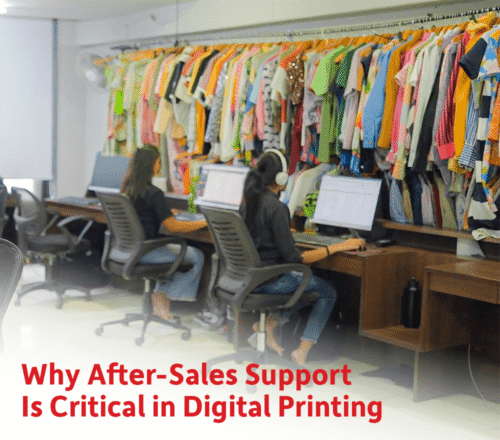
Investing in a digital textile printing machine is not just a purchase — it is a long-term operational commitment. In high-volume textile production environments, downtime is expensive. Even a few hours of machine stoppage can impact delivery schedules, export commitments, and buyer relationships. This is why digital printing after-sales support plays a critical role in industrial success. Technology may power production, but support sustains it. The Reality of Industrial Digital Printing Modern digital textile printers operate with: Such systems require technical oversight and timely intervention to maintain peak performance. Without structured support, small technical issues can escalate into major production delays. Machine Downtime Directly Impacts Profitability In textile factories, production runs are planned around: When technical disruptions occur and support is delayed, the consequences include: Strong digital printing after-sales support ensures that technical issues are resolved quickly, minimizing operational interruptions. Key Areas Where After-Sales Support Matters Technical Assistance Immediate troubleshooting for printhead, ink flow, calibration, and mechanical systems. Preventive Maintenance Scheduled inspections and system checks reduce unexpected breakdowns. pare Parts Availability Fast access to genuine components prevents prolonged downtime. Operator Training Well-trained staff reduce machine errors and improve production efficiency. In digital textile printing, long-term reliability depends as much on support systems as on machine specifications. Protecting Print Quality Over Time Over extended production cycles, minor calibration shifts can affect: Without timely service, print quality may degrade gradually — affecting export-grade standards. Consistent digital printing after-sales support ensures that machines continue to deliver stable performance even after years of operation. Long-Term Partnership Over One-Time Purchase For textile manufacturers, machine investment decisions are based on: A strong after-sales framework transforms a supplier into a long-term operational partner. In industrial textile printing, success is not defined only by installation — but by sustained performance over thousands of production hours. Conclusion Digital textile printing is a high-precision, high-speed industry where operational continuity defines profitability.Export-quality textile production demands more than speed — it demands precision. Digital printing after-sales support is critical because it safeguards machine uptime, protects output quality, and ensures predictable production cycles. For textile manufacturers scaling their operations, strong support systems are not an added benefit — they are an operational necessity.