Cotton Printing Needs the Right Ink Approach
Cotton is one of the most widely used fabrics in fashion, home textiles, and lifestyle products. But printing on cotton requires careful process selection.
Two common approaches for cotton fabric printing are reactive printing and pigment printing.
Both methods are used in the textile industry, but they serve different requirements. For modern textile brands, the choice depends on color depth, feel, wash performance, process complexity, production speed, and final application.
Understanding reactive vs pigment printing helps manufacturers and brands make better production decisions.
What Is Reactive Printing?
Reactive printing is widely used for natural fibers like cotton. In this process, the dye chemically bonds with the fiber, which helps produce good color brightness and wash performance.
Reactive printing is often preferred when brands require rich colors, soft fabric feel, and strong durability.
However, reactive printing usually requires pre-treatment, steaming, washing, and finishing. This makes the workflow longer and more process-dependent.
For manufacturers, reactive printing can deliver high-quality results, but it needs proper infrastructure and process control.
What Is Pigment Printing?
Pigment printing works differently. Instead of chemically bonding with the fiber, pigment color sits on the fabric surface with the help of binders.
Pigment printing is often considered simpler because it may reduce some process steps compared to reactive workflows.
It can be useful for faster production, fashion applications, and certain cotton printing needs.
However, pigment printing quality depends heavily on ink, binder performance, curing, fabric type, and desired feel.
If the process is not controlled properly, manufacturers may face issues like rough hand feel, lower rubbing fastness, or uneven output.
Which Method Works Better for Brands?
There is no single answer for all cotton printing requirements.
Reactive printing may be better when the brand wants deep colors, soft feel, and high wash performance.
Pigment printing may be better when the brand needs faster workflow, design flexibility, and process simplicity.
The final decision depends on:
fabric construction,
design type,
order quantity,
wash requirement,
hand feel expectation,
production timeline,
and cost structure.
Modern textile brands should choose the printing method based on product use and quality expectation, not only on price.
Why Testing Is Important Before Bulk Production
Before choosing reactive or pigment printing for large production, manufacturers should always test.
Sampling helps check color result, fabric feel, wash behavior, print sharpness, and finishing compatibility.
A method that works well on one cotton fabric may not give the same result on another fabric.
This is why textile printing should be treated as a controlled production process. The right combination of fabric, ink, machine, and finishing determines final success.
Conclusion
Reactive and pigment printing both have important roles in cotton fabric printing. Reactive printing is known for strong color depth and wash performance, while pigment printing can support simpler and faster workflows in many applications.
For modern textile brands, the right choice depends on the final product, customer expectation, and production setup.
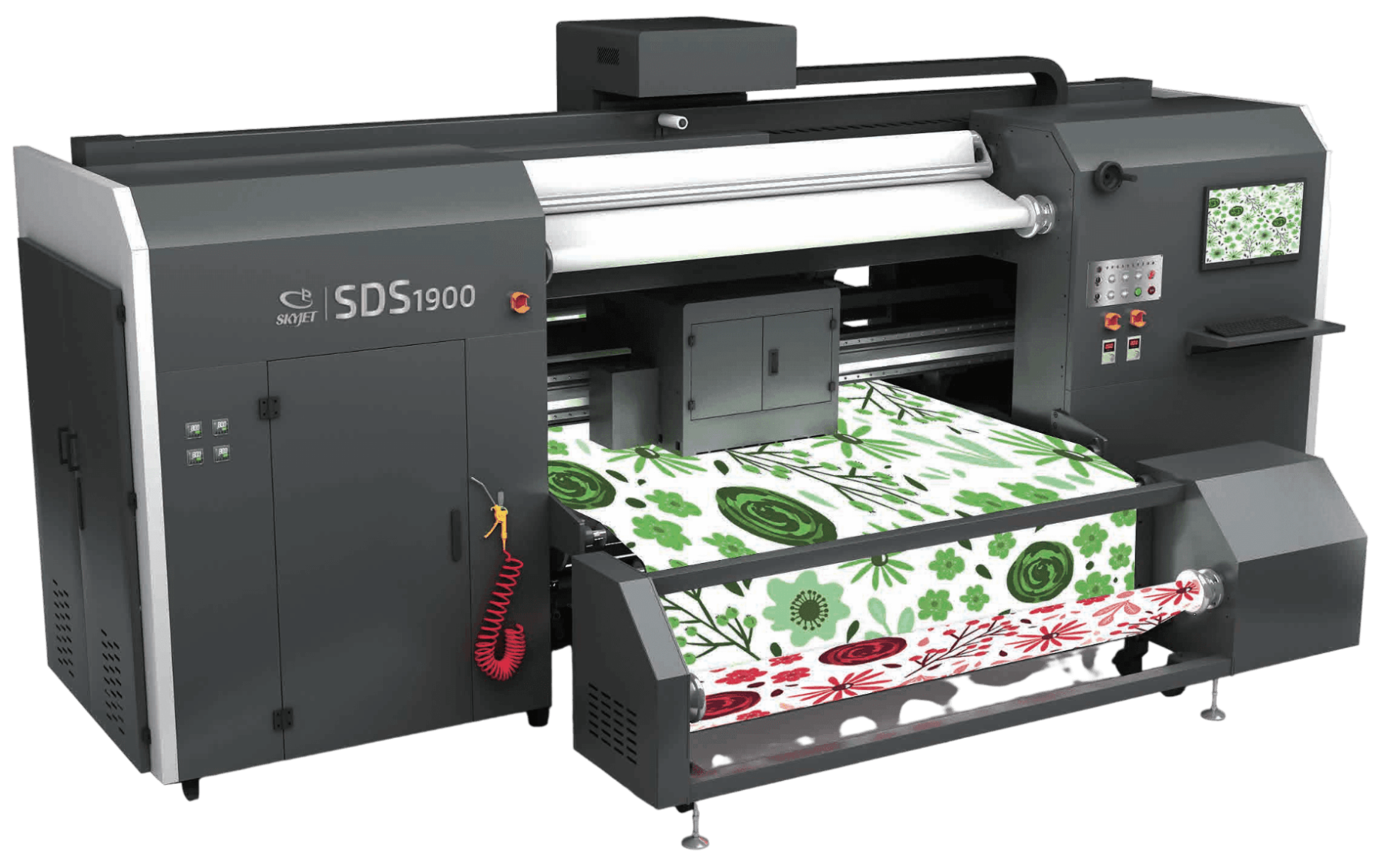
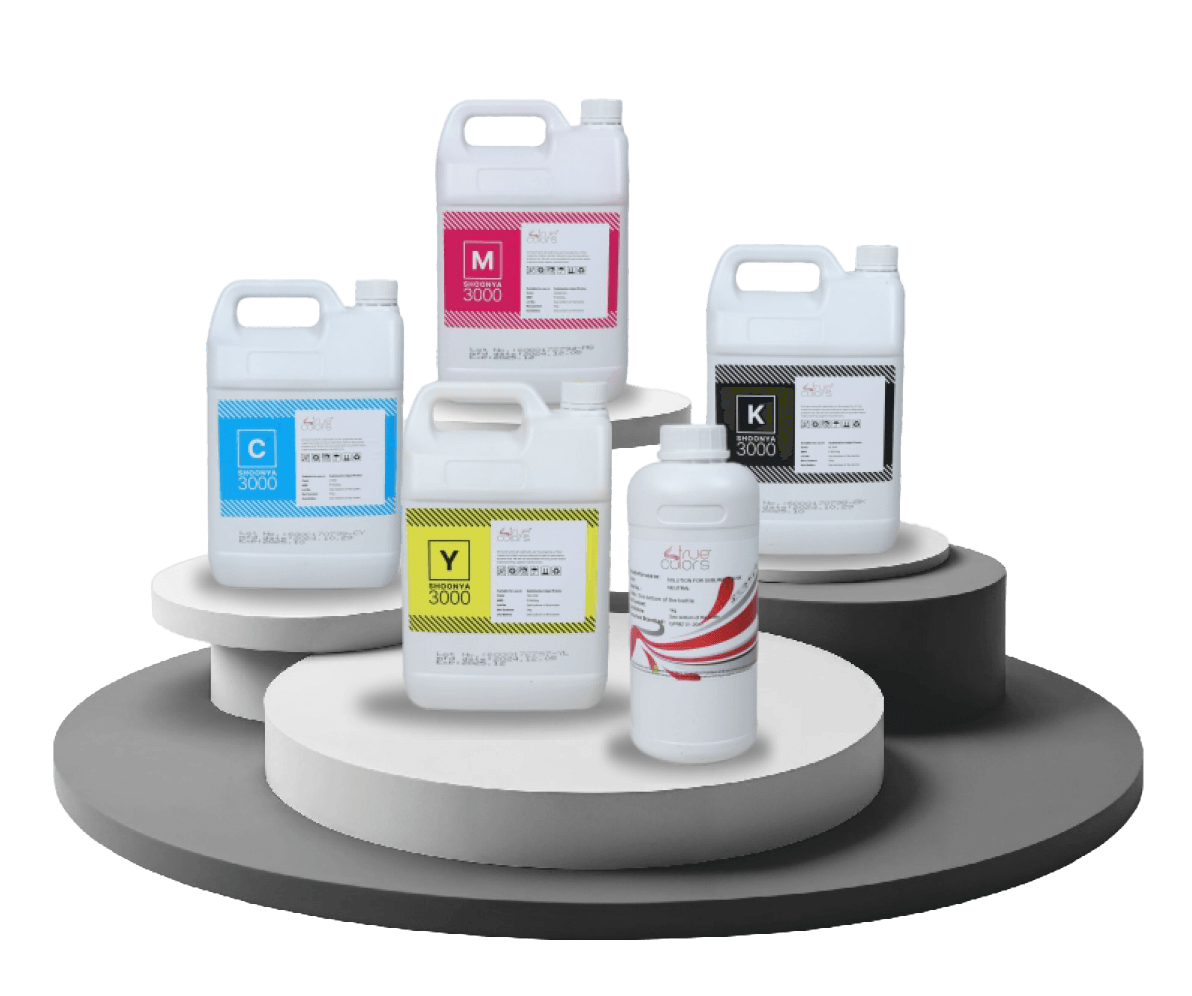
True Colors supports textile manufacturers through a complete digital printing ecosystem that includes machines, fabrics, Inkia by True Colors inks, True Colors Sublimation Paper, and strong technical support. This ecosystem-driven approach helps businesses select solutions based on real production needs rather than isolated product choices.
With TRUE TEAM’s service support, True Colors helps manufacturers improve process understanding, machine reliability, and production consistency across different textile printing requirements.