Every Fabric Needs a Different Printing Understanding
In textile production, fabric selection is one of the first decisions that affects final print quality. A design may look strong digitally, but its final appearance depends heavily on the fabric on which it is printed.
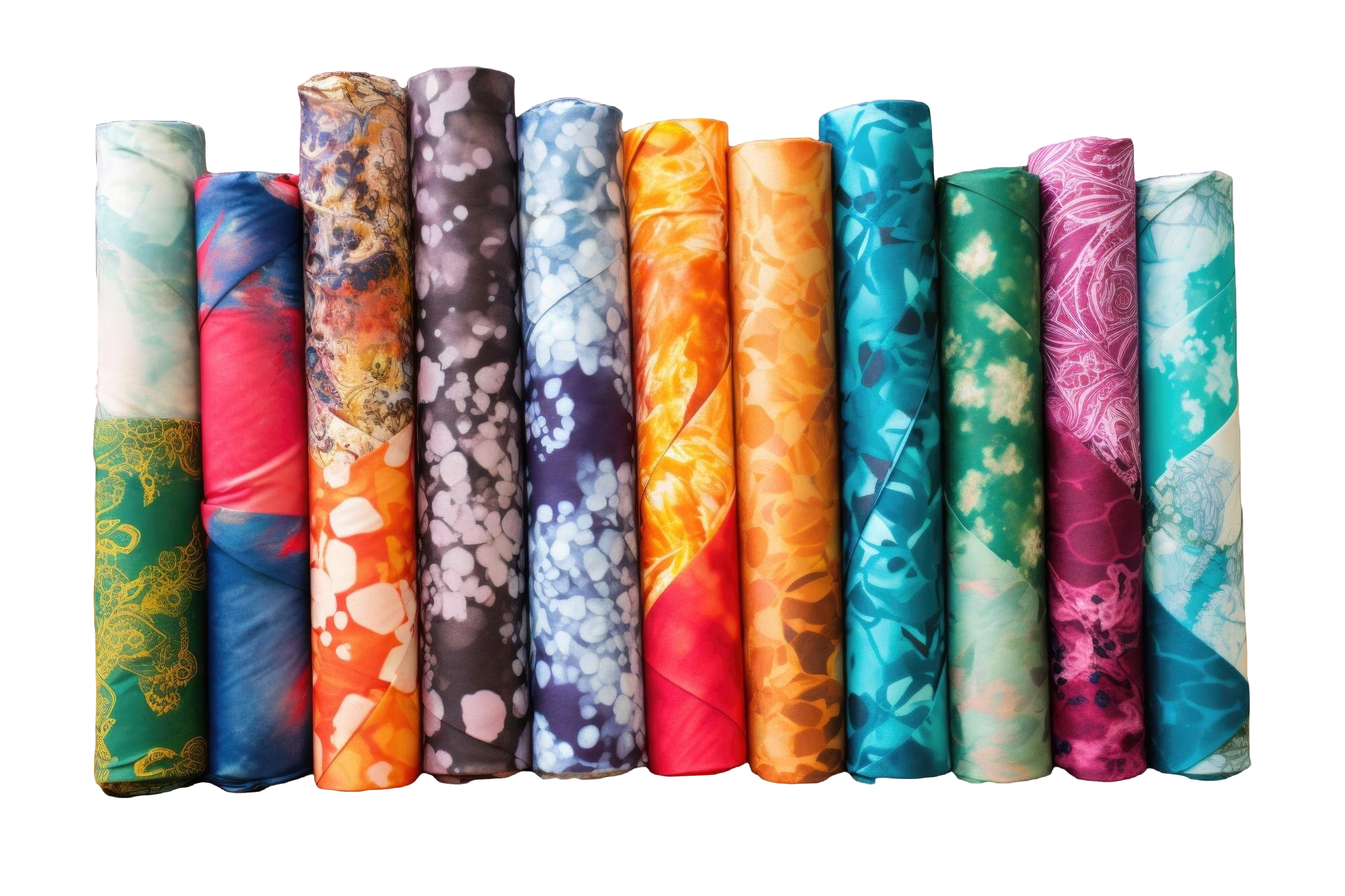
Digital printing for different fabrics requires a clear understanding of how polyester, cotton, blends, viscose, and other materials react during printing and finishing.
No single printing route works equally well for every fabric. The right method depends on fiber type, surface texture, ink compatibility, production process, and final product use.
Manufacturers who understand fabric behavior can avoid many quality issues before bulk production begins.
Polyester Printing Often Works Well with Sublimation
Polyester is widely used in sportswear, fashion, flags, advertising fabrics, home textiles, and soft signage. For many polyester-based applications, sublimation printing is a preferred method because it allows color to transfer into the fabric using heat.
Sublimation can deliver bright colors and clean output when the machine, ink, sublimation paper, and transfer process are properly aligned.
However, polyester fabric quality still matters. Fabric construction, coating, weight, moisture, and finishing can all influence the result.
A good sublimation output depends on much more than just the printer.
Cotton Requires a Different Approach
Cotton behaves differently from polyester. Since it is a natural fiber, it usually needs a different ink system and processing route.
Pigment or reactive printing may be used depending on the required output, hand feel, color depth, durability, and production workflow.
Cotton printing often requires careful fabric preparation and finishing. If the process is not controlled, the fabric may show dull color, poor sharpness, uneven absorption, or weak performance.
For cotton-based products, manufacturers should test fabric, ink, and finishing together before moving into bulk production.
Blended Fabrics Need Extra Care
Blended fabrics can be more complicated because they contain more than one fiber type. A fabric that includes polyester and cotton, for example, may not respond fully like pure polyester or pure cotton.
The printing method must be selected based on the blend composition and final application.
Manufacturers should not assume that a process suitable for one blend will automatically work on another. Testing is important because color output, hand feel, fastness, and finishing behavior can change from fabric to fabric.
Blended fabrics require a more practical and production-focused approach.
Final Application Should Guide the Decision
The right printing route depends not only on fabric type but also on how the fabric will be used.
A fabric for sportswear may need stretch comfort, color durability, and sweat resistance. A curtain fabric may need visual impact and light stability. A fashion scarf may require softness and detail. A promotional banner may need sharp color and easy handling.
Printing decisions should therefore begin with the final product requirement.
When manufacturers match fabric, ink, process, and application correctly, the final output becomes more reliable.
Conclusion
Digital printing for different fabrics requires more than choosing a machine setting. Polyester, cotton, blended fabrics, and specialty materials each need the right printing route, ink system, and process control.
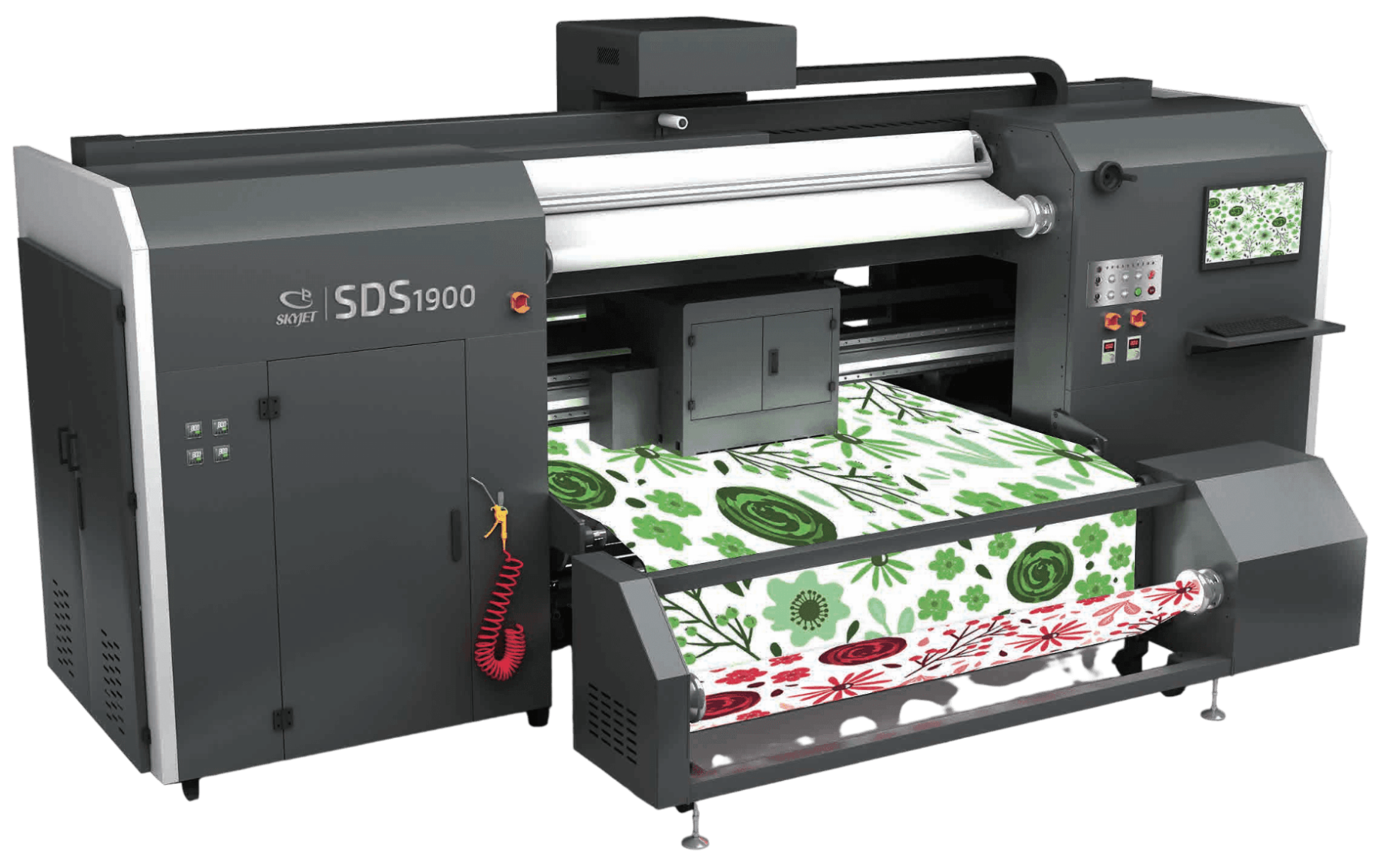
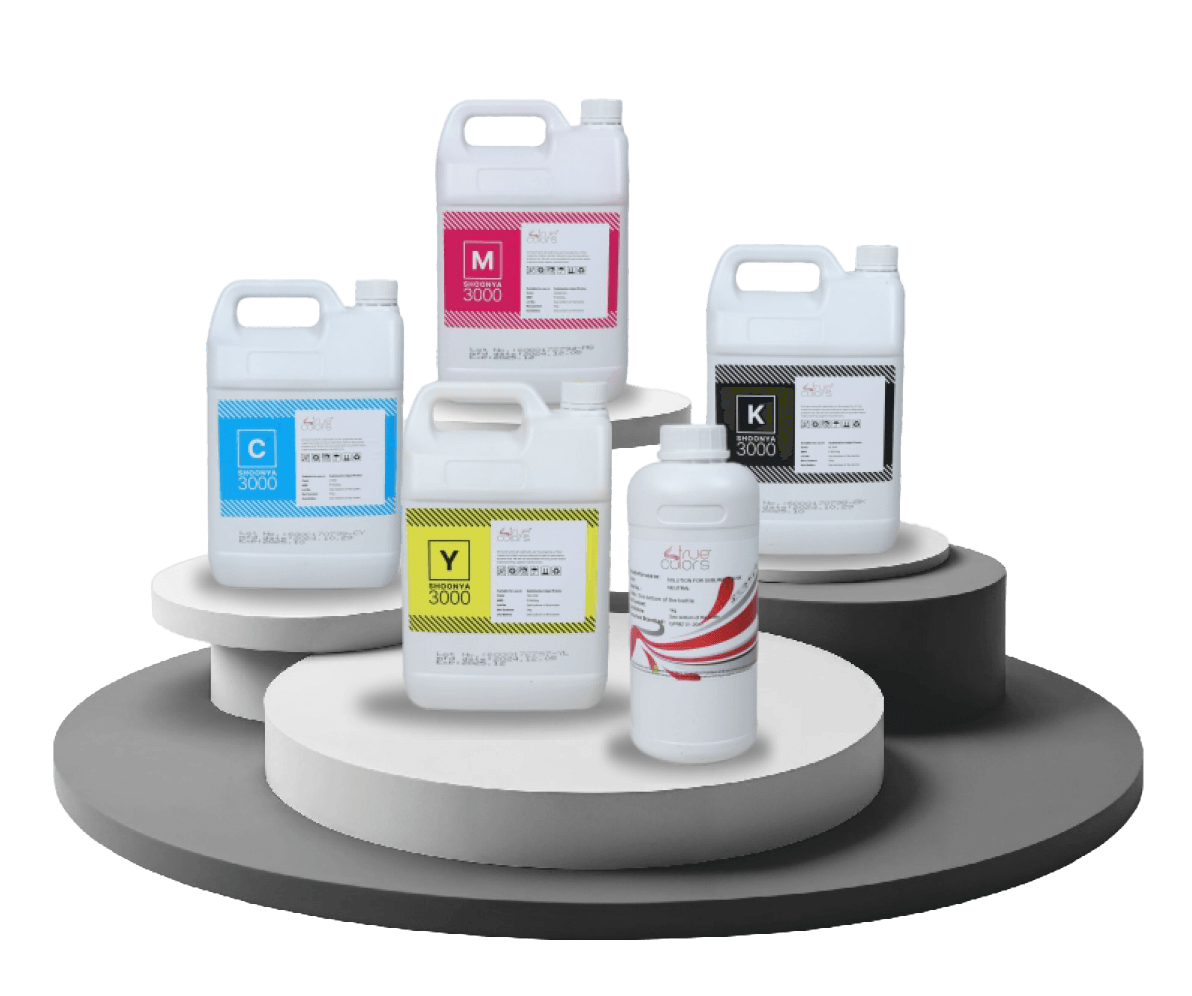
True Colors can help manufacturers make these decisions with a wider production understanding. Through digital textile printing machines, Inkia by True Colors inks, True Colors Sublimation Paper, fabrics, and technical guidance, True Colors supports businesses in matching fabric requirements with practical printing solutions.
For manufacturers working across multiple fabric categories, True Colors offers the advantage of looking at fabric printing as a complete process rather than a one-method solution.