Kidswear Printing Requires Extra Care
Kidswear is a sensitive category in textile production. The fabric must look attractive, feel comfortable, and perform well during regular use. Prints for kidswear often use playful colors, small motifs, character-inspired artwork, seasonal themes, and soft fabric bases.
Digital printing for kidswear fabrics gives brands and manufacturers flexibility to create varied designs without depending on very large production runs.
However, kidswear printing should be approached with extra care. The final fabric should not only look good. It should be comfortable for the child, suitable for garment use, and consistent during production.
Fabric Comfort Is a Priority
Kidswear fabrics are expected to feel soft and comfortable. Rough texture, heavy print feel, poor finishing, or stiff surface behavior can reduce product appeal.
Before selecting a printing process, manufacturers should evaluate the fabric type, ink system, finishing requirement, and final garment use.
Cotton, blends, and polyester-based fabrics may each need different printing routes depending on the product.
The goal should be to create prints that support both visual appeal and comfort.
Colors Must Stay Consistent Across Sets
Kidswear collections often include multiple garments, coordinated prints, or repeated designs across sizes. If the shade changes between batches, the collection may look inconsistent.
Digital printing can support detailed and colorful artwork, but repeat consistency depends on ink stability, machine settings, fabric control, and production discipline.
Manufacturers should maintain approved samples and standard production settings so that repeat lots stay closer to the expected output.
Small Motifs Need Sharp Printing
Kidswear designs often include small elements, fine details, and playful patterns. These designs need print sharpness and clean edges.
If file preparation, fabric surface, machine control, or ink behavior is not suitable, small motifs may appear blurred or unclear.
Good digital printing helps maintain detailing when the workflow is controlled properly.
For kidswear brands, sharp and clean printing improves product finish and customer appeal.
Production Testing Reduces Risk
Before bulk printing kidswear fabrics, manufacturers should test print output, fabric feel, washing behavior, shrinkage, and finishing result.
Testing helps identify whether the selected process is suitable for the intended product.
Since kidswear products are used frequently and washed often, production teams should not rely only on the first visual impression of the print.
A controlled testing process helps reduce rejection and improves confidence before production begins.
Conclusion
Digital printing for kidswear fabrics supports colorful designs, short runs, coordinated collections, and flexible production. However, the process must give equal importance to comfort, fabric choice, print sharpness, color consistency, and careful testing.
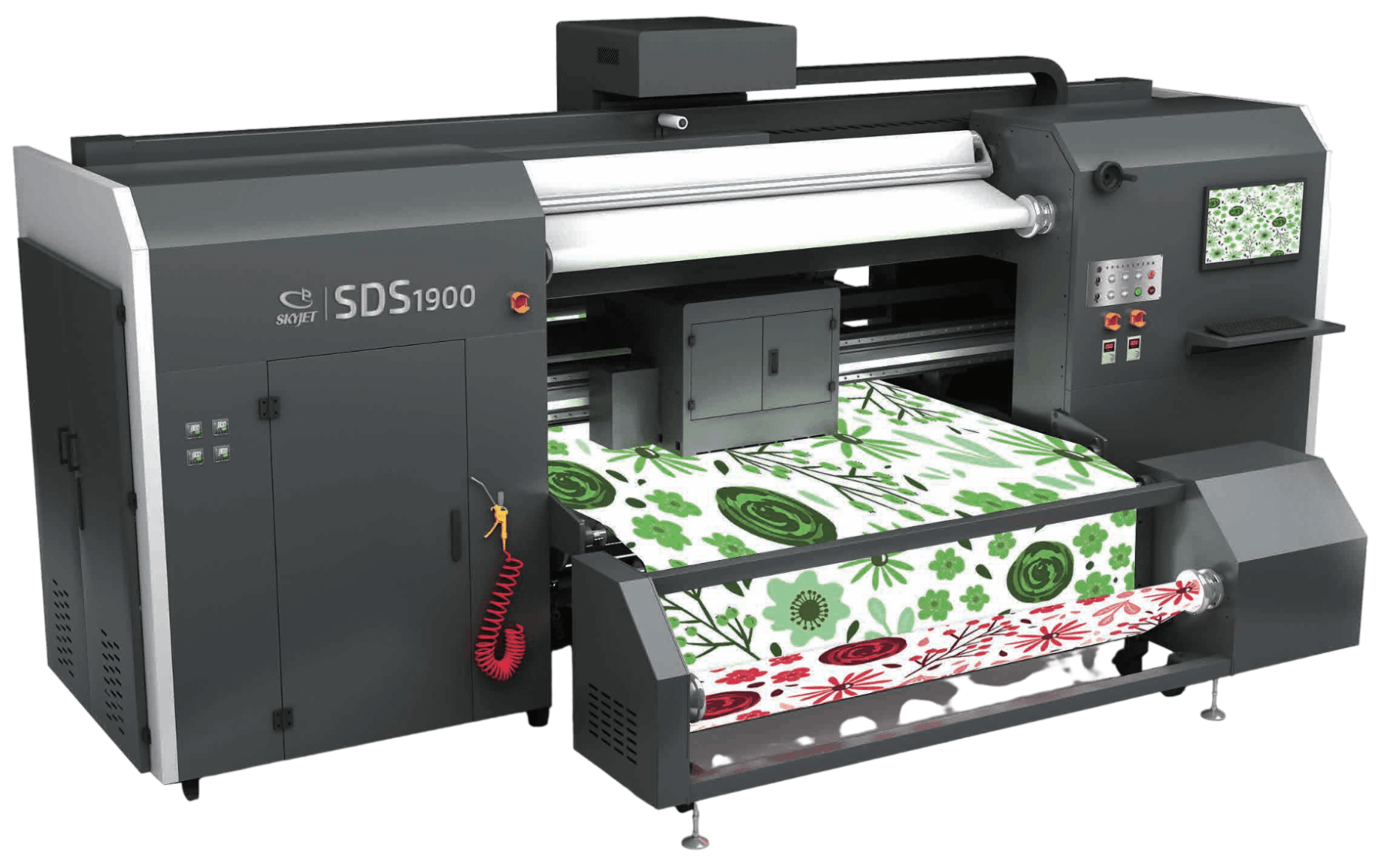
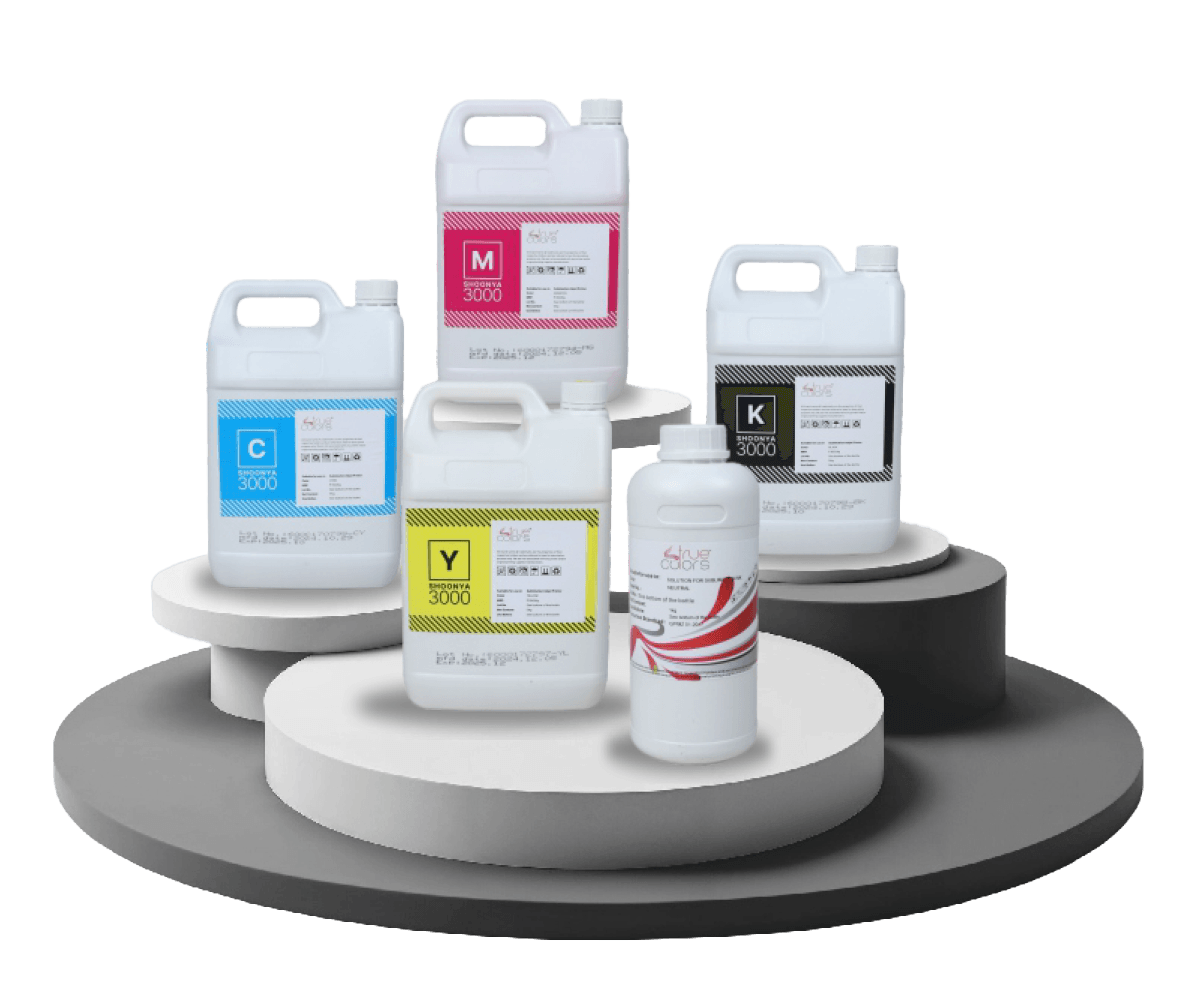
True Colors can support kidswear fabric production by helping manufacturers choose the right combination of machine, ink, fabric, sublimation paper, and process guidance. With Inkia by True Colors inks, digital textile printing machines, fabrics, and service support, True Colors helps printers manage quality where comfort and consistency matter together.
For kidswear-focused businesses, True Colors brings a production approach that supports both creative print design and reliable fabric output.