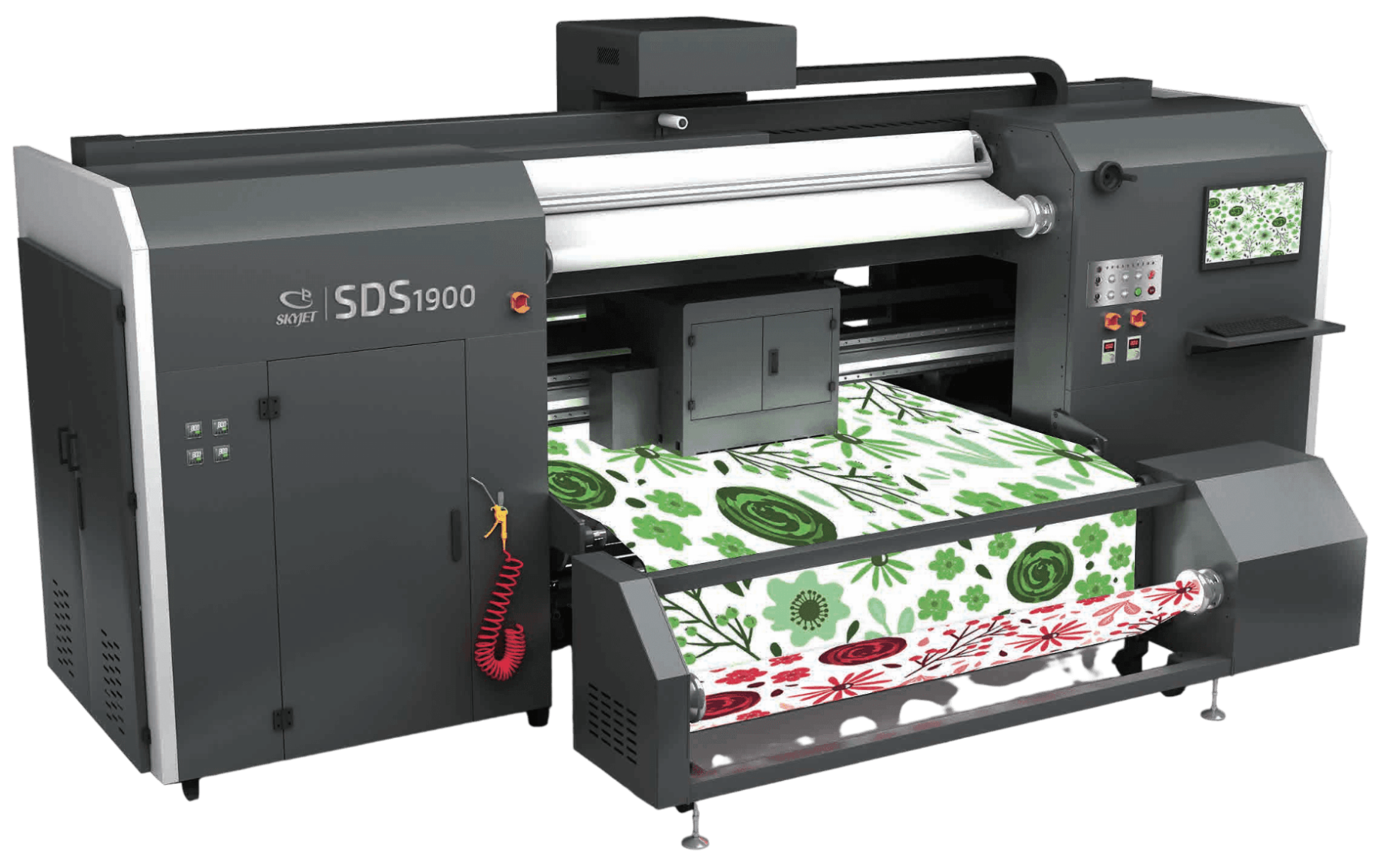
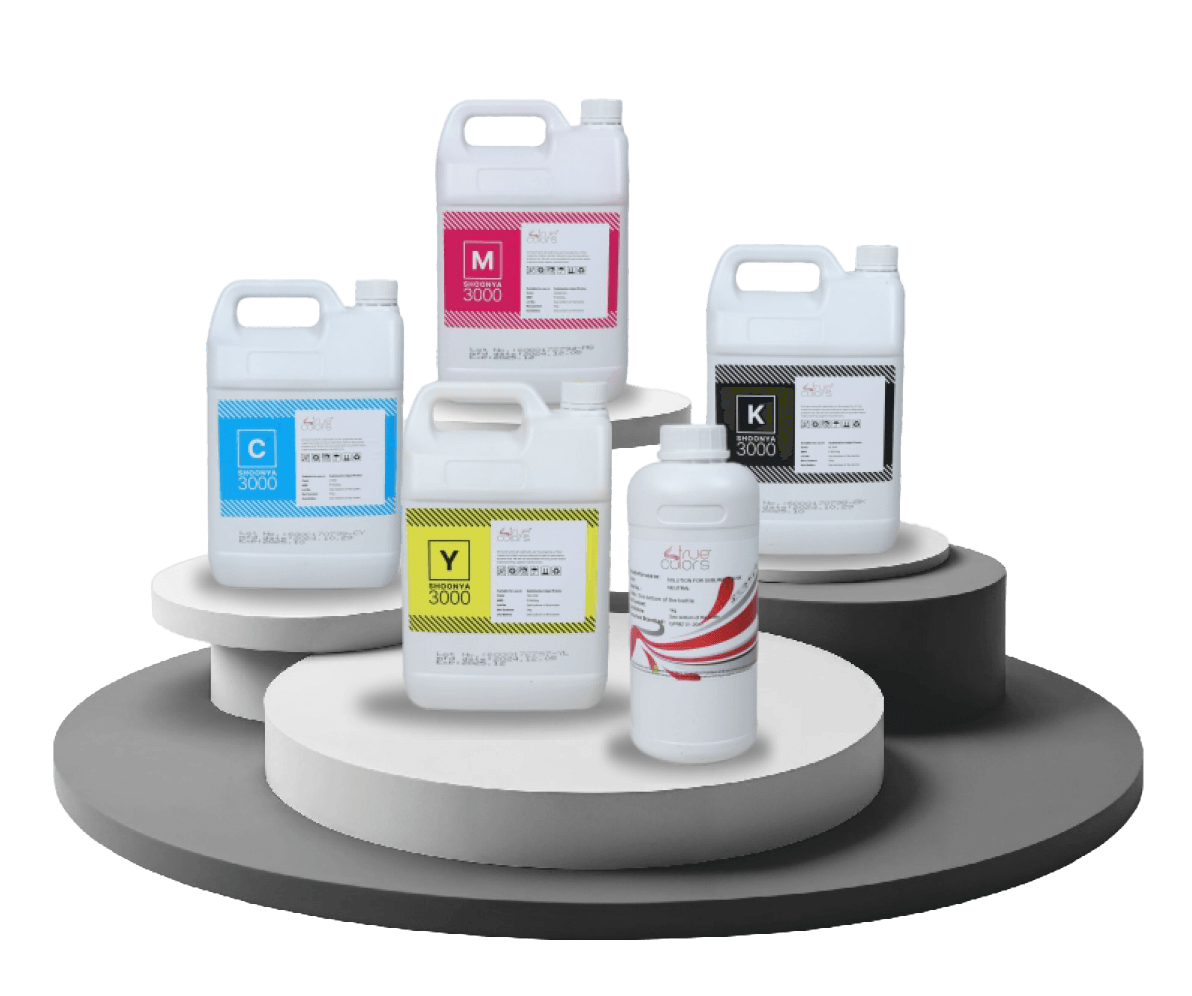
Printing for export houses is changing rapidly as global buyers demand faster delivery, consistent quality, and flexible design options. Export businesses often work with strict timelines, bulk orders, and international quality expectations. Because of this, traditional printing methods are becoming harder to rely on for modern production needs.
Meeting Fast Global Demand
Export houses often manage tight deadlines and large order volumes. Traditional printing processes involve longer setup times and complex preparation. This slows down production, especially when multiple designs or urgent orders are involved.
Digital printing helps reduce setup time and allows faster production cycles. As a result, export businesses can complete orders more efficiently and respond quickly to buyer requirements.
Consistency Across Bulk Orders
One of the biggest challenges in printing for export houses is maintaining consistent quality across large batches. Even small color or design variations can create problems during quality checks.
Digital systems help maintain accurate color reproduction and uniform output. This supports better batch consistency and reduces the chances of rejection from international clients.
Flexibility in Design and Production
Global markets often require frequent design changes, short runs, sampling, and customized prints. Traditional systems are not always suitable for such flexible requirements.
Digital printing allows easy design changes without heavy setup effort. This makes it easier for export houses to manage different buyer demands and seasonal collections.
Reduced Wastage and Better Efficiency
In export production, wastage directly affects profitability. Traditional methods may require extra material during setup and trials.
Digital printing offers a more controlled process, helping reduce material wastage and improve overall efficiency. This also supports better cost management.
Sustainable Printing Approach
Sustainability is becoming more important in global trade. Many international buyers prefer suppliers that follow efficient and responsible production practices.
Modern digital printing methods use fewer resources compared to traditional processes. This makes them more suitable for export businesses focused on long-term growth.
Competitive Advantage in Global Markets
Export houses that adopt advanced printing methods gain better control over speed, quality, and customization. This helps them meet global standards and build stronger relationships with buyers.
For growing businesses, printing for export houses is no longer just about volume. It is about delivering speed, consistency, and reliability together.
Conclusion
Digital printing is becoming a practical choice for export houses aiming to stay competitive. It supports faster turnaround, better quality control, reduced wastage, and flexible production.