Digital Printing Expansion Needs Careful Planning
Many textile manufacturers are exploring digital printing because it offers speed, design flexibility, shorter runs, and better response to changing market demand. For businesses already working in fabric trading, processing, garmenting, or traditional printing, expanding into digital textile printing can open new opportunities.
However, this expansion should not be rushed.
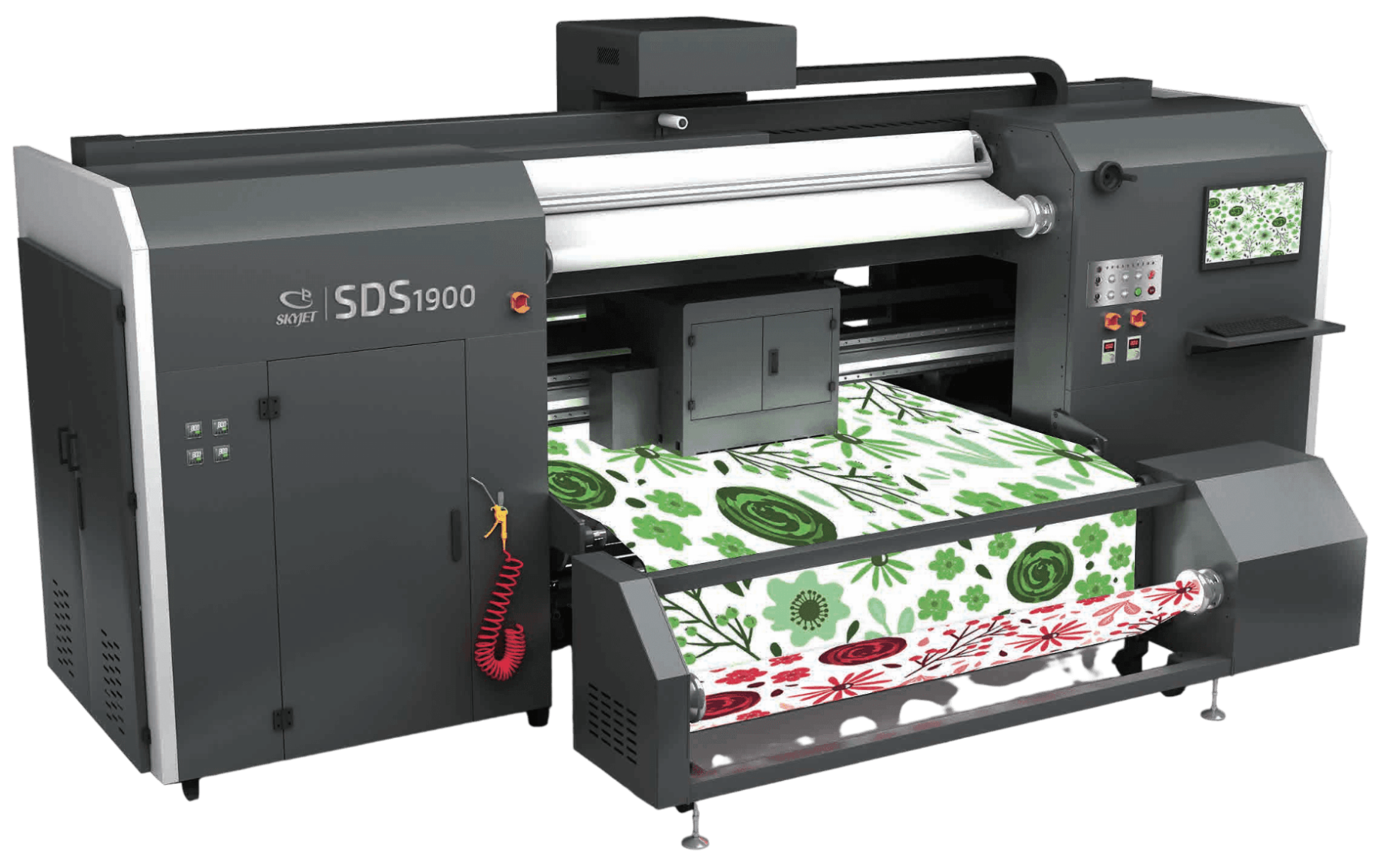
Digital printing is not only about installing a new machine. It requires planning across workflow, fabric selection, ink compatibility, operator training, color management, finishing, and service support.
Manufacturers who prepare properly are more likely to build a stable and profitable digital printing operation.
Understanding the Business Purpose Is Important
Before investing in digital textile printing, manufacturers should define the purpose of expansion.
Some businesses may want to serve fashion brands with faster sampling. Others may want to handle short-run orders, home textile collections, export fabrics, sportswear, or customized printing.
The right machine and production setup depend on the intended market.
A business focused on sampling may not need the same setup as a business planning high-volume fabric production. Similarly, a unit printing polyester may need a different route compared to one focusing on cotton.
Clear business direction helps avoid incorrect investment decisions.
Workflow Readiness Matters
Digital printing requires a different workflow from many traditional printing processes.
Design file preparation, color profiling, fabric handling, machine operation, sample approval, and post-processing must be coordinated properly.
If the workflow is not ready, production may face delays even after the machine is installed.
Manufacturers should prepare their team, space, materials, and process before starting commercial production. A good setup reduces trial-and-error and improves confidence in early orders.
Consumables Should Be Planned from the Start
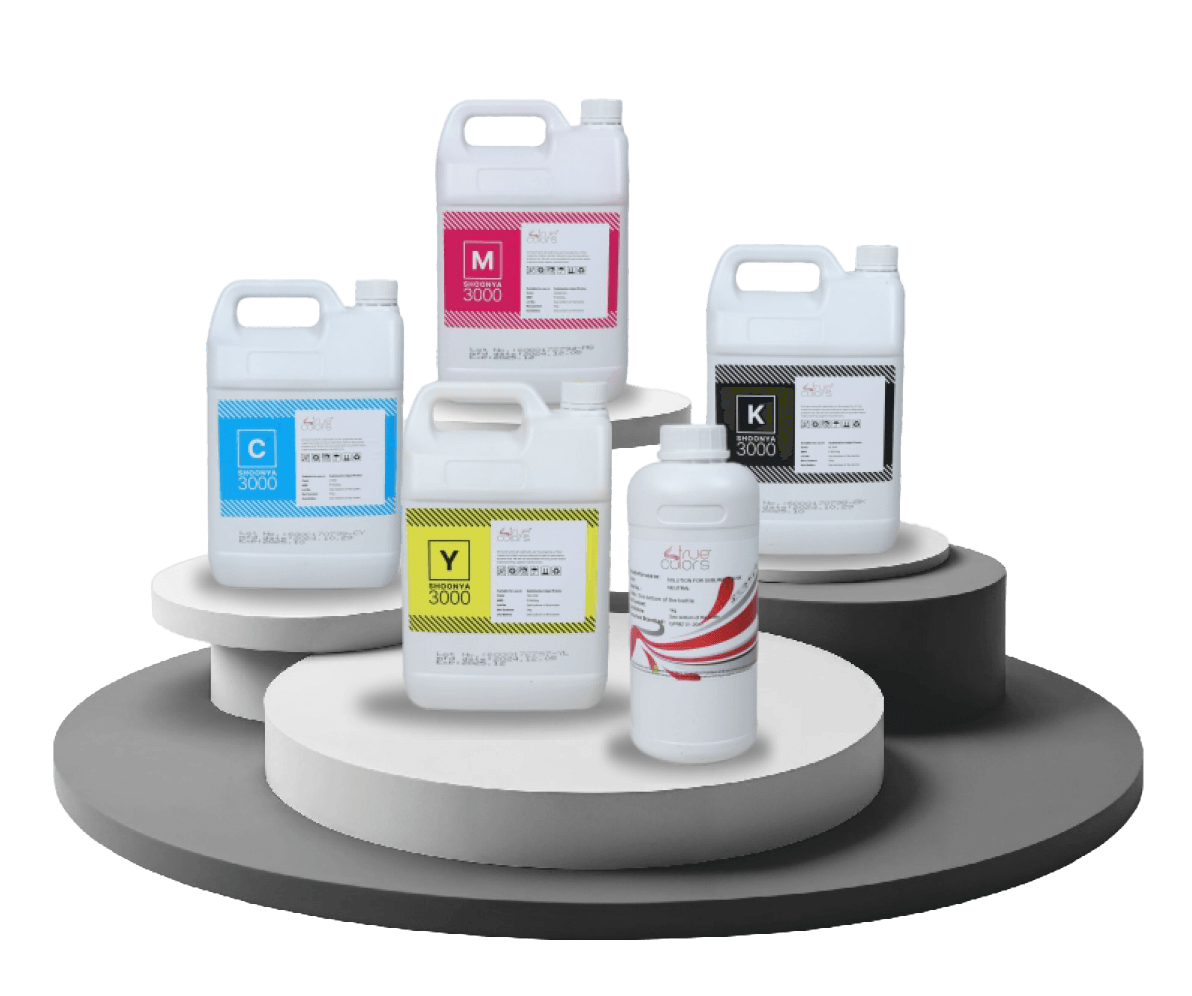
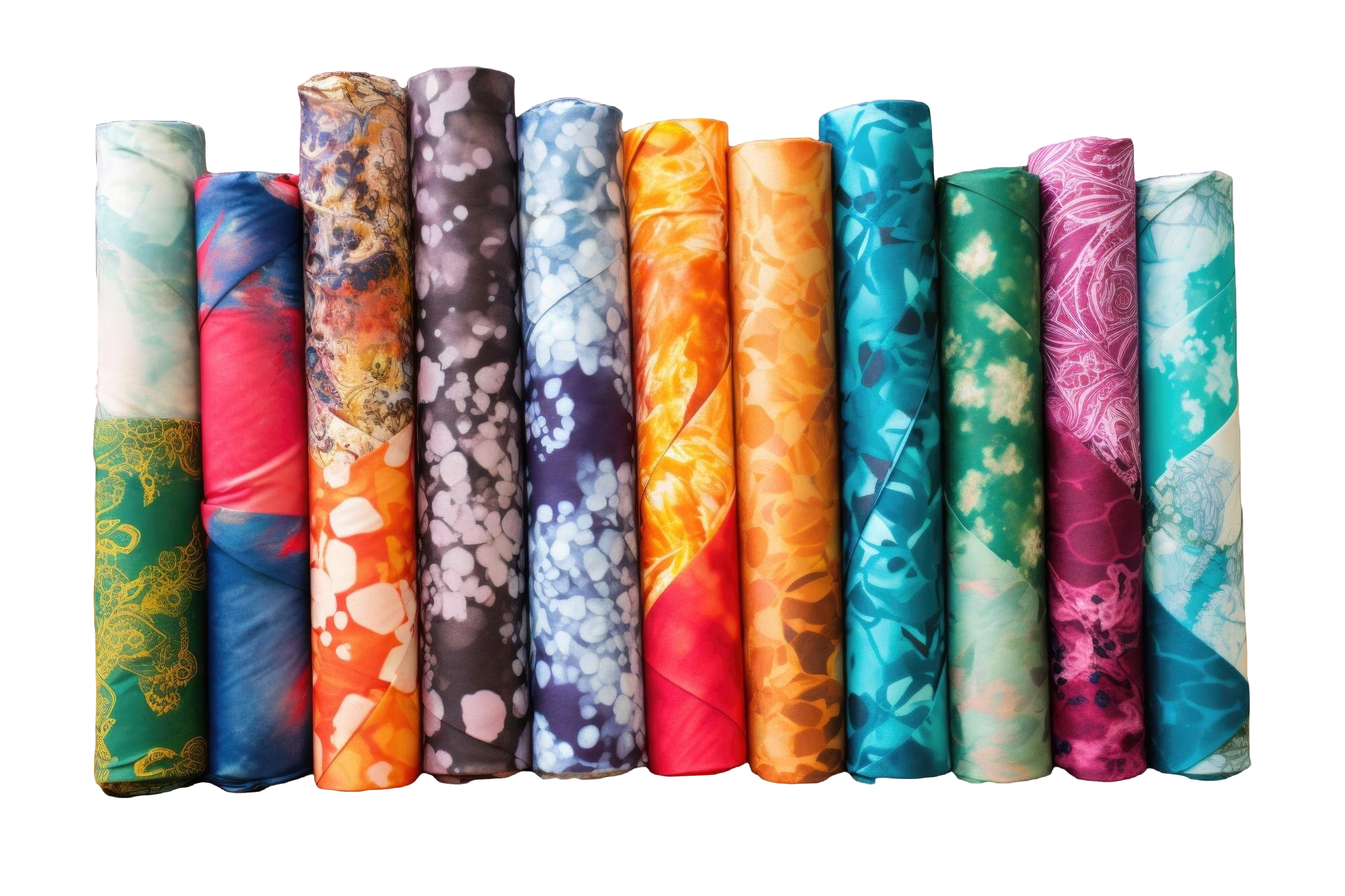
Ink, sublimation paper, fabric, pre-treatment materials, and finishing inputs should be selected carefully.
Many businesses underestimate how much consumables affect output quality and production cost. Poor compatibility can lead to rejection, downtime, color variation, and customer dissatisfaction.
When expanding into digital printing, manufacturers should test and standardize material combinations before taking larger orders.
This helps create predictable output and improves long-term production control.
Service Support Should Be Considered Before Purchase
New digital printing businesses often need guidance during installation, operator training, maintenance, and early production.
Reliable service support can reduce the learning curve and help the business respond faster to technical issues.
Manufacturers should evaluate the service strength of the technology partner before making an investment.
A machine may be purchased once, but service support influences its performance throughout its working life.
Conclusion
Expanding into digital textile printing can help manufacturers enter faster, more flexible, and more design-driven markets. However, success depends on planning the machine, workflow, consumables, fabric route, team training, and service support together.
True Colors can support manufacturers at this stage by helping them look at digital printing as a complete business expansion rather than only a machine purchase. With digital textile printing machines, Inkia by True Colors inks, True Colors Sublimation Paper, fabrics, and TRUE TEAM support, True Colors provides guidance across key parts of the setup.
For textile manufacturers entering digital printing, True Colors can help build a stronger foundation from the first step of expansion.