Export Buyers Look Beyond Print Appearance
Export markets demand consistency, reliability, and production discipline. A printed fabric may look attractive at first glance, but export buyers usually evaluate much more than design appearance.
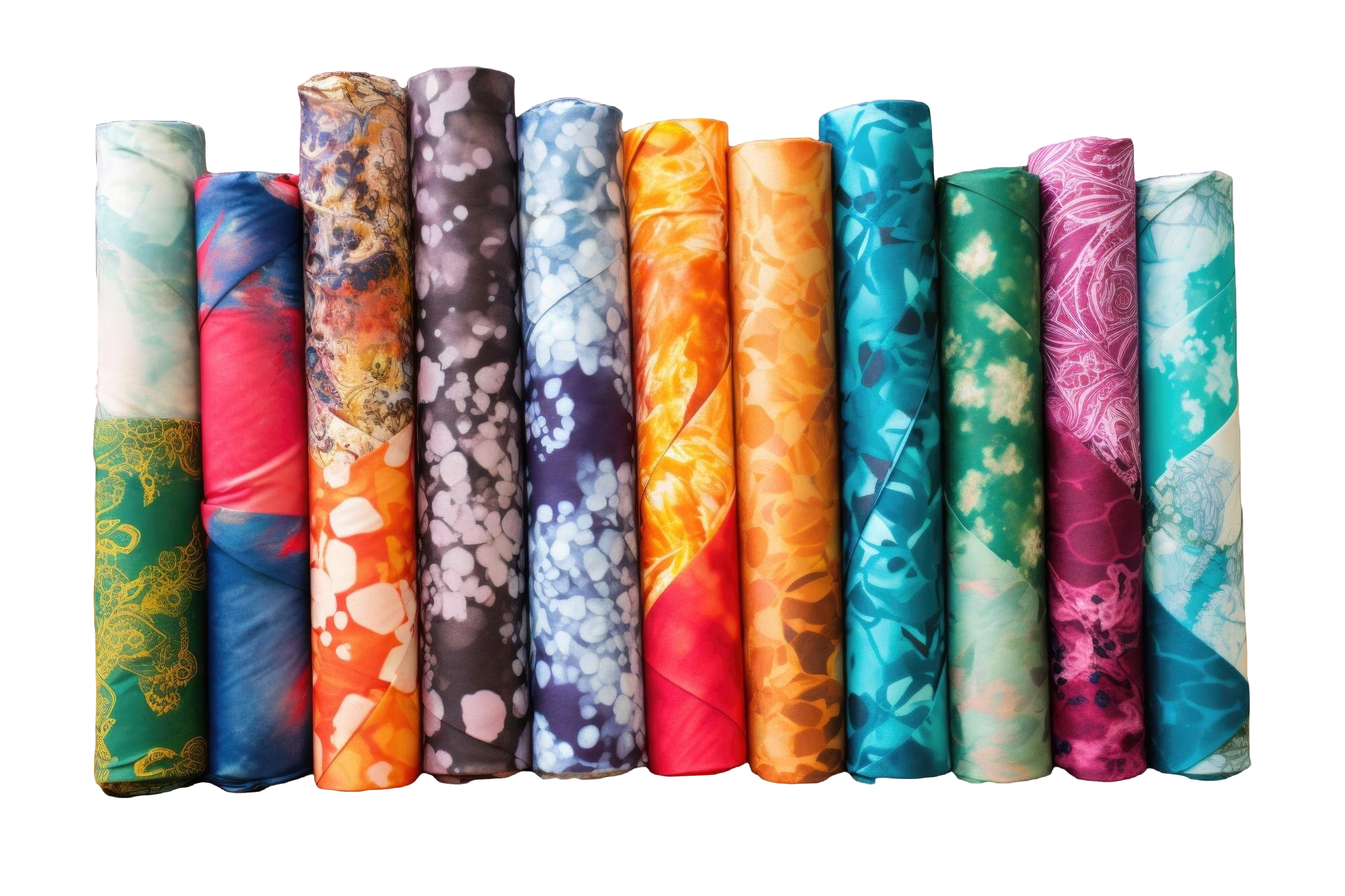
Export quality digital textile printing must meet expectations related to color accuracy, fabric performance, repeat consistency, finishing quality, packing, and delivery timelines.
For manufacturers and export houses, this means the printing process must be controlled from artwork preparation to final inspection.
Color Consistency Builds Buyer Confidence
One of the most important quality parameters in export fabric printing is color consistency.
Buyers expect approved samples and bulk production to match closely. If the shade changes between lots, the order may face rejection or claim issues.
Color consistency depends on controlled file preparation, ink stability, machine settings, fabric quality, environmental conditions, and finishing process.
Export-focused manufacturers must maintain proper records and repeatable production settings to reduce shade variation.
Print Sharpness and Design Accuracy Matter
Export buyers often work with detailed designs, brand-specific artwork, and strict approval processes.
The final printed fabric should maintain motif clarity, repeat accuracy, scale correctness, and clean edges.
Blurred prints, broken repeats, alignment problems, or unclear detailing can affect buyer approval.
Digital textile printing can support high-detail designs, but only when file preparation, machine control, fabric handling, and ink behavior are properly managed.
Fabric Performance Is Part of Print Quality
Export buyers do not judge printed fabric only by how it looks. They also care about how it performs.
Depending on the product, buyers may check washing behavior, rubbing performance, hand feel, shrinkage, color durability, and finishing quality.
The print should remain suitable for the intended use, whether it is fashion apparel, home textiles, scarves, sportswear, or décor fabrics.
This is why the printing method, ink system, fabric selection, and post-processing must be aligned with the final application.
Timely Delivery Is Also a Quality Parameter
In export production, late delivery can damage business relationships even if the fabric quality is good.
Buyers work with launch calendars, shipping schedules, retail timelines, and seasonal commitments.
A reliable digital printing partner must have strong production planning, machine uptime, service support, and communication discipline.
Export quality is therefore not only technical. It also includes dependability.
Conclusion
Export quality digital textile printing requires color consistency, sharp output, fabric performance, finishing control, and reliable delivery. Export buyers care about the complete production experience, not just the printed design.
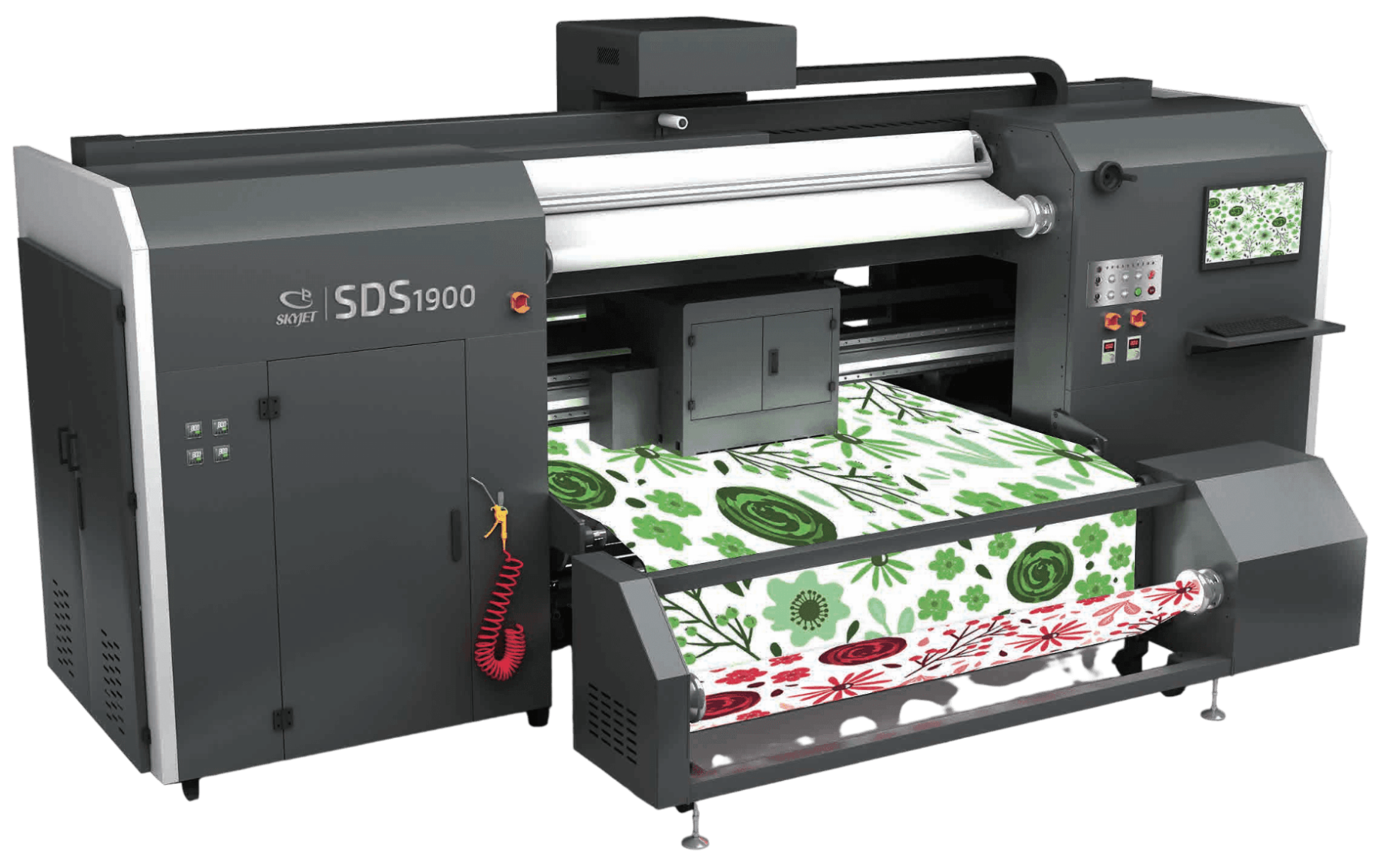
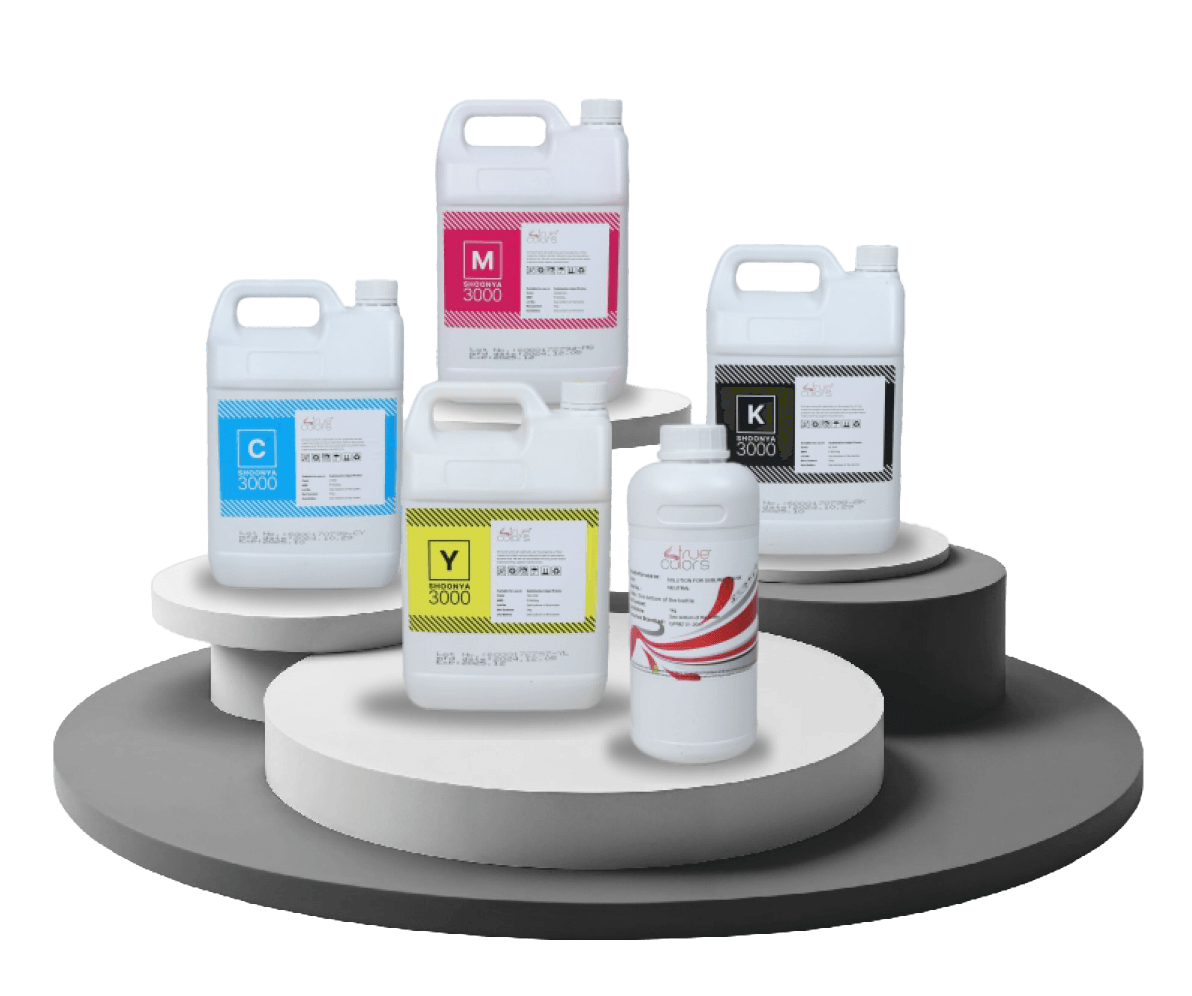
True Colors can support export-focused businesses by bringing together the key elements that affect printed fabric quality. With digital textile printing machines, Inkia by True Colors inks, True Colors Sublimation Paper, fabrics, and service support, True Colors helps manufacturers build more controlled production systems.
For export houses and manufacturers serving international buyers, True Colors can help strengthen the printing foundation needed for consistency, repeatability, and long-term buyer confidence.