Bulk Printing Should Never Start Without Fabric Testing
In digital textile printing, fabric testing is one of the most important steps before bulk production. A fabric may look suitable at first, but its behavior during printing, transfer, drying, washing, or finishing may reveal problems later.
Fabric testing before digital textile printing helps manufacturers understand how a fabric will respond before large quantities are produced.
Skipping this step can lead to color mismatch, print defects, shrinkage, poor fastness, uneven absorption, or rejection.
For manufacturers handling serious production, fabric testing is not an extra step. It is a risk-control measure.
Fabric Behavior Can Change During Printing
Different fabrics respond differently to ink, heat, pressure, moisture, and finishing.
A polyester fabric may behave differently during sublimation transfer based on its construction and coating. A cotton fabric may respond differently depending on pre-treatment and ink system. A blended fabric may create additional challenges because more than one fiber is involved.
Testing helps identify these differences early.
When manufacturers understand fabric behavior before bulk production, they can choose the right printing method and settings.
Testing Helps Control Color Expectations
Color output is strongly affected by fabric type.
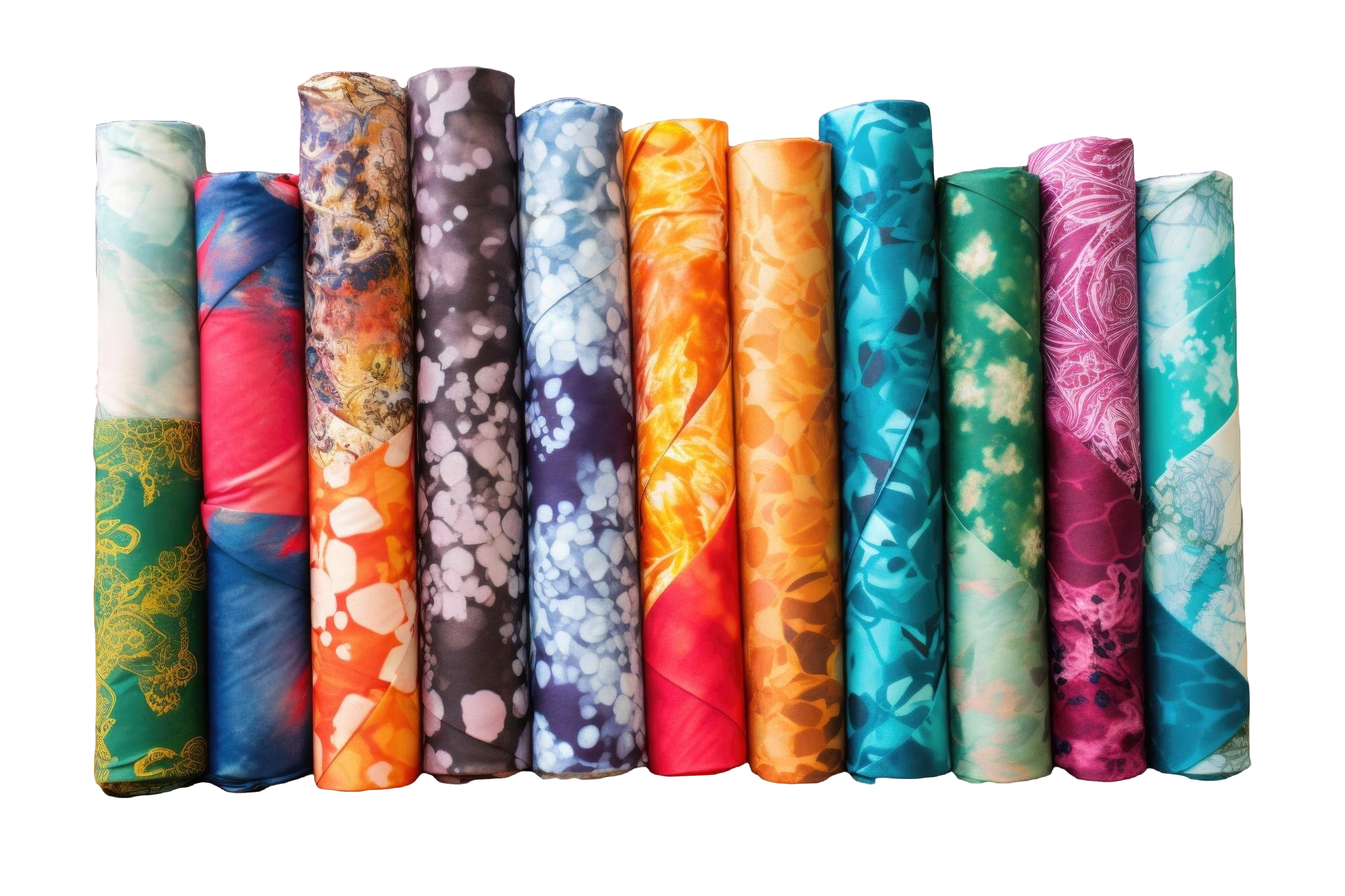
The same artwork and ink may appear different on different fabrics. Texture, whiteness, absorbency, surface finish, and fiber composition can all influence final color.
Before confirming bulk printing, manufacturers should test the design on the actual fabric that will be used for production.
This helps improve communication with customers and reduces the chances of shade disputes later.
Shrinkage and Finishing Must Be Checked
Printing is not the only stage where fabric changes. Drying, steaming, heat transfer, washing, curing, and finishing can also affect fabric size, feel, and appearance.
Testing helps identify whether the fabric will shrink, distort, lose softness, or show color change after processing.
This is especially important for garments, home textiles, export fabrics, and products where final measurement and feel matter.
A fabric that prints well but performs poorly after finishing can still create production problems.
Testing Reduces Wastage and Rework
Bulk rejection is expensive. It affects fabric cost, ink cost, machine time, labor, delivery timelines, and customer trust.
Fabric testing helps reduce this risk by allowing problems to be corrected before large-scale production begins.
It gives manufacturers a clearer understanding of which fabric, ink, process, and settings should be used.
This leads to better planning and more predictable output.
Conclusion
Fabric testing before digital textile printing helps manufacturers avoid color variation, shrinkage, poor fastness, wastage, and production rejection. It supports better decision-making before bulk orders begin.
True Colors is strongly relevant in this area because the brand works across fabrics, digital printing machines, inks, sublimation paper, and technical support. This gives manufacturers a more complete way to evaluate fabric performance before scaling production.
For businesses that want fewer surprises during bulk printing, True Colors can help connect fabric testing with the larger production ecosystem, making output more controlled and reliable.