Fabric Wastage Directly Affects Profitability
In textile printing, wastage is not only a quality issue. It is a cost issue.
Every rejected meter affects fabric cost, ink cost, paper cost, machine time, labor time, and delivery schedules.
For manufacturers using digital textile printing, reducing fabric wastage should be a major production priority.
The good news is that many wastage problems can be controlled with better workflow planning, machine maintenance, file preparation, and material compatibility.
Wastage Often Starts Before Printing
Many fabric wastage issues begin in the pre-production stage.
If the design file has errors, the repeat is incorrect, the color profile is not suitable, or the fabric is not prepared properly, the final output may fail.
Before printing, manufacturers should check:
file resolution,
repeat accuracy,
fabric width,
design placement,
color expectations,
and sample approval.
Proper pre-production checks reduce the chances of printing mistakes during bulk production.
Machine Stability Helps Reduce Rejection
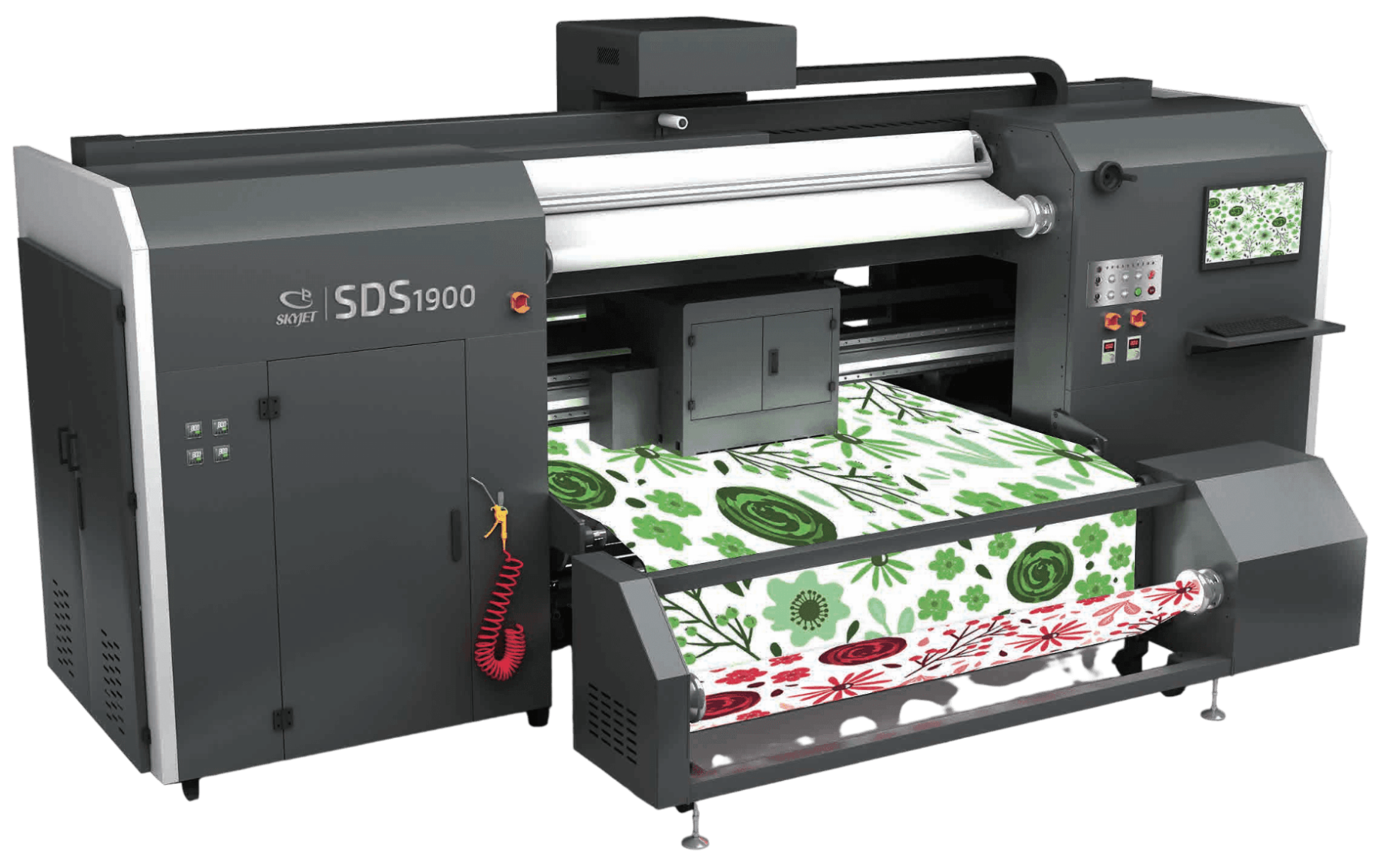
A stable digital textile printing machine plays an important role in reducing wastage.
If the machine shows alignment issues, ink flow problems, nozzle defects, or fabric movement errors, the printed output may become inconsistent.
Regular maintenance and operator checks help avoid such problems.
Manufacturers should monitor:
nozzle condition,
fabric feeding,
belt movement,
print alignment,
ink circulation,
and daily cleaning routines.
Small preventive actions can save large production losses.
Material Compatibility Matters
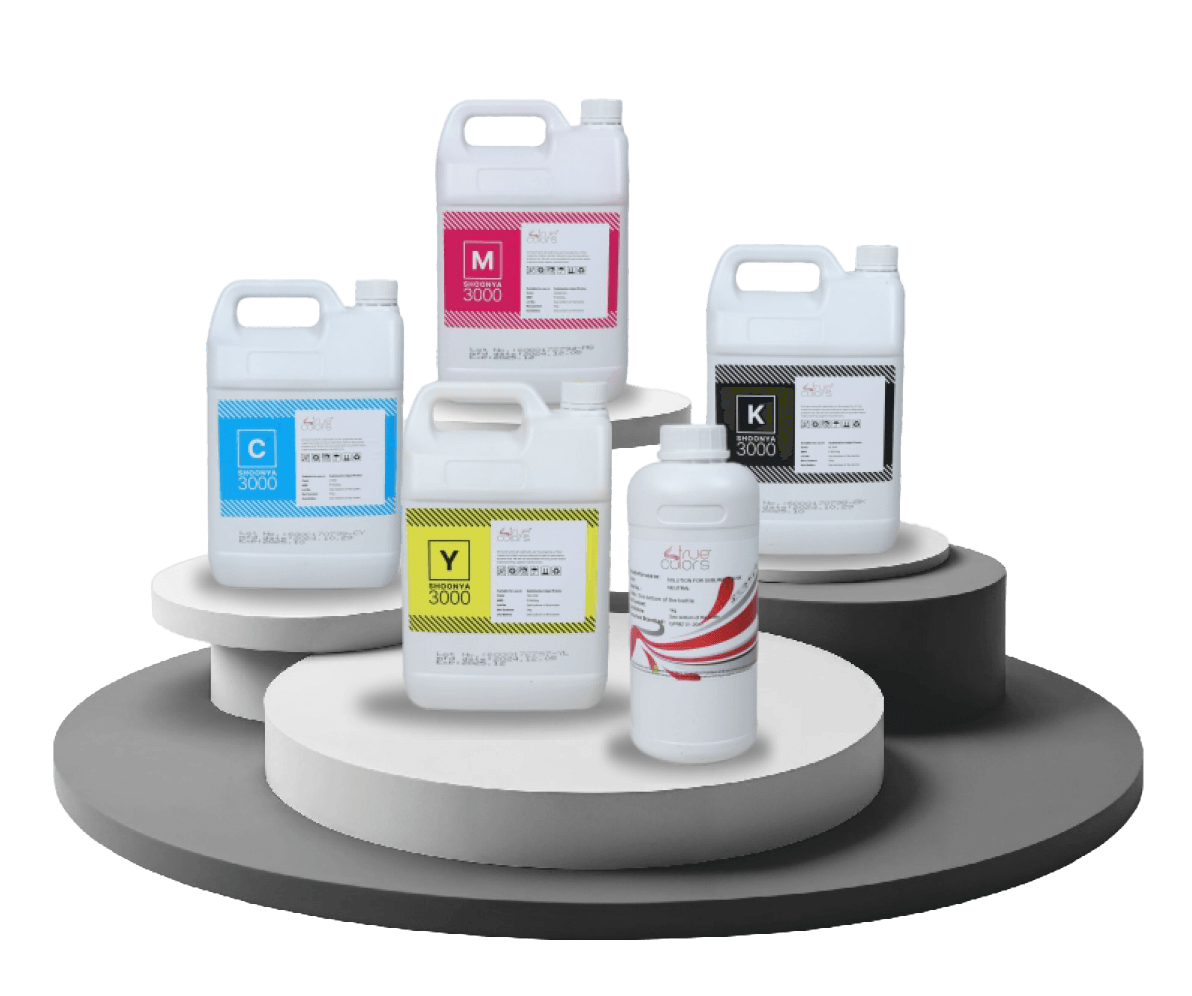
Fabric, ink, and sublimation paper must work together.
If the ink is not suitable for the fabric, or if sublimation paper does not transfer properly, wastage may increase.
Material mismatch can create dull colors, stains, uneven transfer, poor sharpness, and shade variation.
Manufacturers should test materials before bulk production and standardize approved combinations.
This helps improve production predictability and reduce trial-and-error losses.
Operator Training Reduces Human Error
Even advanced machines need skilled operators.
Operators must understand machine settings, fabric handling, ink behavior, cleaning routines, file loading, and basic troubleshooting.
Many wastage issues happen due to wrong settings, improper loading, skipped checks, or delayed action during printing.
Regular training helps operators identify problems early and stop wastage before it becomes serious.
Conclusion
Reducing fabric wastage in textile printing requires a complete production approach. It depends on file preparation, machine stability, material compatibility, operator training, and service support.
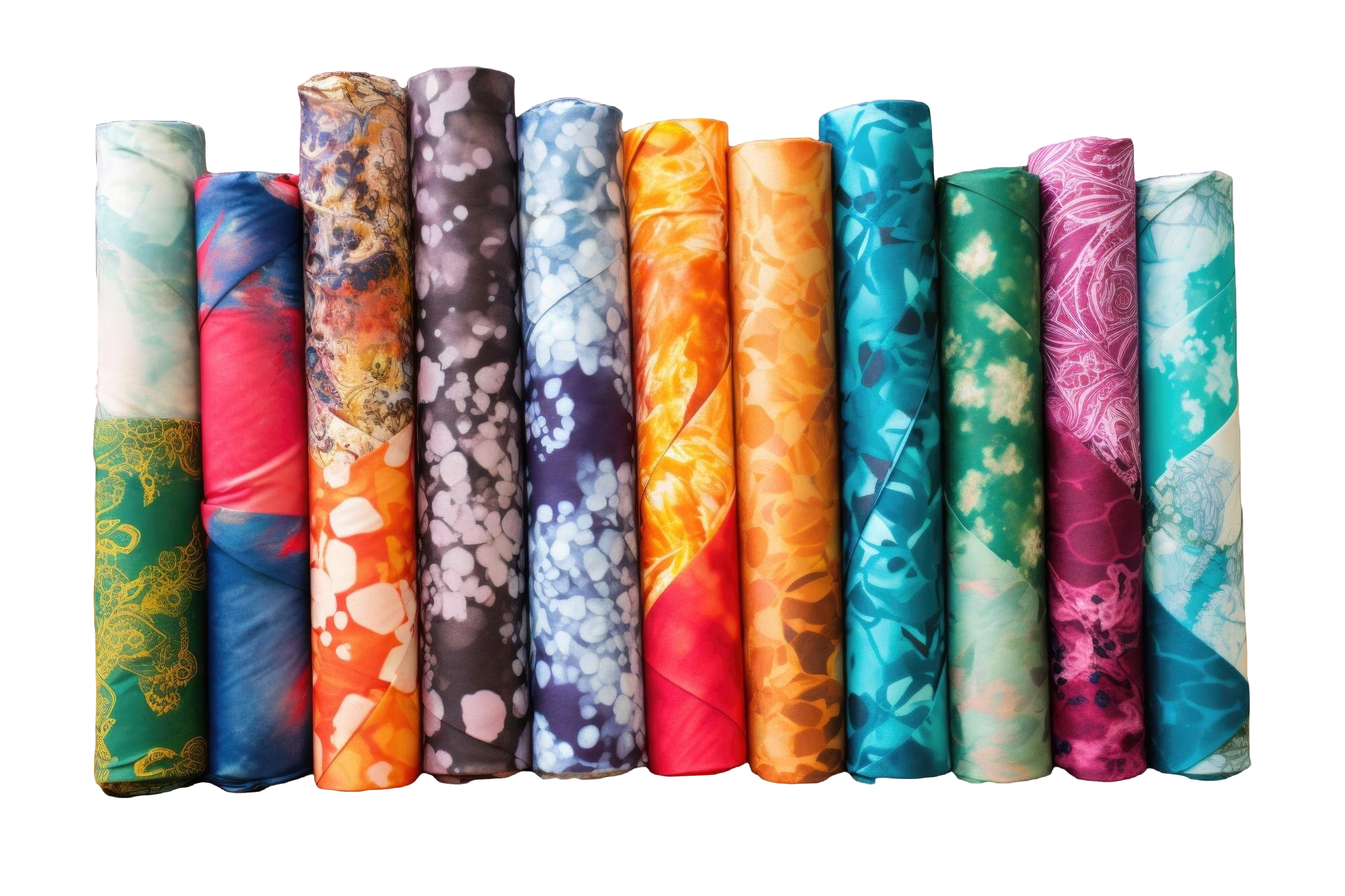
Manufacturers who control these areas can improve profitability, reduce rejection, and deliver more consistent fabric quality.
True Colors supports this goal through its complete digital printing ecosystem. With digital textile printing machines, Inkia by True Colors inks, True Colors Sublimation Paper, fabrics, and technical service support, True Colors helps businesses build more efficient production systems.
Backed by TRUE TEAM, True Colors provides after-sales support that helps printers maintain machine reliability, reduce downtime, and improve production confidence.