Home Textiles Need Design Variety
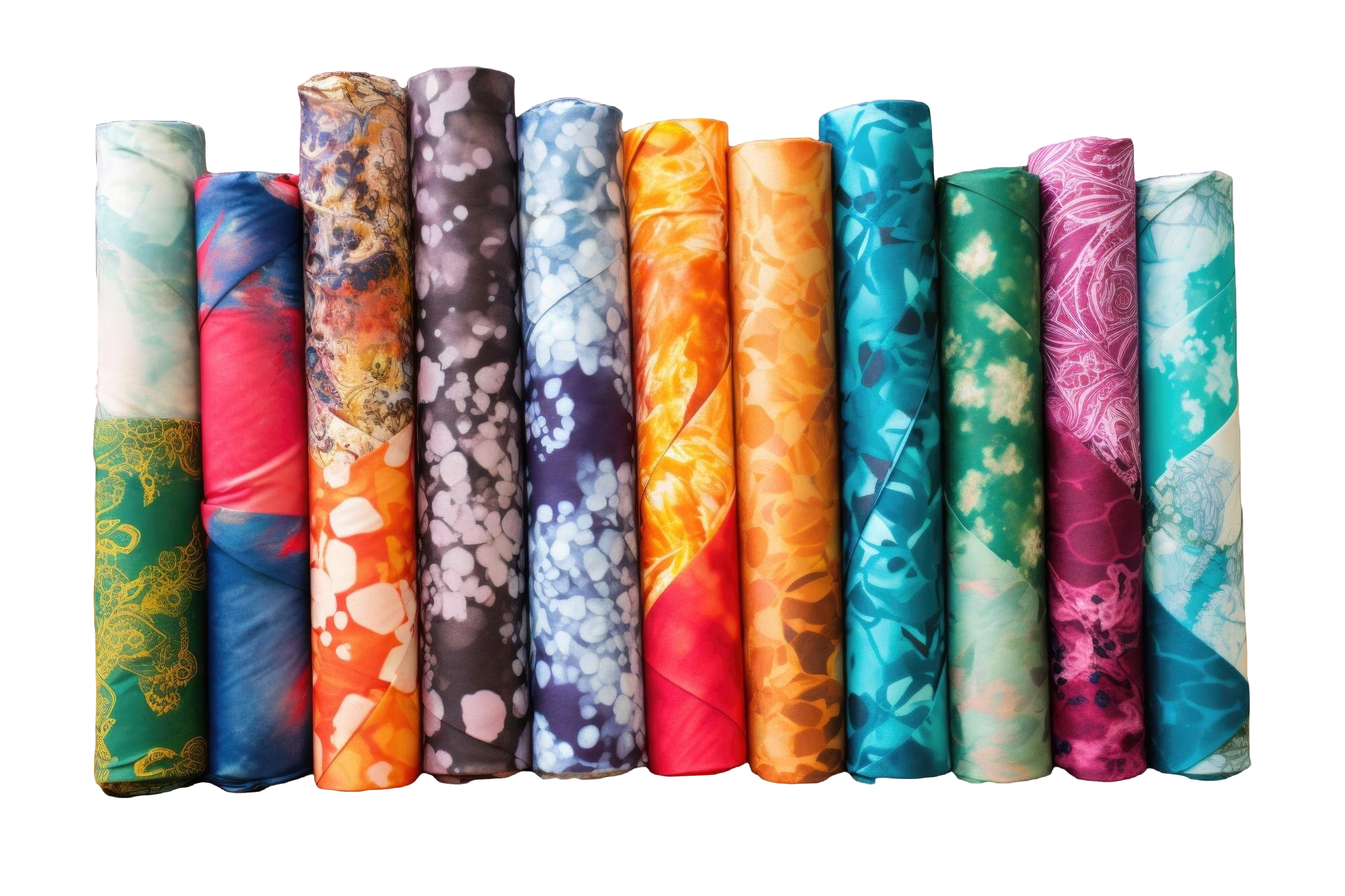
Home textiles are no longer limited to basic prints and standard patterns. Customers now look for coordinated themes, seasonal designs, personalized décor, premium prints, and faster availability across multiple product categories.
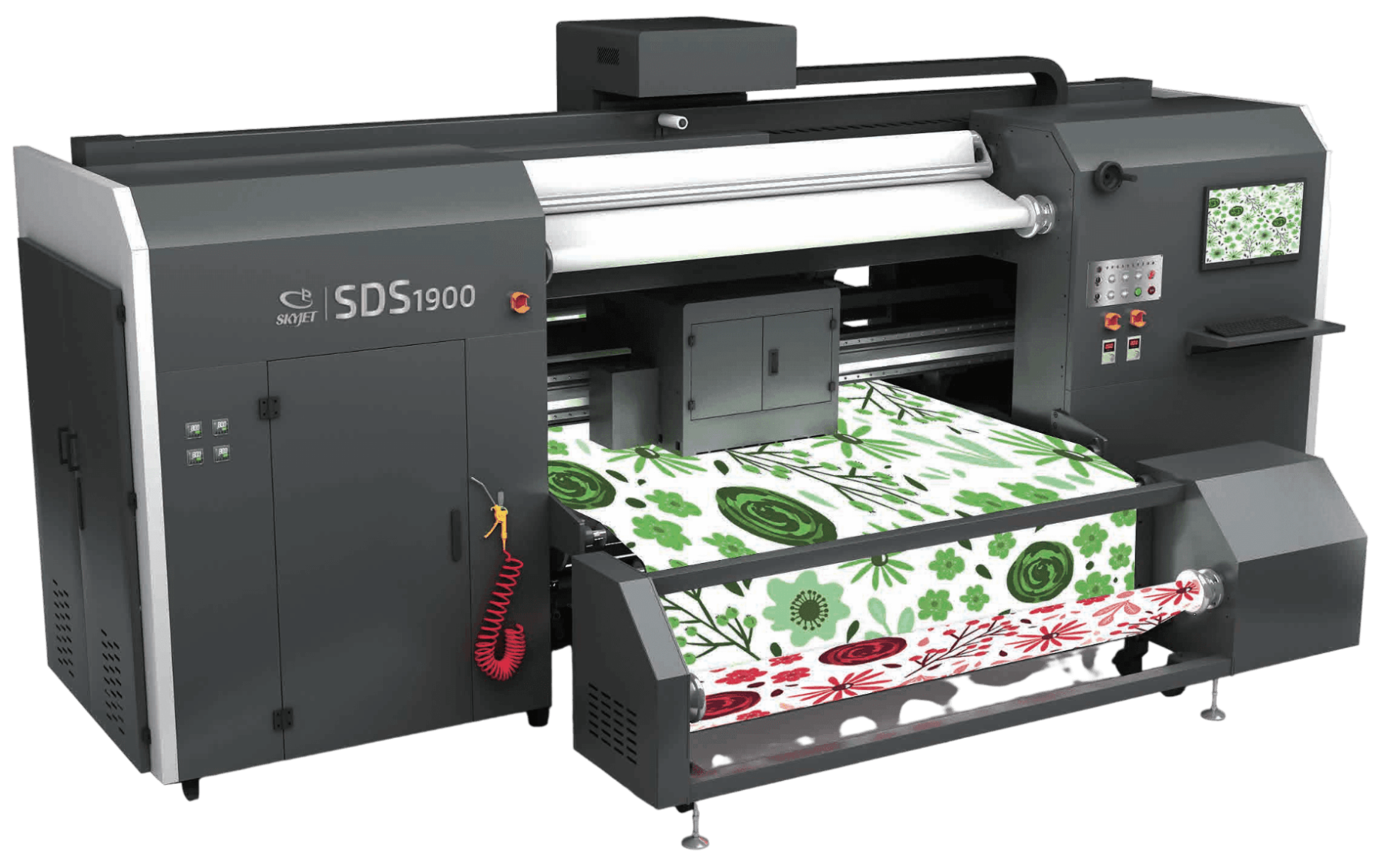
This has made digital printing for home textiles more important for manufacturers, brands, and exporters.
Products such as curtains, cushions, bedsheets, table covers, blinds, décor fabrics, and soft furnishing materials require strong design flexibility. Digital textile printing helps manufacturers create multiple patterns, color options, and design collections without depending on long setup processes.
For home textile businesses, this flexibility can improve collection planning and help respond faster to market demand.
Why Digital Printing Works Well for Home Furnishing Fabrics
Home textile products often require large design repeats, detailed artwork, soft color transitions, and theme-based collections. Digital printing supports these needs because it allows direct reproduction of complex artwork on fabric.
Unlike traditional processes where each design may require more setup time, digital printing makes it easier to produce different designs in shorter runs. This is useful for businesses that want to test new collections, produce boutique home décor ranges, or create customized furnishing fabrics.
For manufacturers supplying to décor brands or export houses, digital printing can help reduce design limitations and improve product variety.
Fabric Selection Plays an Important Role
The final result in home textile printing depends heavily on fabric selection. Polyester, cotton, blends, viscose, and other materials behave differently during printing and finishing.
For certain polyester-based home textile applications, sublimation printing can deliver bright and clean output. For natural fabrics, other printing methods may be more suitable depending on the product use and performance requirement.
A curtain fabric may need different print behavior compared to a cushion cover or bedsheet. The fabric feel, color strength, washing requirement, light exposure, and finishing process should all be considered before selecting the printing method.
Digital printing gives flexibility, but the right fabric and ink combination decide the final quality.
Consistency Is Important Across Matching Products
Home textile collections often include multiple matching products. A single design theme may be used across curtains, cushion covers, bedsheets, and table linen.
This makes color consistency very important.
If the shade changes from one product to another, the collection may lose its visual balance. Manufacturers need proper color management, stable inks, controlled fabric handling, and repeatable production settings.
Digital printing can support coordinated collections, but only when the production process is managed carefully.
Faster Sampling Helps Brands Launch More Collections
Home décor trends change with seasons, festivals, interior themes, and customer preferences. Brands often need to create new collections quickly.
Digital textile printing helps speed up sampling because new designs can be tested without long preparation time. Manufacturers can present more options to buyers, finalize designs faster, and move into production with greater confidence.
This allows home textile brands to stay fresh in the market and offer more variety to customers.
Conclusion
Digital printing for home textiles supports design variety, faster sampling, coordinated collections, and flexible production across curtains, cushions, bedsheets, table covers, and décor fabrics. For manufacturers, it opens opportunities to serve both bulk and customized home furnishing markets with more agility.
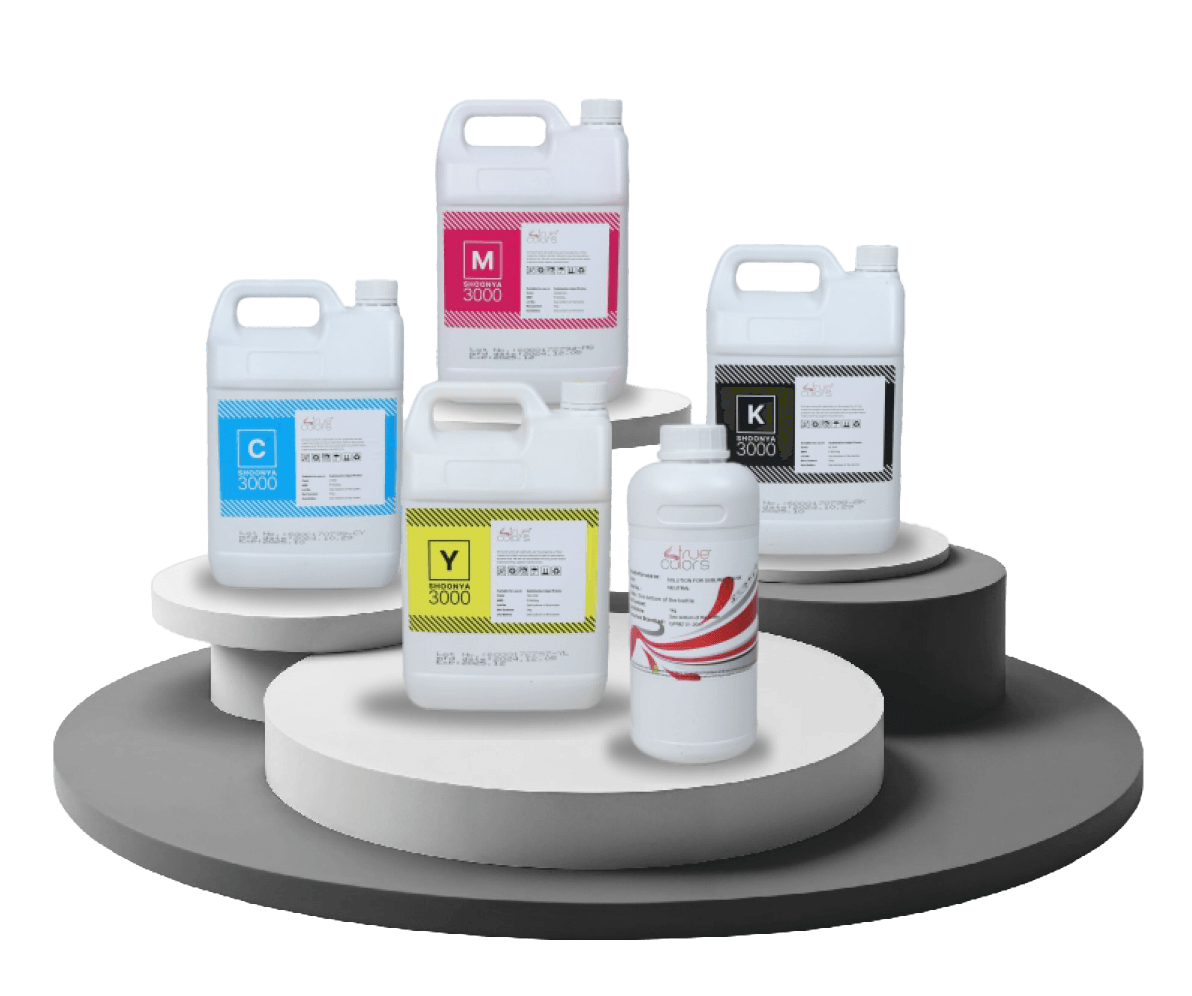
True Colors’ sublimation paper division is especially relevant for polyester-based home textile applications where transfer quality, clean output, and repeatable color release matter. Along with True Colors Sublimation Paper, the brand’s wider ecosystem of digital printing machines, Inkia by True Colors inks, fabrics, and technical support gives manufacturers a stronger base for home textile production.
For businesses building furnishing collections, True Colors can support the journey from print planning to production stability, helping manufacturers deliver home textile products with better consistency and market readiness.