Growth Changes Machine Requirements
Many textile businesses begin with entry-level digital printing machines. These systems are useful for learning, sampling, smaller jobs, and early-stage production.
However, as order volume increases, the limitations of entry-level machines become more visible.
A growing business may start facing longer production hours, slower delivery, limited fabric handling, quality variation, and higher operator dependency. At this stage, the discussion often shifts toward investing in an industrial textile printer.
The decision should not be based only on machine size or speed. It should be based on production expectations, customer requirements, workflow maturity, and long-term business plans.
Entry-Level Machines Have a Different Purpose
Entry-level machines can be suitable for businesses that handle small quantities, design trials, boutique production, or limited applications. They usually require lower investment and may be easier to start with.
For new businesses, this can be a practical first step.
However, entry-level machines may not always support continuous high-volume production. Their speed, stability, fabric handling, ink system, and duty cycle may not match the requirements of industrial printing units.
As a business grows, these limitations can affect production planning and profitability.
Industrial Textile Printers Are Built for Production Pressure
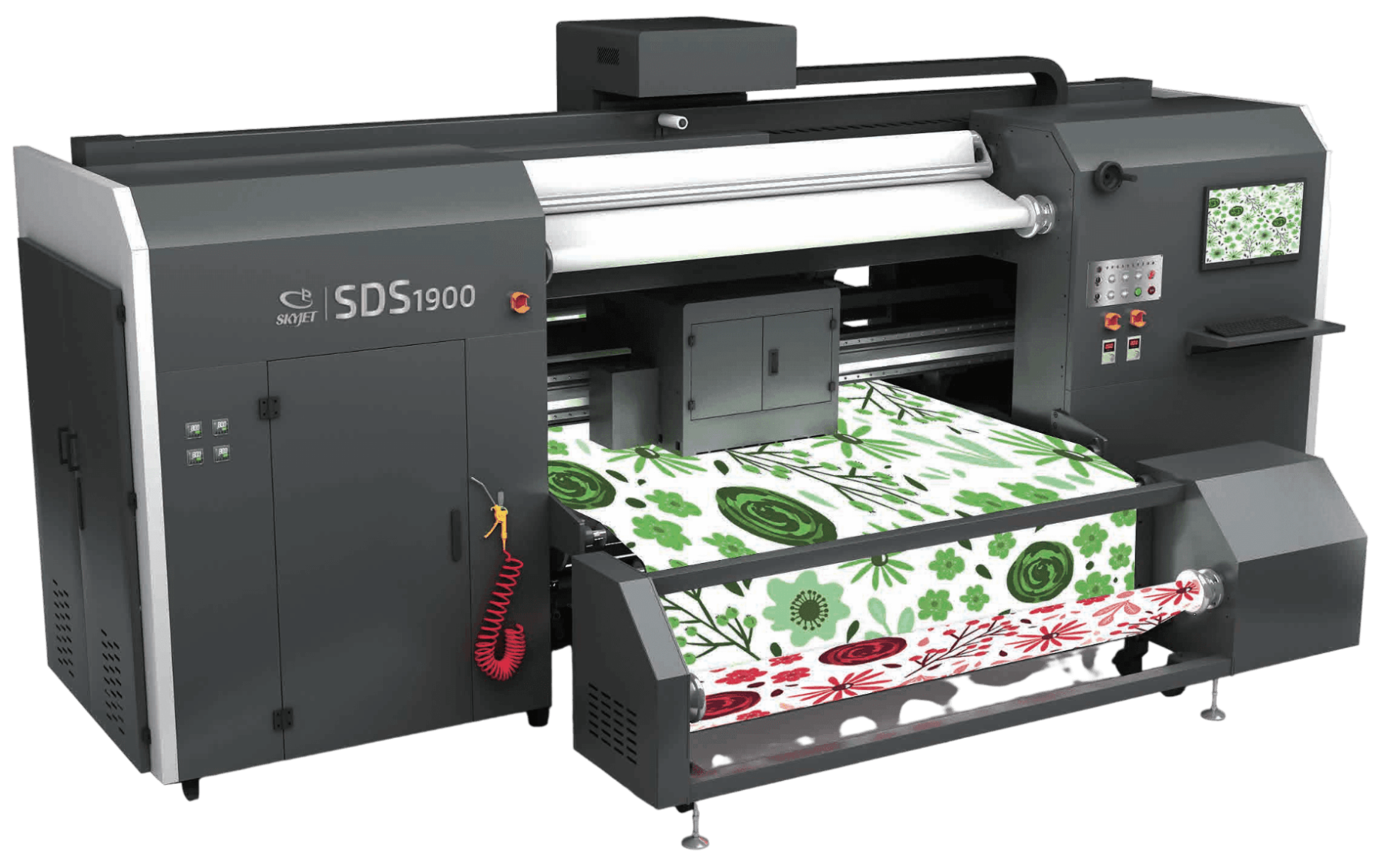
An industrial textile printer is designed for more serious production environments. It usually supports higher output, longer running hours, better stability, and more controlled fabric handling.
For businesses serving fashion brands, export houses, large fabric orders, or continuous production, this becomes important.
Industrial systems are expected to maintain better consistency across longer runs. This includes print alignment, ink flow, color stability, and fabric movement.
When a machine becomes part of daily bulk production, reliability becomes as important as speed.
Scalability Should Be a Major Decision Factor
Growing businesses should not buy machines only for today’s workload. They should also consider future production needs.
If order volume is expected to increase, the machine should support higher capacity, faster workflow, better operator control, and improved production planning.
A machine that is suitable today but becomes restrictive within a short time may lead to another investment sooner than expected.
The right industrial textile printer should support the business as it expands, not limit its next stage of growth.
Service Support Becomes More Important with Industrial Production
As machine capacity increases, downtime becomes more expensive.
When an entry-level machine stops, the impact may be limited. But when an industrial textile printer is responsible for large daily output, downtime can affect delivery commitments and customer trust.
This is why service support, spare parts availability, operator training, and preventive maintenance become critical.
A growing business should choose not only the machine but also the technology partner behind it.
Conclusion
The choice between an industrial textile printer and an entry-level machine depends on production scale, quality expectations, uptime requirements, and growth plans. Entry-level machines may help businesses begin, but industrial systems are better suited for manufacturers who need reliability, consistency, and scalable output.
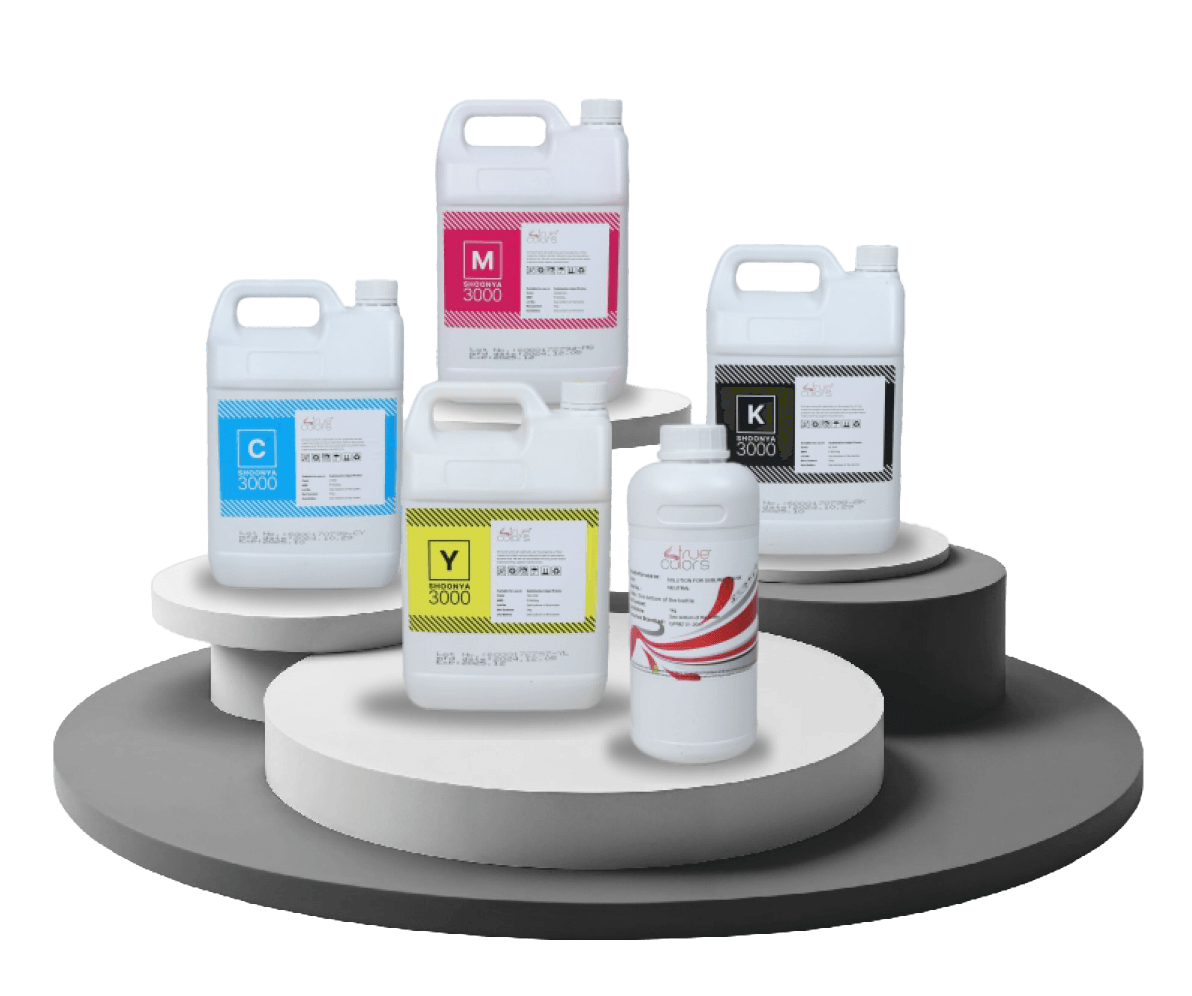
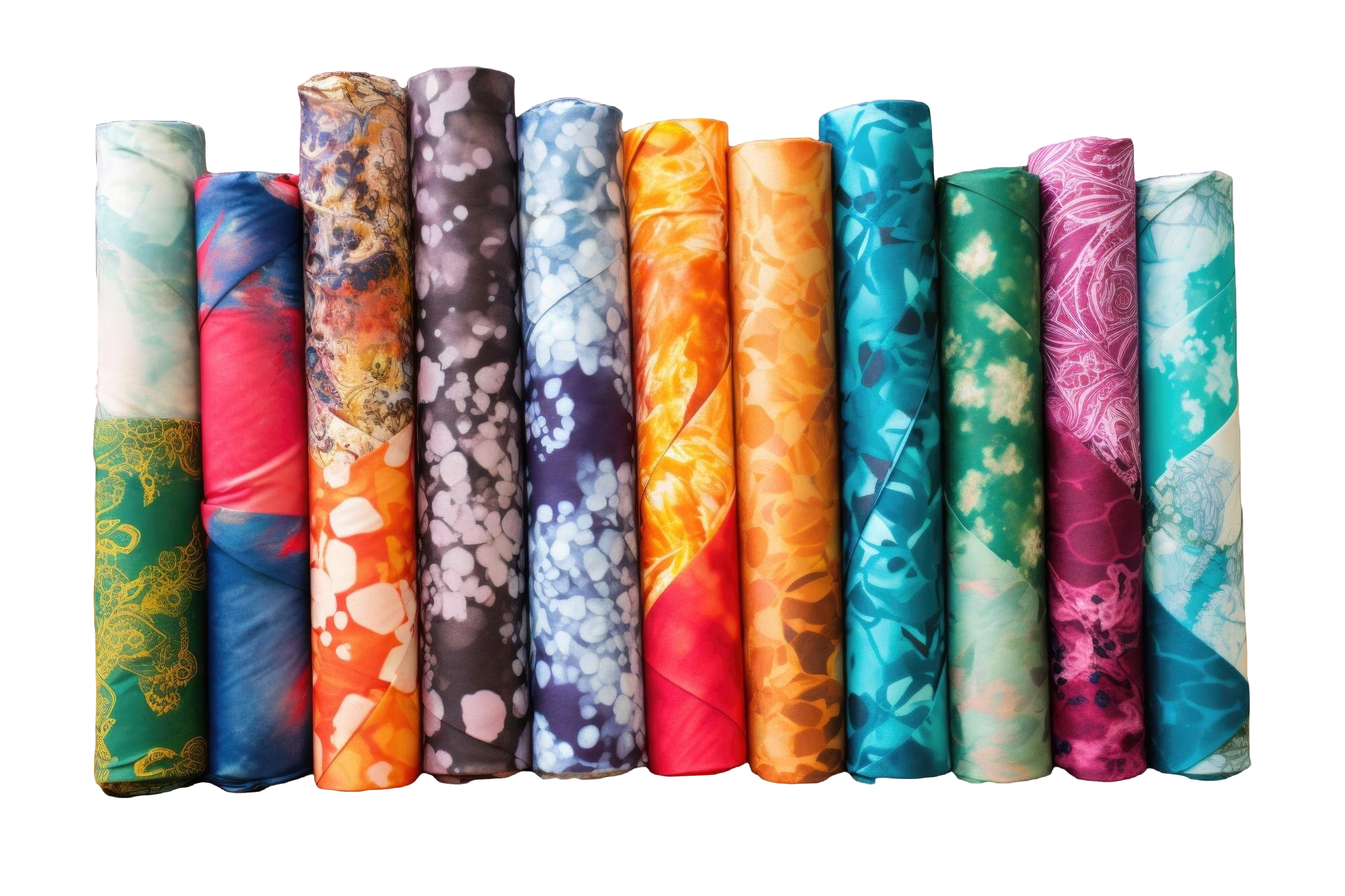
True Colors supports growing textile businesses by helping them look beyond the first machine purchase. With experience in digital textile printing machines and a wider ecosystem that includes inks, sublimation paper, fabrics, and technical support, True Colors helps manufacturers evaluate machines based on real production requirements.
For businesses preparing to move from small-scale printing to industrial production, True Colors can act as a technology partner that understands both the machine and the production environment around it.