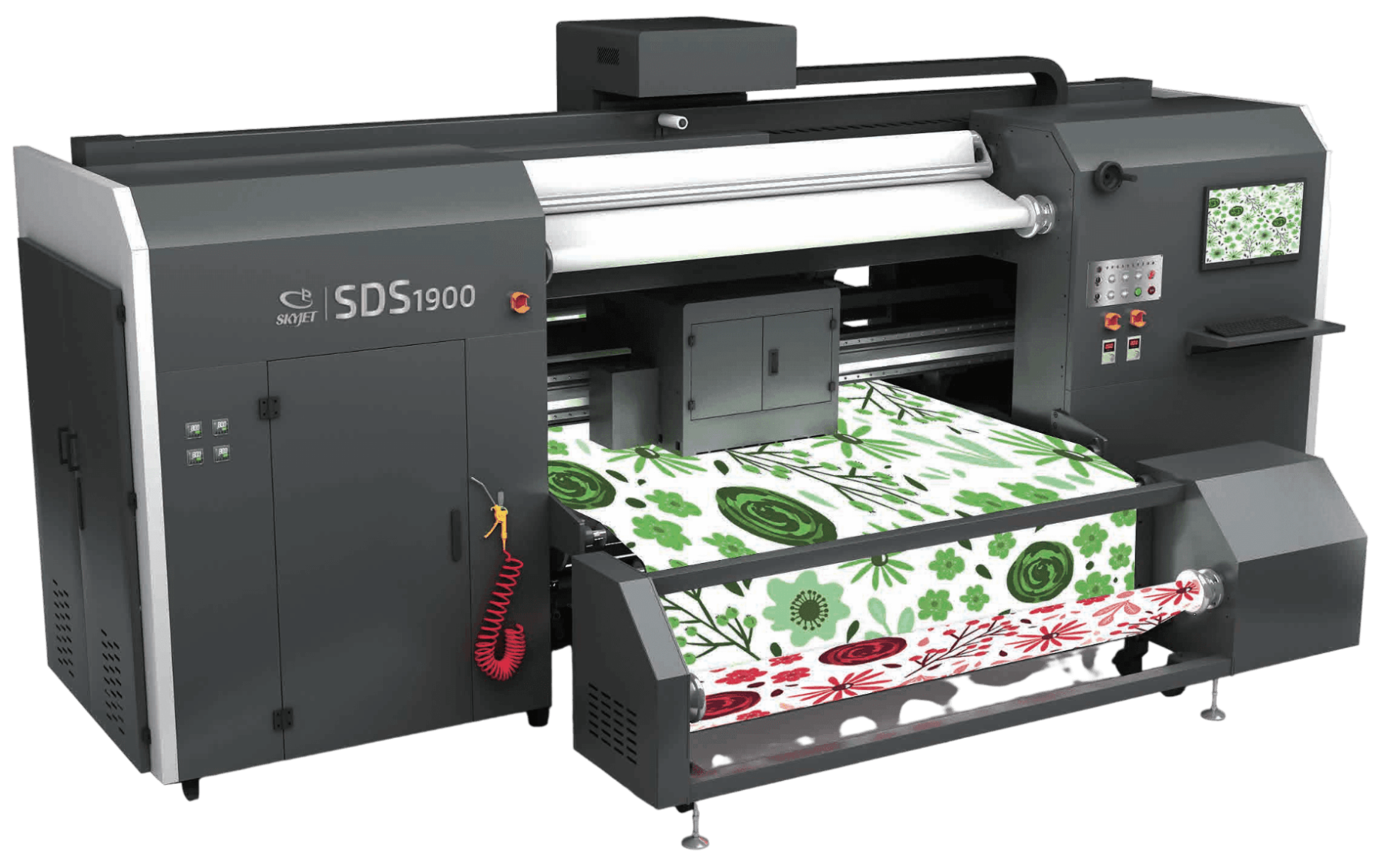
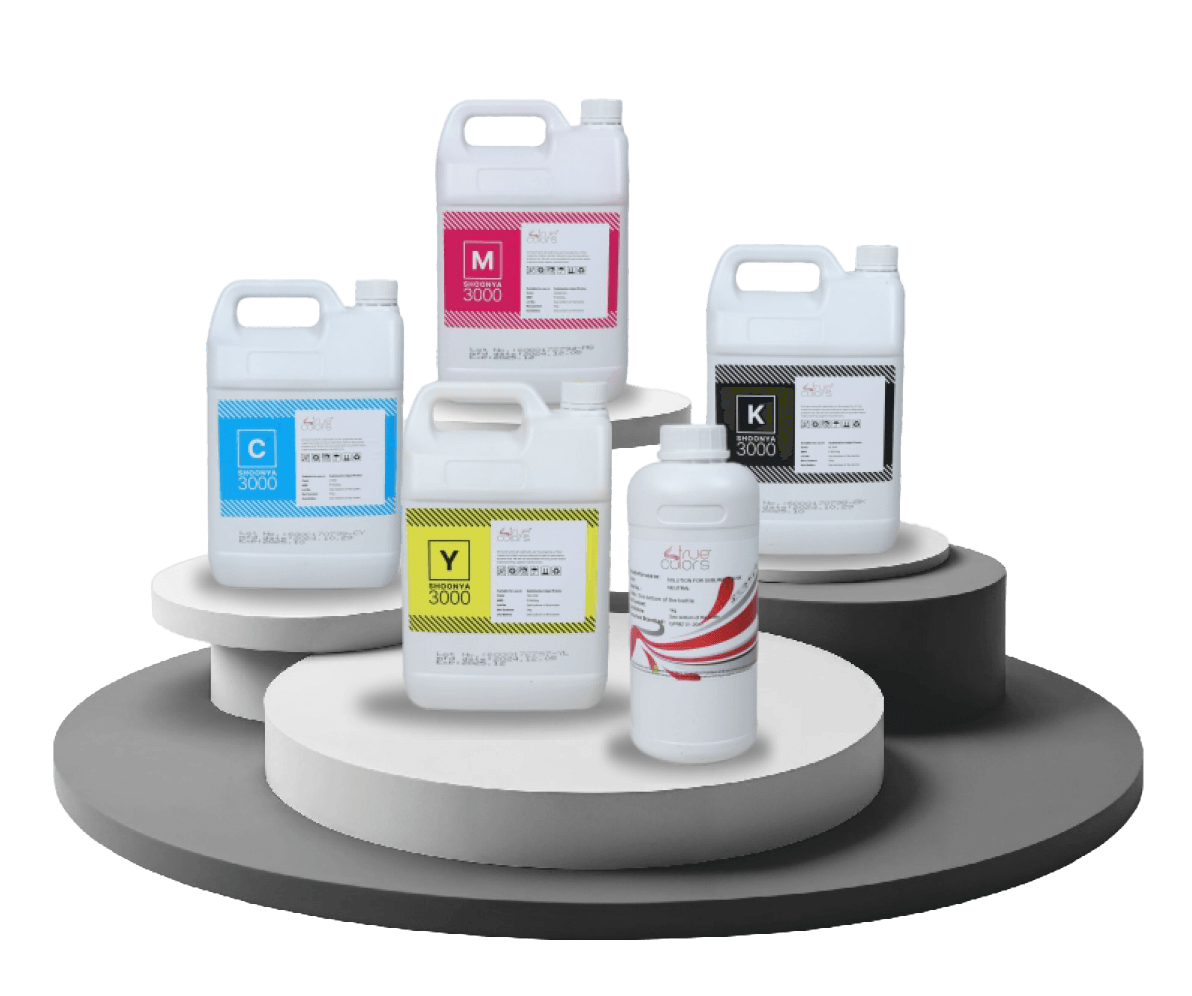
Global textile production is evolving rapidly. While traditional printing still plays a role, it often fails to keep pace with the demands of modern buyers who expect shorter lead times, flexible runs, and flawless quality. The Mallard 2.0 digital textile printer is transforming this landscape, offering unmatched speed and accuracy that give Indian manufacturers a clear edge in both domestic and export markets.
Traditional Printing: The Old Standard
Rotary and screen printing have been industry staples for decades. Yet, their limitations are becoming more evident:
- High water and chemical consumption, raising sustainability concerns.
- Long setup times, restricting flexibility for smaller batches.
- Design limitations, making it difficult to produce complex or high-resolution graphics.
In an era where global buyers demand agility and eco-compliance, these drawbacks create significant hurdles.
Mallard 2.0: Speed Without Compromise

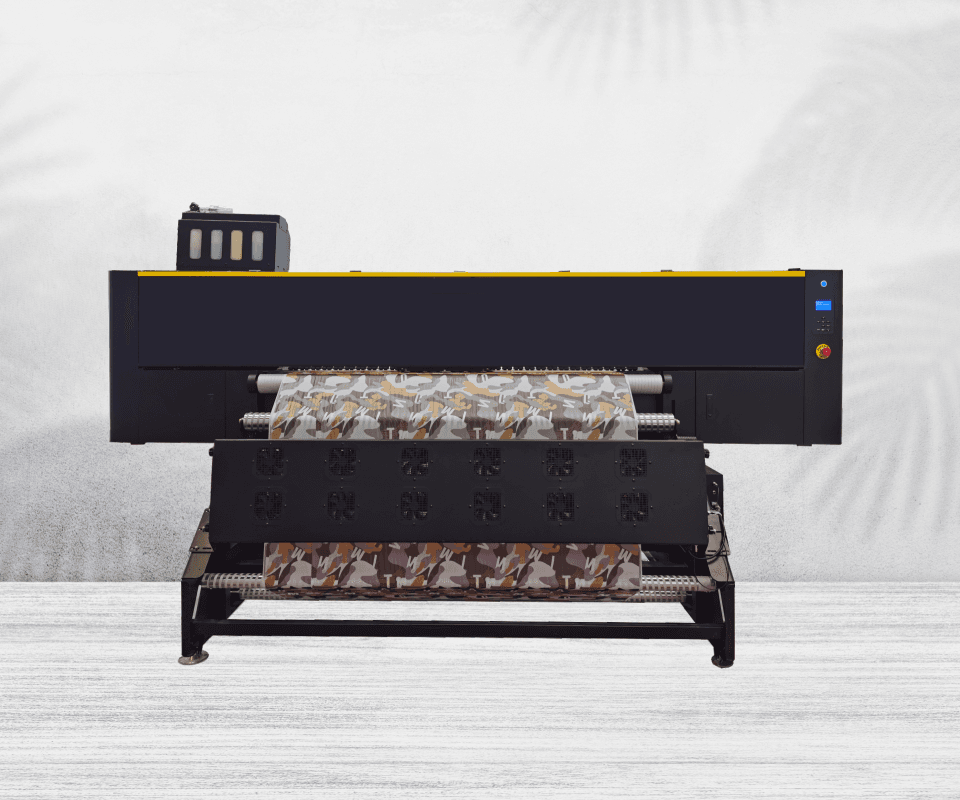
The Mallard 2.0 digital textile printer changes the game with advanced head technology and optimized ink systems. It allows mills to achieve:
- Rapid turnaround for fast-fashion timelines.
- Consistent precision across long production runs.
- Fabric versatility, from cotton and viscose to polyester blends.
Unlike traditional systems, Mallard 2.0 demonstrates that speed doesn’t have to come at the cost of accuracy.
Competitive Advantage for Manufacturers
Choosing Mallard 2.0 over conventional methods brings measurable benefits:
- Sustainability gains with reduced waste, water, and energy usage.
- Operational efficiency by minimizing setup and downtime.
- Scalability for both large export orders and smaller, customized runs.
This dual advantage of efficiency and eco-friendliness makes it a natural fit for globally minded exporters.
Conclusion
The future of textile production is clear. Manufacturers moving from traditional systems to advanced solutions are seeing immediate gains in speed, sustainability, and profitability. The Mallard 2.0 digital textile printer isn’t just a new machine—it’s a strategic investment that redefines production standards and secures long-term competitiveness.