Textile Production Is Becoming More Flexible
The textile industry is shifting from large fixed production to more flexible manufacturing models. Brands now want shorter runs, frequent design changes, customized products, and faster response to market demand.
This is where on-demand textile printing becomes important.
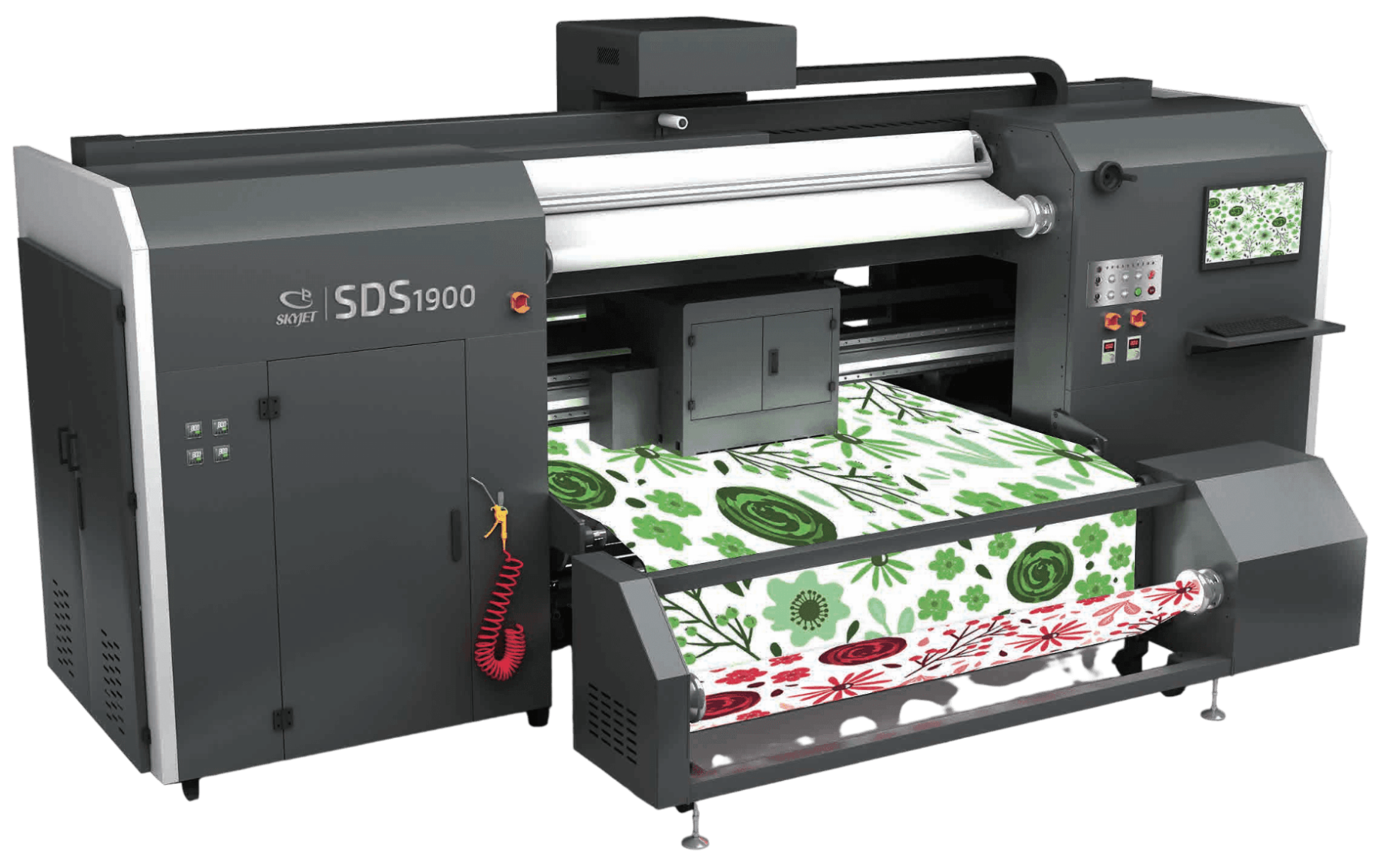
On-demand textile printing allows manufacturers to print based on actual requirement instead of producing large quantities in advance. Digital printing technology supports this model because it reduces setup time and makes design changes easier.
For fashion brands, designers, e-commerce businesses, and boutique labels, this flexibility can create a major advantage.
Small Batch Production Reduces Inventory Risk
One of the biggest challenges in textile production is inventory risk.
When brands produce large quantities before knowing customer demand, unsold stock can become a financial burden. On-demand textile printing helps reduce this risk by allowing smaller production batches.
Brands can test designs, study demand, and then repeat only the products that perform well.
Manufacturers who offer small batch digital printing can become valuable partners for brands that want to stay agile.
Customization Becomes Easier
Customers increasingly look for unique designs, limited editions, and personalized products.
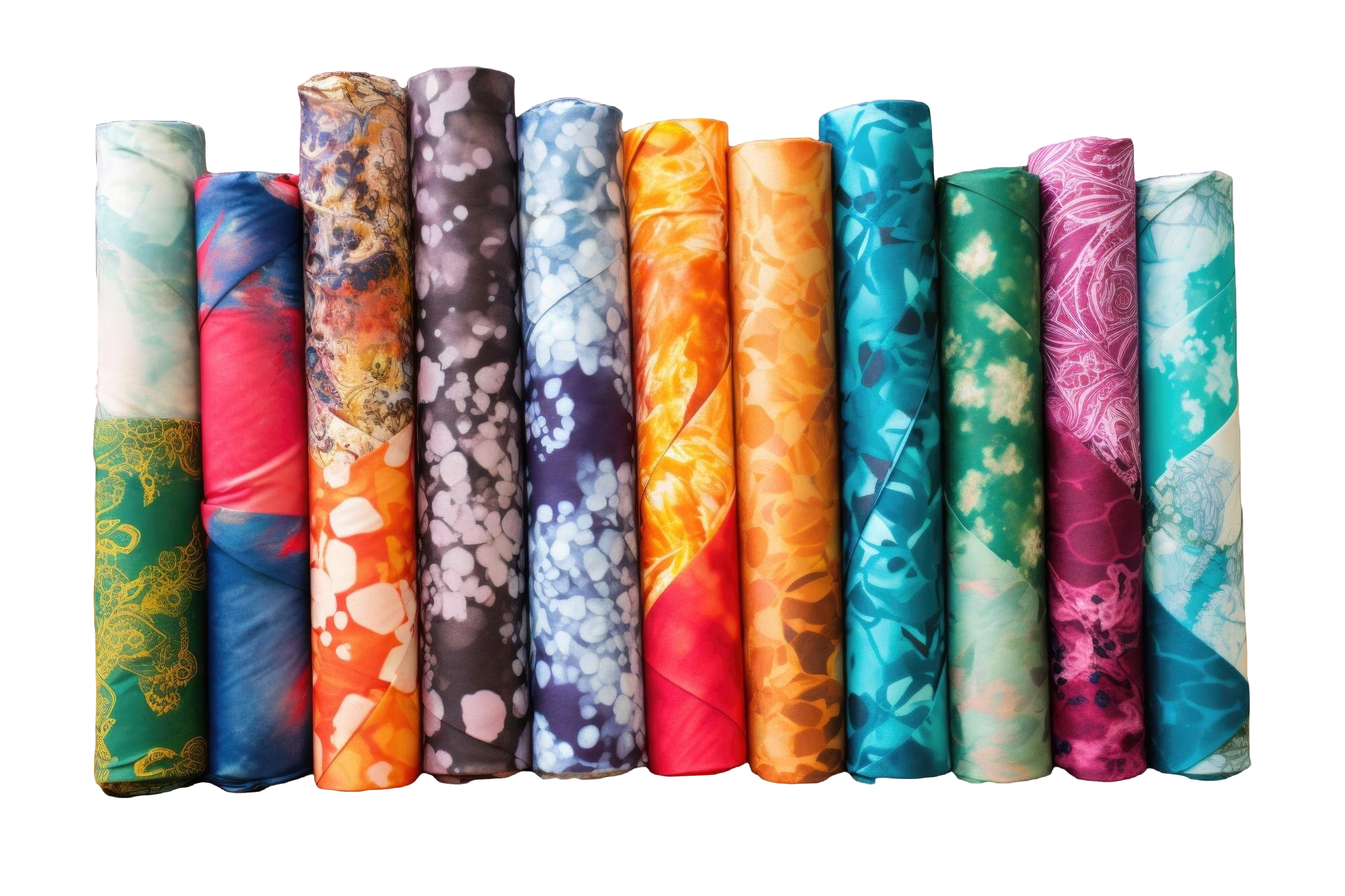
Digital printing supports customization because each design can be changed digitally without long setup processes. This allows printers to handle personalized patterns, special collections, regional designs, and niche product categories.
For businesses serving online fashion, home décor, gifting, or designer fabrics, on-demand textile printing can support new revenue opportunities.
Customization becomes more practical when production is flexible.
Faster Sampling Supports Faster Launches
On-demand production depends on fast sampling and quick approvals.
Digital textile printing helps brands move from concept to sample faster. Once the design is approved, production can begin without major preparation delays.
This is useful for seasonal fashion, festive collections, influencer-led merchandise, limited drops, and fast-moving retail launches.
A faster sampling cycle helps brands remain relevant in changing markets.
Production Control Still Matters
Although on-demand textile printing supports flexibility, it still requires production discipline.
Manufacturers must maintain consistent color, fabric quality, ink performance, and finishing standards even for small batches.
Short-run production should not mean casual production. Every order must meet quality expectations, whether it is ten meters or ten thousand meters.
To succeed in on-demand printing, businesses need a stable digital printing ecosystem.
Conclusion
On-demand textile printing supports small batches, faster launches, custom designs, and reduced inventory risk. It gives brands more flexibility and gives manufacturers new opportunities in short-run and personalized production.
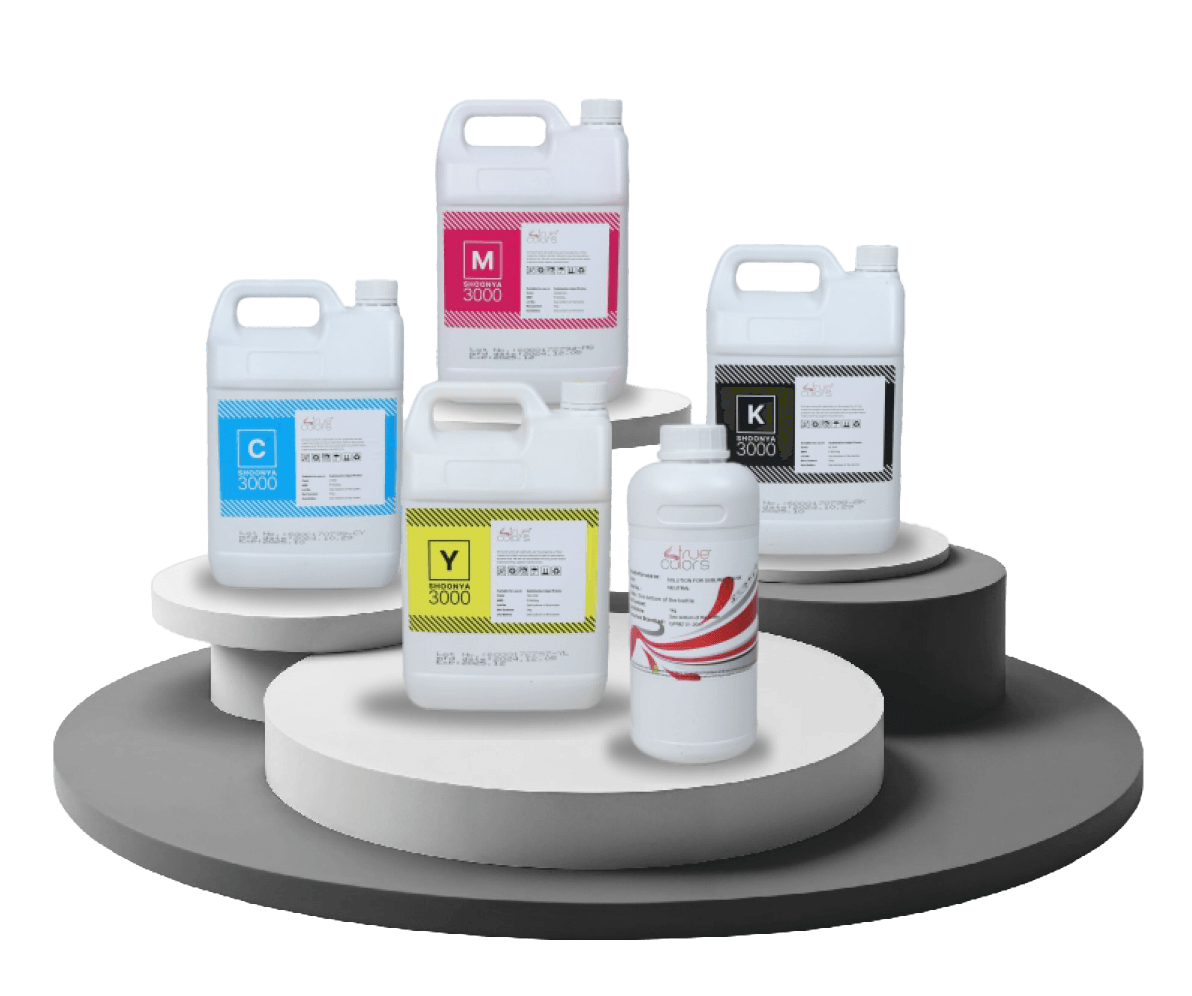
True Colors supports this shift by offering a digital printing ecosystem that can serve both growing manufacturers and flexible production businesses. With digital textile printing machines, Inkia by True Colors inks, True Colors Sublimation Paper, fabrics, and technical support, the brand helps printers manage quality even when order patterns keep changing.
For businesses entering on-demand textile printing, True Colors can help build the foundation for flexible production without losing focus on consistency and reliability.