Textile Brands Want Simpler Production
Textile brands are under pressure to launch faster, reduce development delays, control inventory, and offer more design variety. This has increased interest in printing methods that can simplify production workflows.
Pigment printing in textile production is often discussed because it can support a simpler process for many applications compared to some traditional dye-based workflows.
For brands and manufacturers, the appeal of pigment printing lies in its ability to support flexible design production with potentially fewer process complications, depending on the fabric, ink system, curing method, and final performance requirement.
Why Pigment Printing Is Gaining Attention
Pigment printing is used on different textile materials, especially where brands want design flexibility and process efficiency.
Unlike some printing methods that require more intensive washing or steaming steps, pigment printing can be attractive for manufacturers looking at simpler production routes. However, it still requires proper process control, correct curing, suitable binder performance, and the right fabric selection.
The main point is that pigment printing is not automatically simple by default. It becomes efficient when the full workflow is planned correctly.
Fabric Feel and Fastness Must Be Managed
One of the key factors in pigment printing is fabric feel. Since pigment color generally stays on the fabric surface with the help of binders, the final hand feel depends on the quality of the ink system, binder chemistry, curing, and fabric base.
Brands should not judge pigment printing only by speed. They should also consider rubbing fastness, washing performance, color brightness, softness, and product application.
For fashion fabrics, the print must not only look good but also feel acceptable to the customer. For home textiles or utility fabrics, performance requirements may be different.
Pigment Printing Can Support Shorter Runs
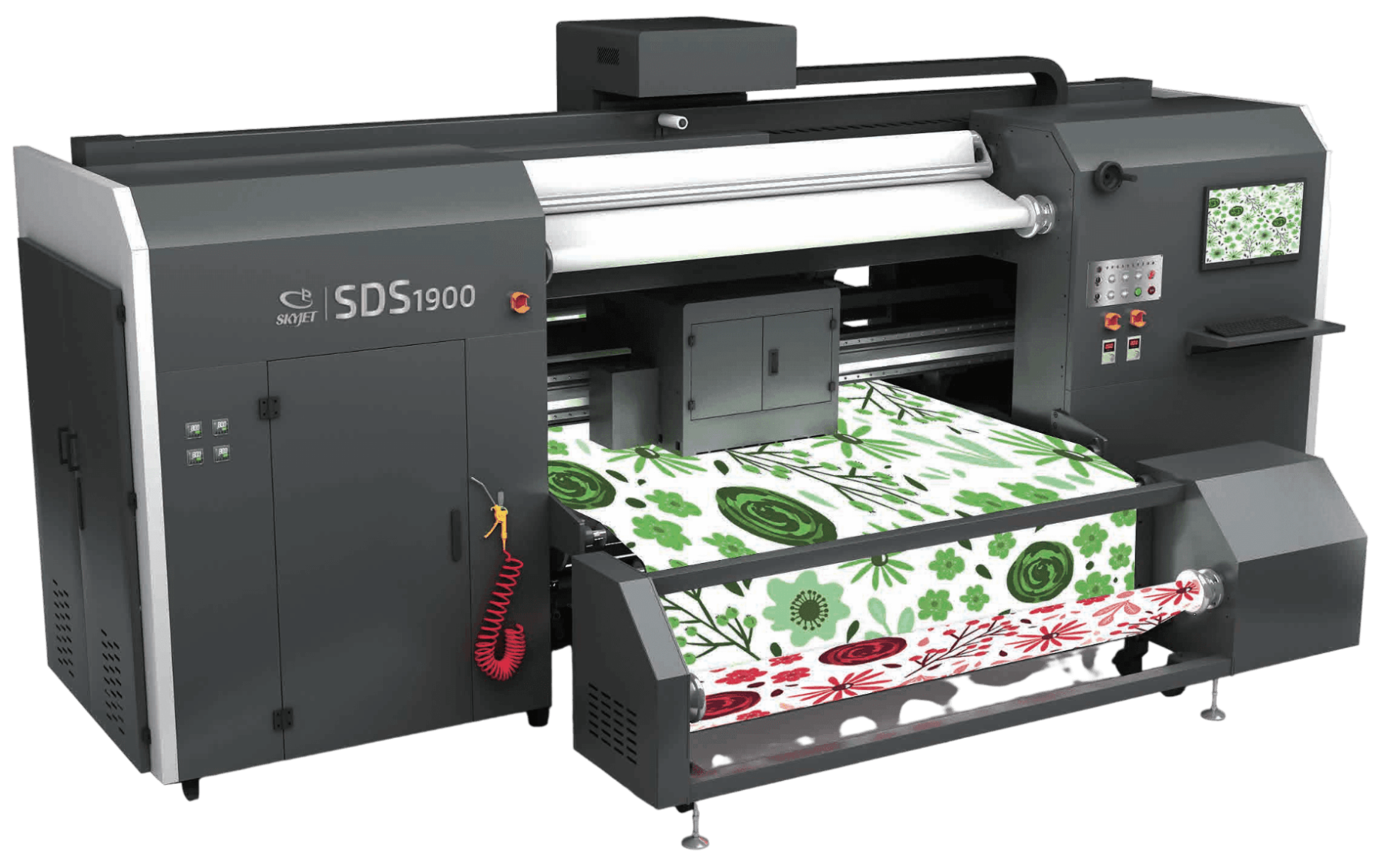
Modern textile brands often need smaller collections, quick sampling, and faster design changes. Pigment printing can support these needs when used with digital textile printing systems.
It allows manufacturers to work with changing artwork and shorter production batches more easily than many traditional large-run processes.
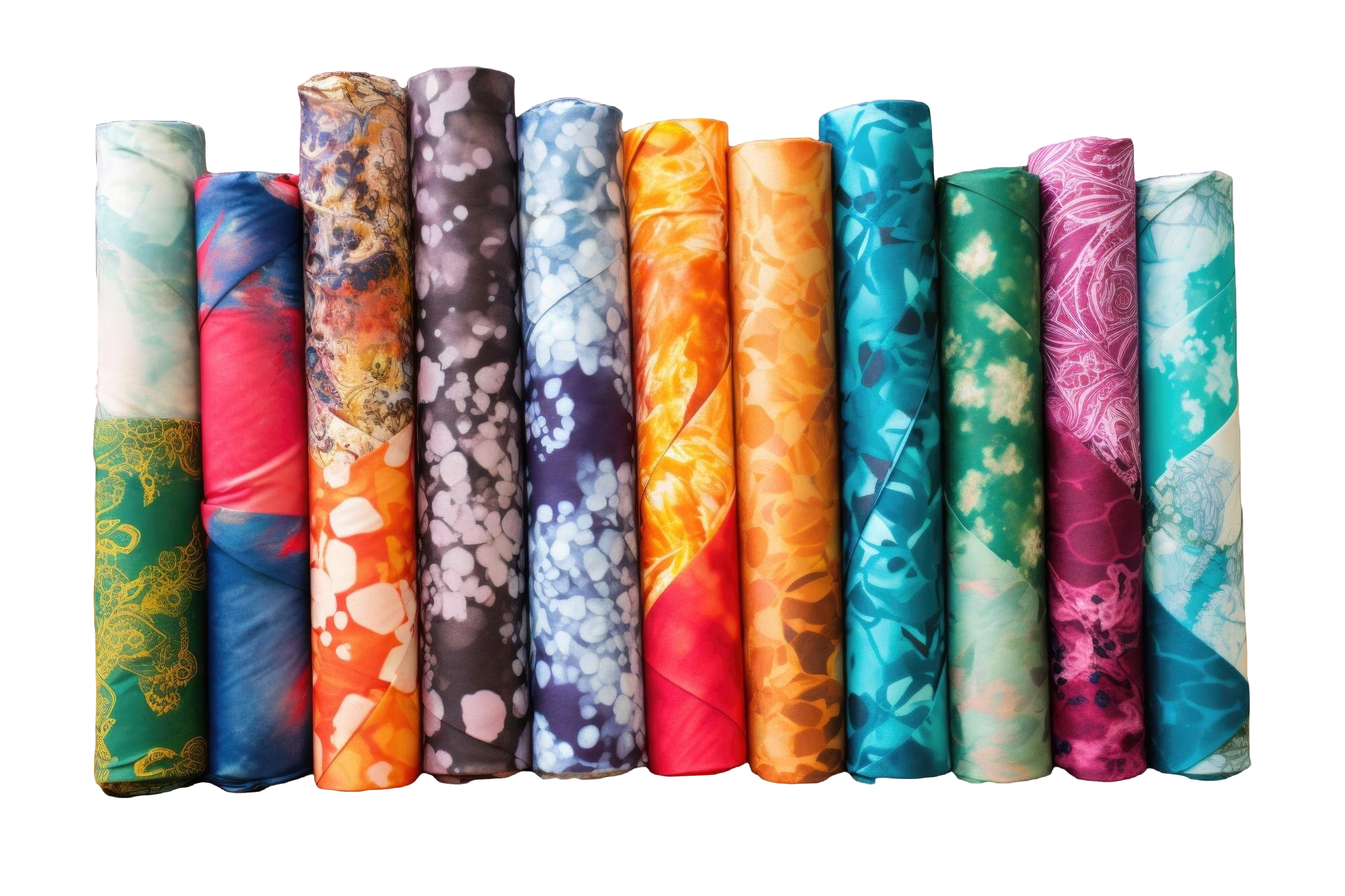
This can be useful for fashion labels, home textile brands, start-up designers, and businesses that want to test market response before producing larger quantities.
Production Discipline Remains Important
Even if pigment printing offers workflow advantages, production discipline is still essential.
Manufacturers must control fabric preparation, ink performance, curing temperature, machine settings, and finishing quality. If the process is not stable, the final fabric may show poor durability, uneven color, or unacceptable texture.
Pigment printing should therefore be approached as a structured production method rather than only a faster option.
Conclusion
Pigment printing textile workflows are gaining attention because brands want faster, simpler, and more flexible production. When planned properly, pigment printing can support shorter runs, design variety, and efficient textile manufacturing.
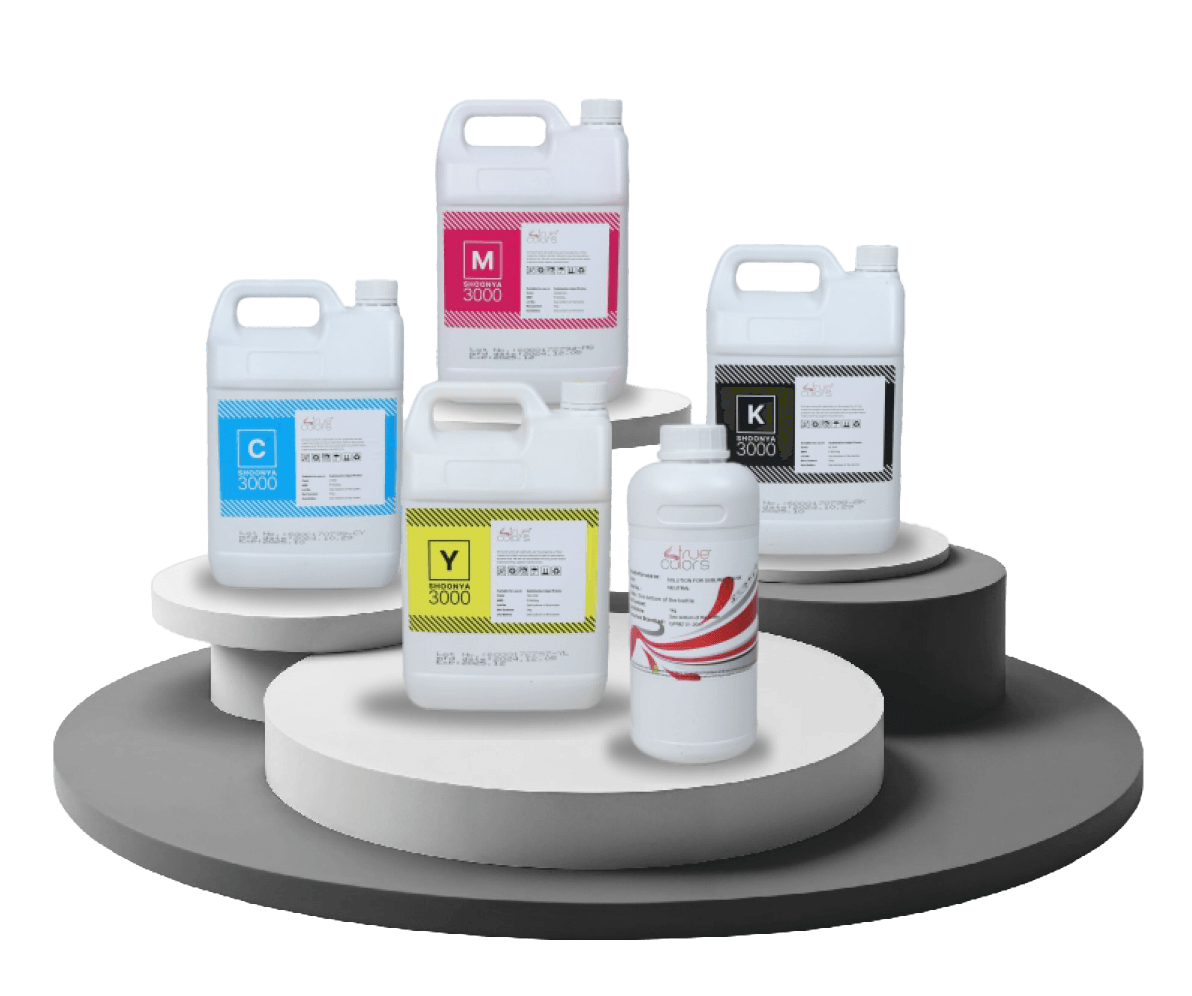
True Colors can support manufacturers exploring pigment printing by helping them understand the relationship between machine technology, ink performance, fabric selection, and service support. With Inkia by True Colors inks, digital printing machines, fabrics, sublimation paper, and technical guidance, True Colors gives businesses a broader ecosystem for making better production decisions.
For brands looking at simpler textile workflows, True Colors can help ensure that speed does not come at the cost of consistency, quality, or long-term reliability.