Print Density Shapes the Final Output
In digital textile printing, two designs printed on the same fabric may behave very differently. One may be light, open, and easy to process, while another may have heavy coverage, deep colors, and dense artwork. This difference is often connected to print density.
Print density in digital textile printing refers to the amount of ink and color coverage used in a design. It affects ink usage, drying behavior, color strength, fabric feel, processing time, and production cost.
Many manufacturers focus on fabric and ink type but do not evaluate how design density changes production behavior.
This can lead to unexpected cost and quality issues.
Heavy Designs Consume More Ink
A design with dark backgrounds, deep shades, large solid areas, or high color coverage will naturally require more ink than a light design with open spaces.
This affects cost per meter and may also influence machine speed, drying time, and post-processing.
If print density is not considered during quotation, the printer may underestimate the real production cost. Two jobs of the same fabric length can have very different ink consumption depending on artwork coverage.
Understanding print density helps businesses price jobs more accurately.
Drying and Transfer Behavior Can Change
Heavy ink coverage may require more drying control. If the print does not dry properly, it can create smudging, transfer defects, handling marks, or uneven output.
In sublimation printing, heavy designs may also place greater demand on sublimation paper and heat transfer control. The paper must handle the ink load properly and release it evenly during transfer.
If the paper, ink, and process are not suitable for the design density, the final fabric may show dull areas, bleeding, or inconsistency.
Fabric Feel Can Be Affected
In some printing methods, heavy print coverage can influence the feel of the final fabric. This is especially important for apparel, scarves, kidswear, activewear, and premium fashion fabrics where softness matters.
A design may look attractive visually but feel unsuitable if the printing process creates stiffness or surface heaviness.
Manufacturers should consider final product use before approving high-density designs for bulk production.
Print quality is not only about appearance. It is also about how the fabric feels and performs.
Design and Production Teams Should Work Together
Print density should be discussed before production begins. Designers may create artwork based on visual appeal, while production teams understand ink usage, drying, fabric feel, and cost impact.
When both teams communicate early, design decisions can be adjusted without affecting creativity.
This helps reduce production surprises and improves customer satisfaction.
A good digital printing workflow connects creative design with practical production requirements.
Conclusion
Commercial digital printing ink plays a critical role in print quality, drying behaviour, media interaction, colour consistency, and overall production efficiency. Evaluating ink only by its purchase price can overlook the factors that influence actual production performance.
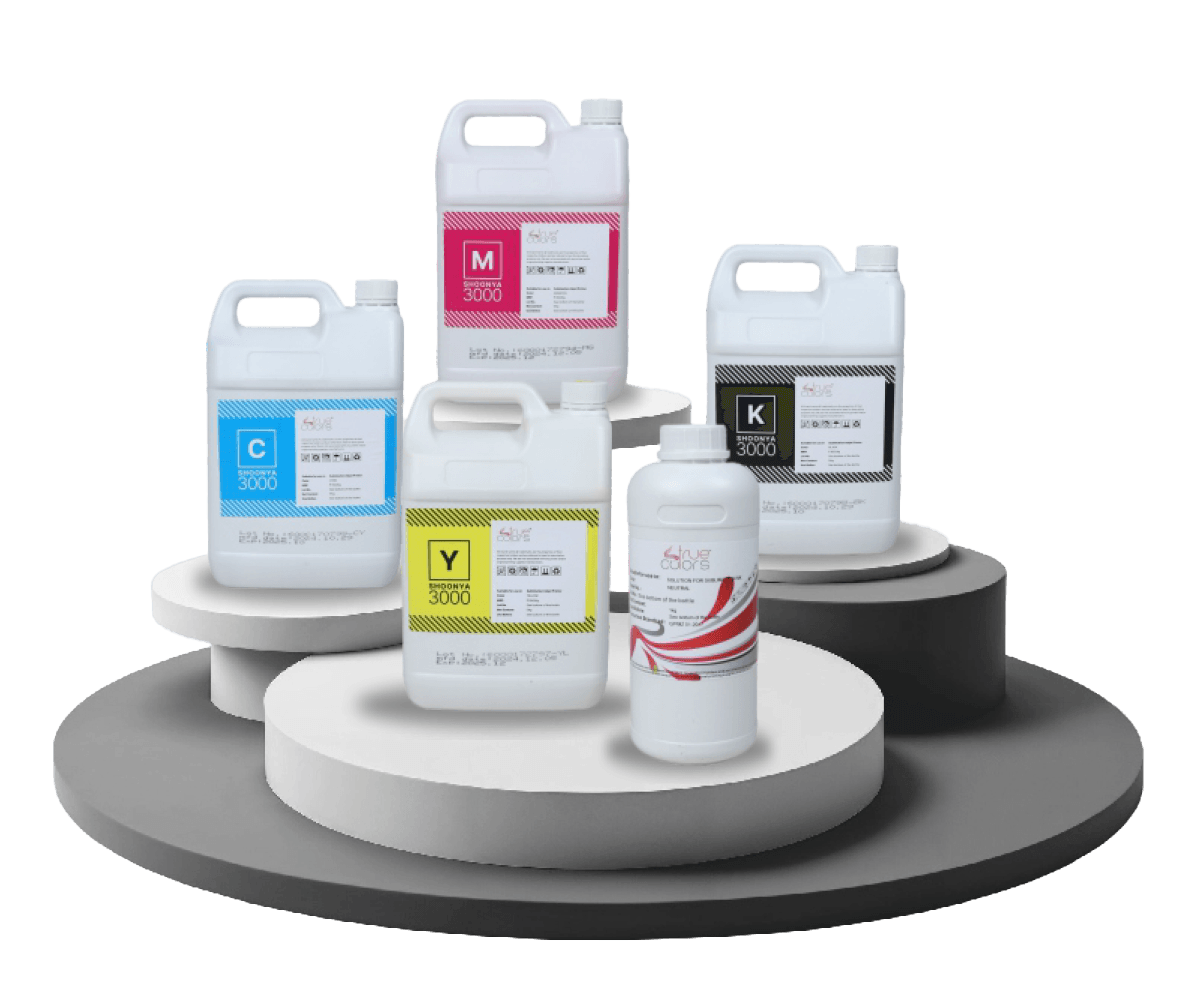
Inkia by True Colors is designed as part of True Colors broader digital printing ecosystem, helping printers approach ink selection with a focus on application requirements, production performance, and compatibility.
For commercial printers seeking consistent output and dependable production, the right ink is not simply what goes into the machine. It is part of what determines how effectively the complete printing system performs.