Peak Season Tests Real Production Capacity
Every textile manufacturer knows that peak season creates pressure. Orders increase, timelines become shorter, customer expectations rise, and machines run for longer hours.
This is when textile printing machine capacity planning becomes very important.
Many businesses calculate capacity based only on machine speed. However, real production capacity depends on usable output, machine uptime, job changeovers, fabric handling, maintenance, operator skill, ink stability, and finishing time.
A machine may have a strong rated speed, but peak season success depends on how much consistent production the factory can actually deliver.
Rated Speed Is Not the Same as Daily Output
Machine brochures often mention maximum speed, but production floors operate under real conditions.
During actual printing, time is spent on loading fabric, checking files, approving samples, cleaning printheads, changing rolls, adjusting settings, monitoring quality, and handling unexpected stoppages.
This means the daily output may be lower than the theoretical machine speed.
Manufacturers should plan capacity based on practical production numbers, not ideal conditions. This helps avoid overcommitting to customers and reduces delivery pressure.
Order Mix Affects Capacity
Peak season capacity also depends on the type of orders being printed.
A factory handling one long repeat order may produce more meters in a day compared to a factory handling many short jobs with frequent design changes.
Design complexity, ink coverage, fabric width, print quality requirement, sampling approvals, and finishing needs all influence actual capacity.
This is why capacity planning should consider the full order mix rather than only the total number of meters required.
Downtime Must Be Planned Before It Happens
Many businesses think about downtime only when a machine stops. During peak season, this can become costly.
Preventive maintenance should be planned before the rush begins. Operators should check machine health, ink systems, fabric feeding, printhead condition, software settings, and service requirements before production pressure increases.
A well-maintained machine is more likely to support stable production during long working hours.
People and Workflow Decide Final Capacity
Machine capacity is not decided by the machine alone. Operators, supervisors, designers, quality teams, and finishing teams all affect output.
If design files are delayed, fabric is not ready, operators are not trained, or finishing is overloaded, the printing machine cannot deliver its full potential.
Peak season planning should therefore include the complete workflow from order confirmation to dispatch.
When every department is aligned, production becomes smoother and more predictable.
Conclusion
Textile printing machine capacity planning helps manufacturers manage peak season pressure with more confidence. Real capacity depends on practical output, order mix, machine uptime, operator skill, maintenance, and workflow coordination.
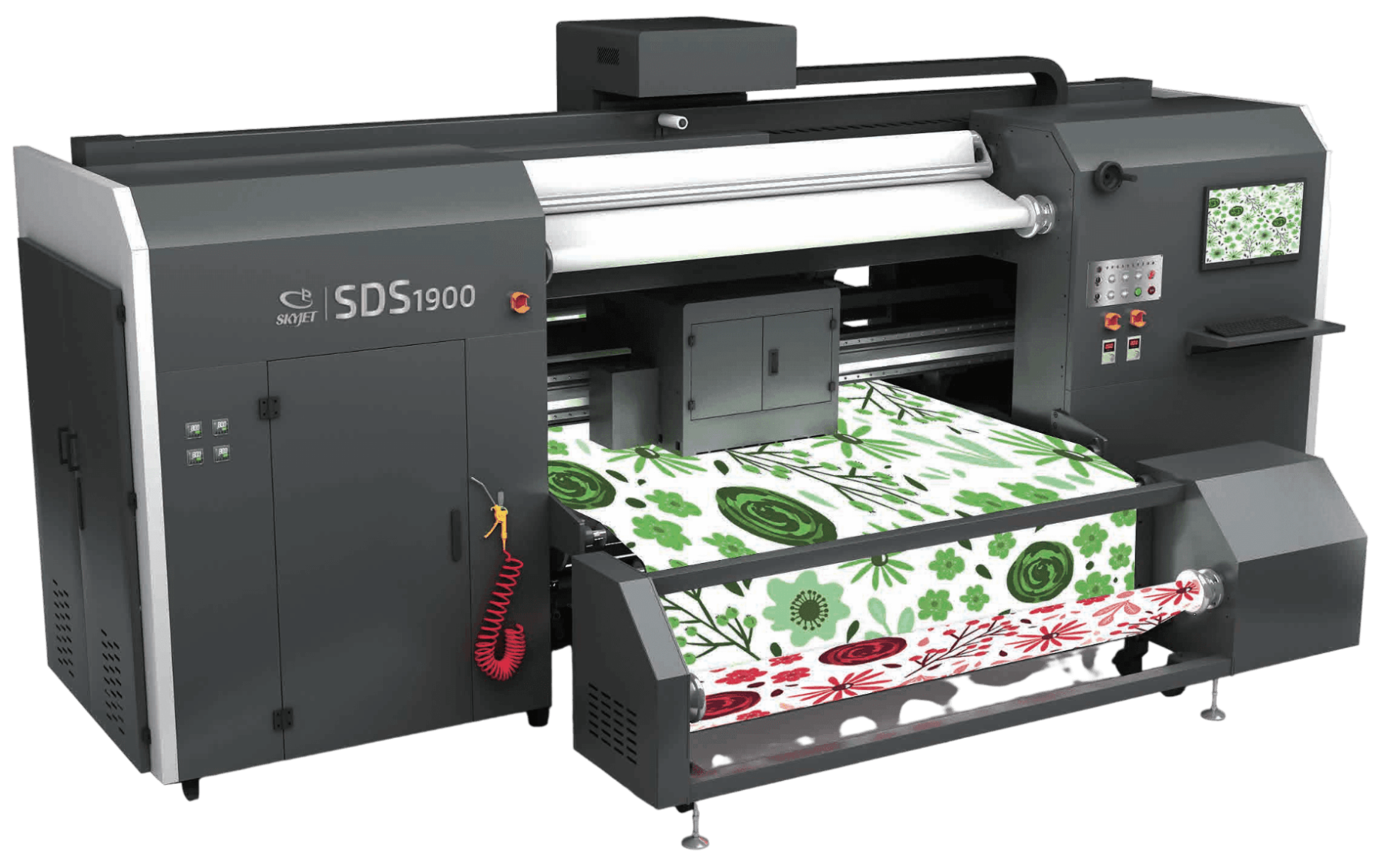
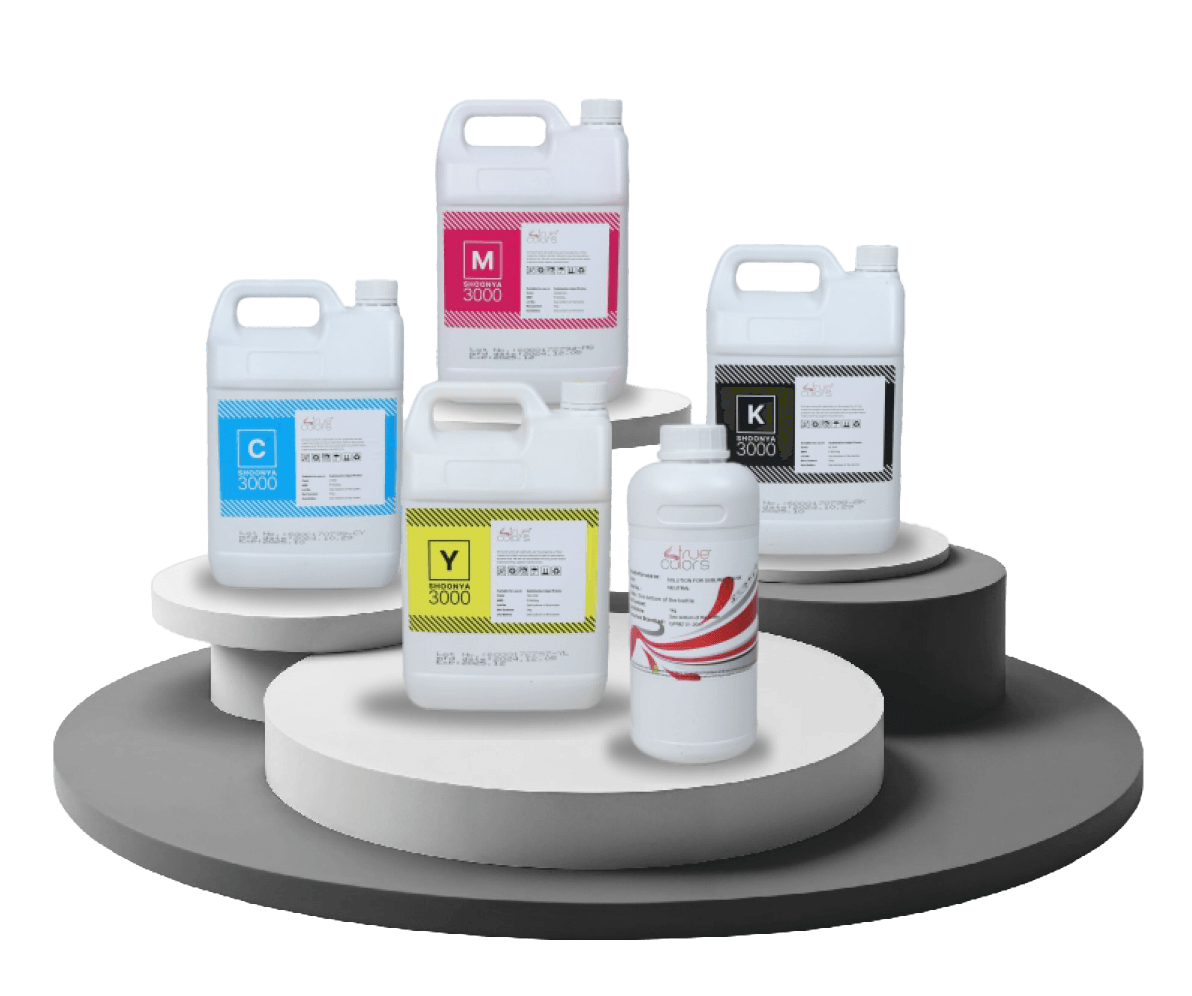
True Colors supports peak-season readiness by helping manufacturers look at production capacity as a complete system. Through digital textile printing machines, Inkia by True Colors inks, True Colors Sublimation Paper, fabrics, and technical service support, True Colors helps businesses prepare for high-demand periods with better stability.
For manufacturers facing seasonal production pressure, True Colors can provide the machine knowledge, consumable understanding, and service support needed to keep printing operations more dependable when demand is at its highest.