For Indian textile exporters, choosing the right ink is just as important as selecting the right fabric. Global buyers demand consistency, durability, and compliance with eco-standards. But with multiple chemistries available, many mills wonder: reactive, disperse, or pigment inks— which is the best fit for export markets?
Reactive Inks: Brightness and Durability
Best suited for natural fibers like cotton, viscose, and linen, reactive inks form chemical bonds with fabric. They deliver:
- Exceptional wash fastness for apparel.
- Bright, vibrant shades ideal for fashion exports.
- Soft hand feel, making them popular in global retail.
However, reactive printing involves more water and energy in post-processing, which exporters must manage carefully.
Disperse Inks: Polyester Specialist
For sportswear, home décor, and technical textiles—where polyester dominates—disperse inks are the top choice. Their benefits include:
- High durability against light and washing.
- Sharp prints at industrial speeds.
- Strong compliance with performance textile requirements.
Disperse inks align perfectly with markets demanding functionality, such as Europe and North America.
Pigment Inks: Sustainable Versatility
As buyers push for sustainable practices, pigment inks are gaining traction. Suitable across multiple fabrics, they offer:
- Lower water usage compared to reactive/disperse processes.
- Shorter workflows, making them cost-efficient.
- Good durability for home textiles, fashion basics, and fast-fashion runs.
While not as bright as reactive, pigments’ eco-friendly appeal makes them attractive for markets with strict environmental norms.
Matching Inks to Your Export Market
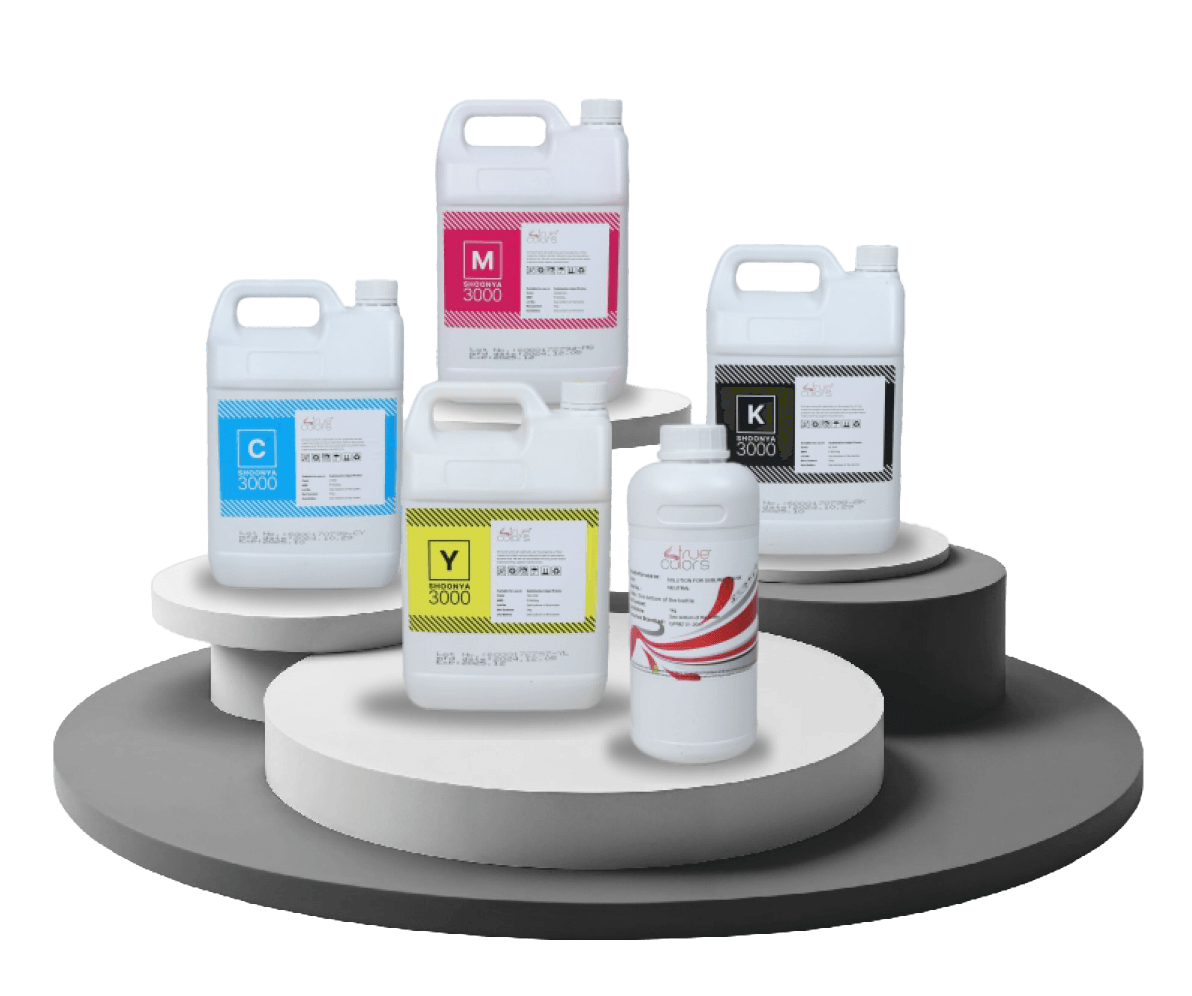
Ultimately, the choice between reactive, disperse, or pigment inks depends on:
- Fabric base (cotton, polyester, viscose, blends).
- End-use (fashion, sportswear, upholstery, home textiles).
- Market regulations (sustainability and compliance standards).
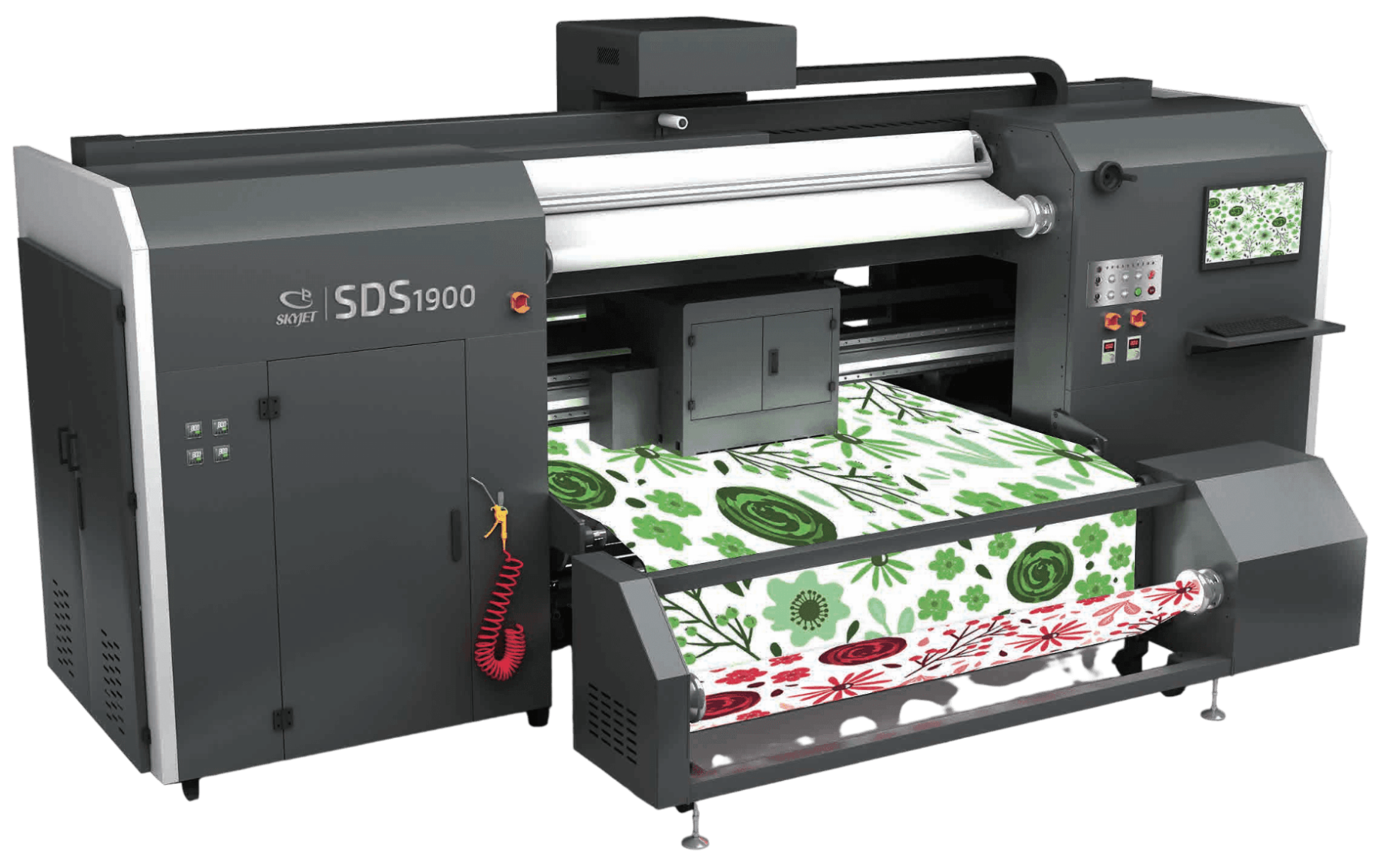
Smart machines like the Hopetech G1 give exporters flexibility to work with multiple inks—ensuring export-grade consistency across diverse markets.
Conclusion
In a competitive export landscape, ink choice can be the difference between acceptance and rejection. Whether reactive, disperse, or pigment inks, selecting the right chemistry ensures compliance, durability, and customer trust.
👉 Next Step: Book a test print with True Colors to find the perfect ink-fabric match for your export orders.