Sublimation Paper Is Part of the Production Equation
In sublimation printing, the paper is sometimes treated as a supporting material rather than an important production component. However, the paper sits directly between the printed image and the final transferred output.
Its performance can influence how effectively ink is held, released, and transferred during production.
For commercial printers, this becomes especially important because the objective is not simply to produce one good print. The objective is to reproduce the expected result consistently across an entire production run.
That makes sublimation paper for commercial printing a production decision rather than just a consumable purchase.
Transfer Performance Affects Final Output
A sublimation workflow depends on controlled ink transfer from paper to the final substrate.
The paper needs to handle the printed ink appropriately and release it during the transfer process in a consistent manner. If this behaviour changes, the final output can also change.
Differences in colour intensity, image sharpness, tonal reproduction, and overall appearance can become visible when production quantities increase.
For businesses handling commercial orders, consistency across the run is often more important than achieving one impressive sample.
Paper and Ink Need to Work Together
Sublimation paper does not operate independently from ink. The interaction between the two influences how the printed image behaves before and during transfer.
Ink load, colour density, drying behaviour, coating characteristics, and transfer conditions all contribute to the final result.
This is why changing paper without evaluating its interaction with the existing ink system can create unexpected production differences.
A commercial printing workflow should consider paper and ink as connected elements.
Production Requirements Are Different from Sampling Requirements
A paper that performs well during a small sample may not necessarily deliver the same production efficiency during longer commercial runs.
As production volume increases, small inconsistencies become more visible. Paper feeding, printed image handling, transfer behaviour, and repeatability become increasingly important.
Commercial printers therefore need to evaluate sublimation paper under actual production conditions rather than relying only on short demonstrations.
The real question is not whether the paper can produce a good print. It is whether it can continue producing the expected result throughout the job.
Consistency Becomes More Valuable as Orders Grow
A commercial printing business may handle repeat orders where customers expect the same colour and appearance across different production cycles.
If the paper behaves differently between jobs, achieving repeatability becomes more difficult.
Consistent sublimation paper performance helps create a more predictable production environment. This can simplify quality control and reduce unnecessary adjustments during repeat orders.
For businesses working with demanding customers, this predictability can become an important competitive advantage.
Paper Selection Can Influence Production Efficiency
Production efficiency is not determined only by machine speed.
If paper causes frequent handling issues, inconsistent transfer, or additional production adjustments, the practical output of the printing operation can be affected.
Reliable paper performance allows operators to spend less time correcting avoidable issues and more time maintaining the planned production flow.
This becomes increasingly relevant for businesses operating commercial sublimation printing at scale.
True Colors Sublimation Paper
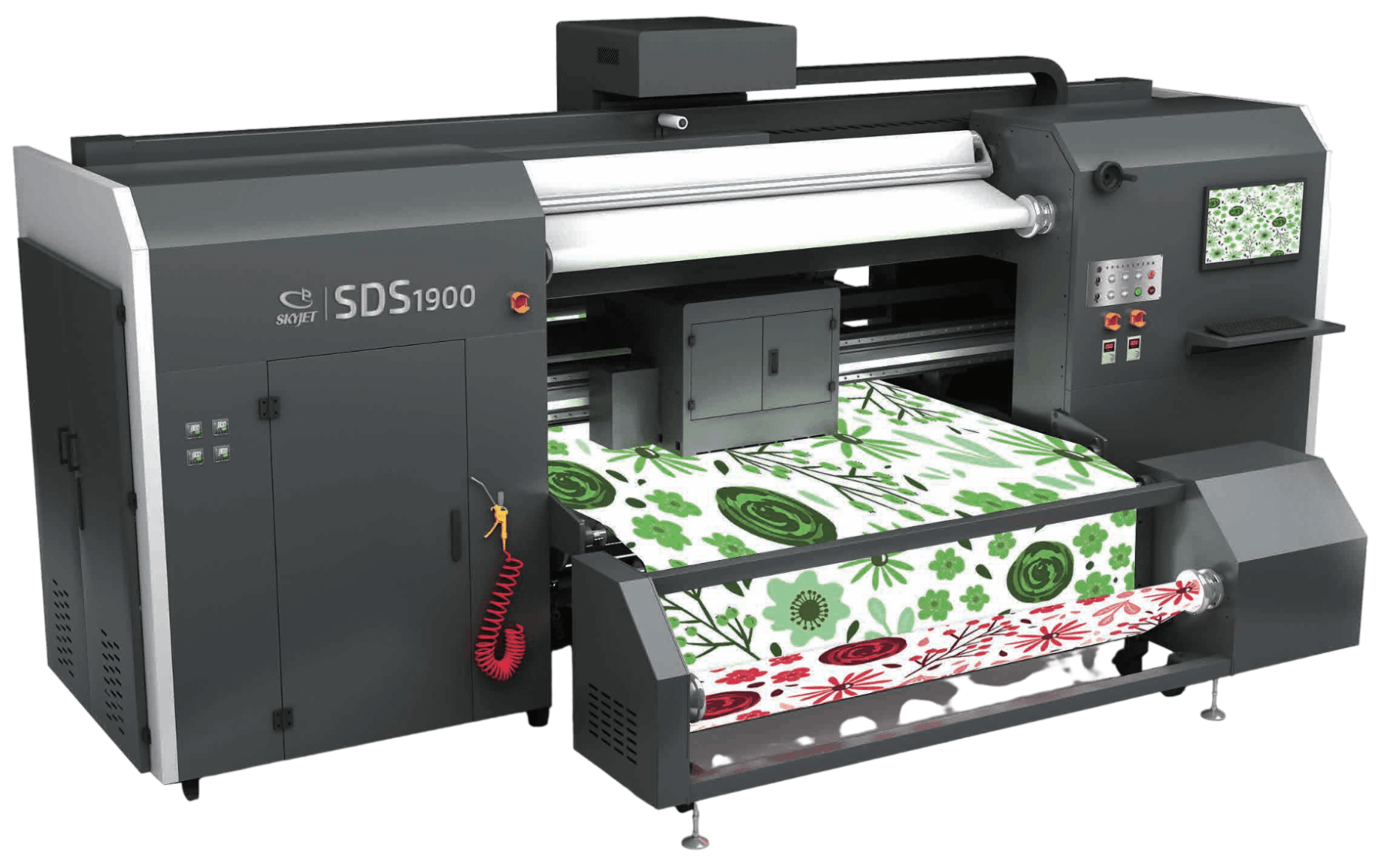
True Colors Sublimation Paper is part of the wider True Colors digital printing ecosystem, designed to support sublimation applications where transfer quality and production consistency are important.
The value of a sublimation paper solution should be considered within the complete printing process, where ink, printing technology, paper, substrate, and transfer conditions work together.
For commercial printers, this approach helps move the discussion away from simply comparing paper prices and toward evaluating actual production performance.
Conclusion
Sublimation paper for commercial printing plays an important role in transfer quality, colour reproduction, consistency, and production efficiency. As printing volumes increase, the performance of the paper becomes increasingly important because even small variations can affect larger quantities of output.
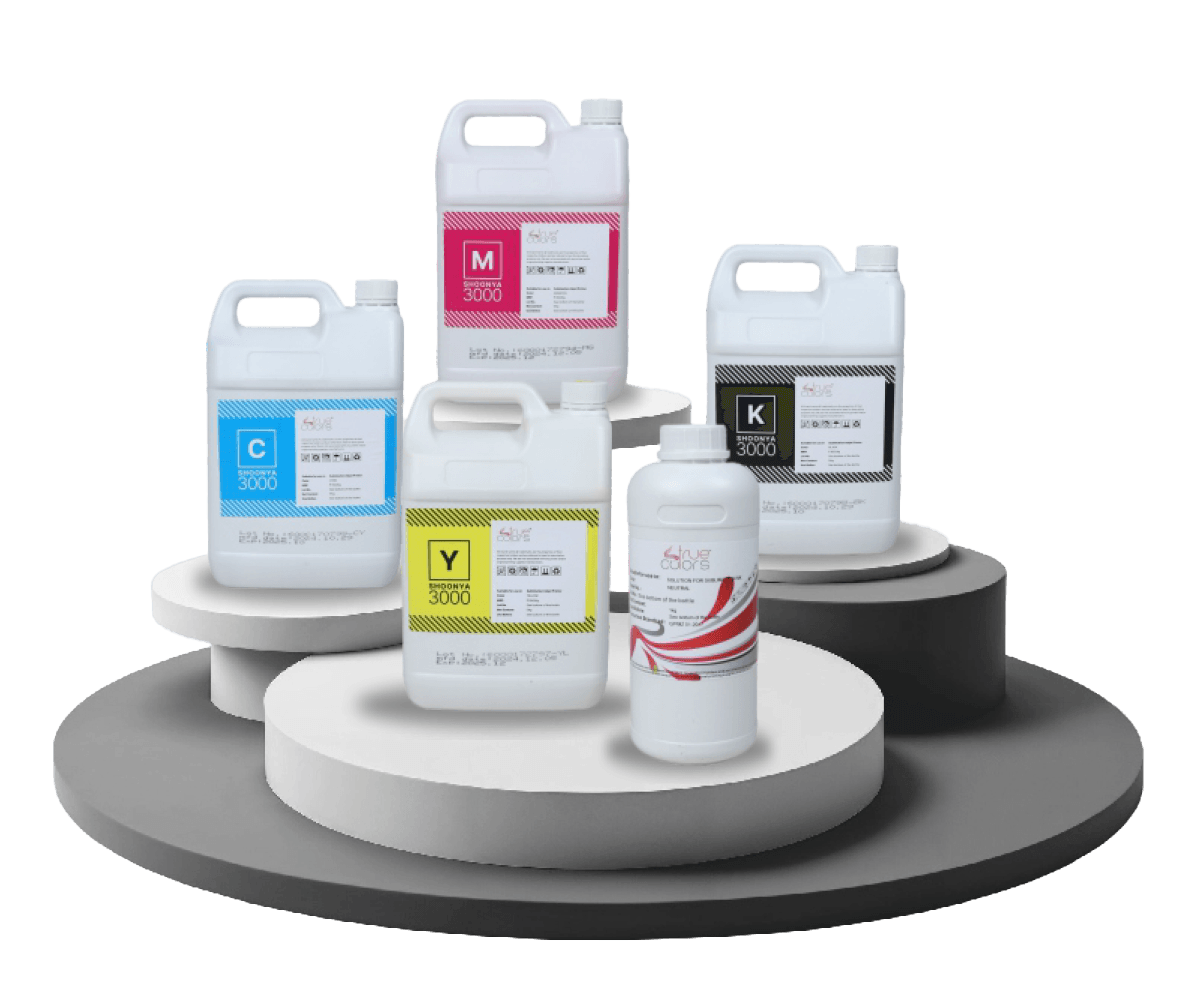
With True Colors Sublimation Paper, True Colors brings paper into a wider digital printing ecosystem that also includes printing technology, Inkia by True Colors inks, and application-focused expertise.
For businesses looking to build a dependable sublimation production setup, the right paper is not just a consumable. It is part of what determines how consistently the complete printing process performs.