Color Changes Across the Printing Journey
In textile printing, a design begins on a screen but ends on fabric. Between these two stages, many factors influence how the final color appears.
Color management in textile printing helps reduce the gap between digital artwork and printed fabric.
Without proper color control, manufacturers may face shade variation, repeated sampling, customer dissatisfaction, and production delays.
This is why color management should be treated as an important part of the digital textile printing workflow.
Screen Color Is Not Final Fabric Color
Designers often approve artwork on monitors, but screen color is created through light while fabric color is created through ink, material absorption, printing process, and finishing.
This means the same design can appear different on screen, paper, and fabric.
Manufacturers should educate customers and internal teams about this difference. The goal of color management is not to make every screen look exactly like fabric, but to create a controlled and repeatable process that reduces unexpected variation.
Fabric Type Influences Color Output
Different fabrics produce different color results.
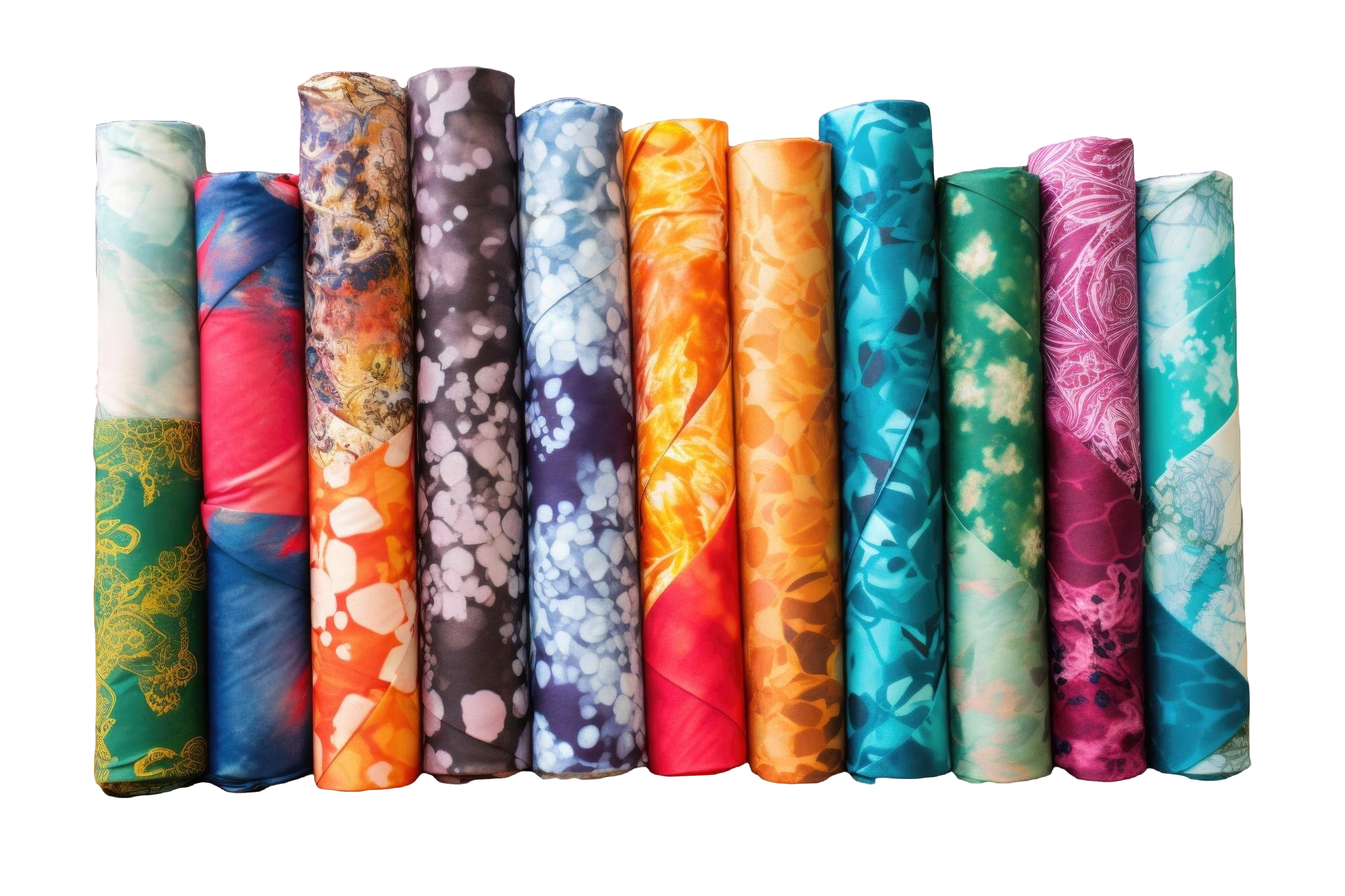
Polyester, cotton, viscose, silk, blends, and other materials absorb or receive ink differently. The same print file can look brighter on one fabric and softer on another.
Fabric construction, surface texture, moisture, pre-treatment, and finishing also influence final color.
This is why color matching should always be tested on the actual production fabric, not only on a sample base that looks similar.
Ink, Machine and Profile Must Work Together
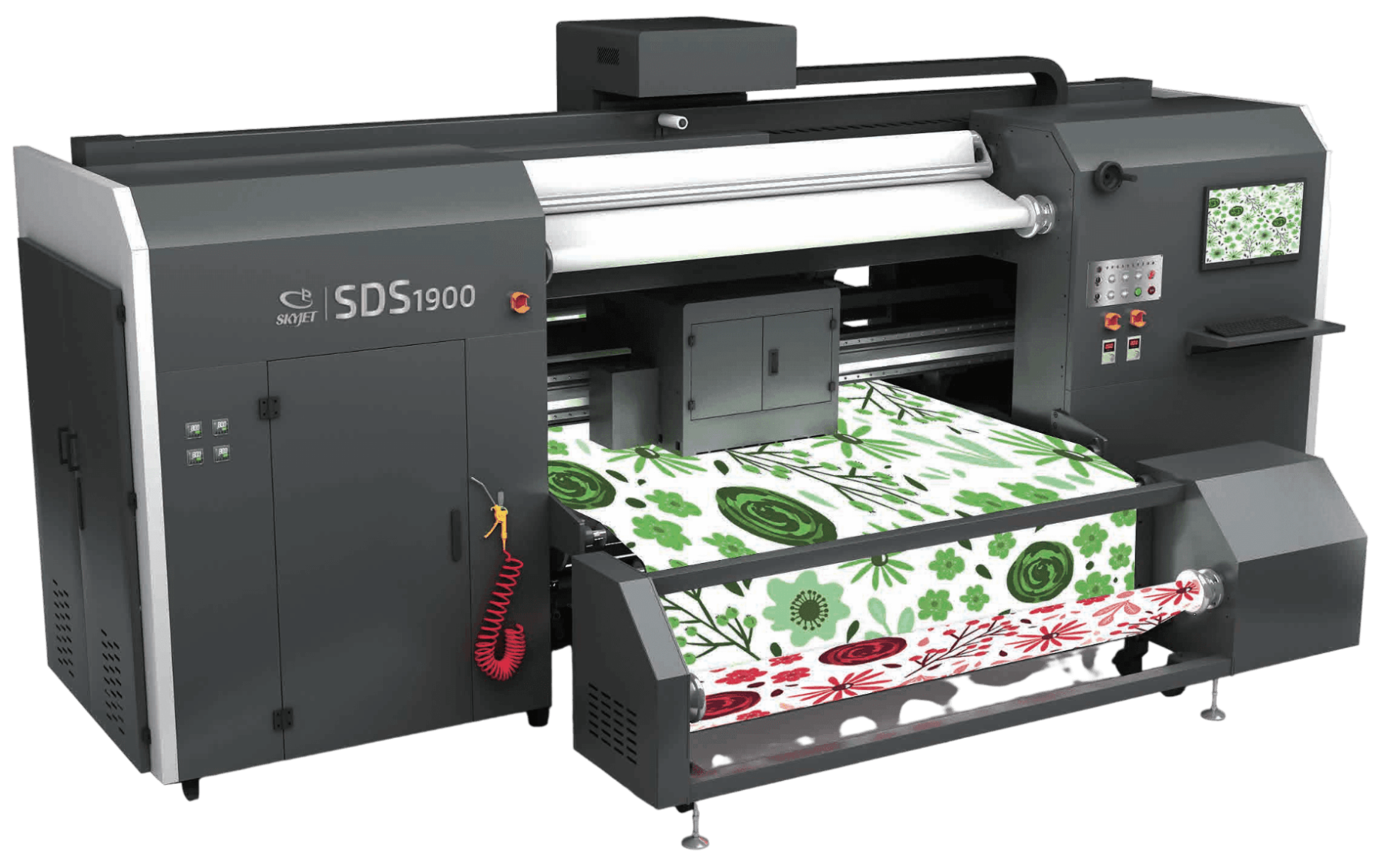
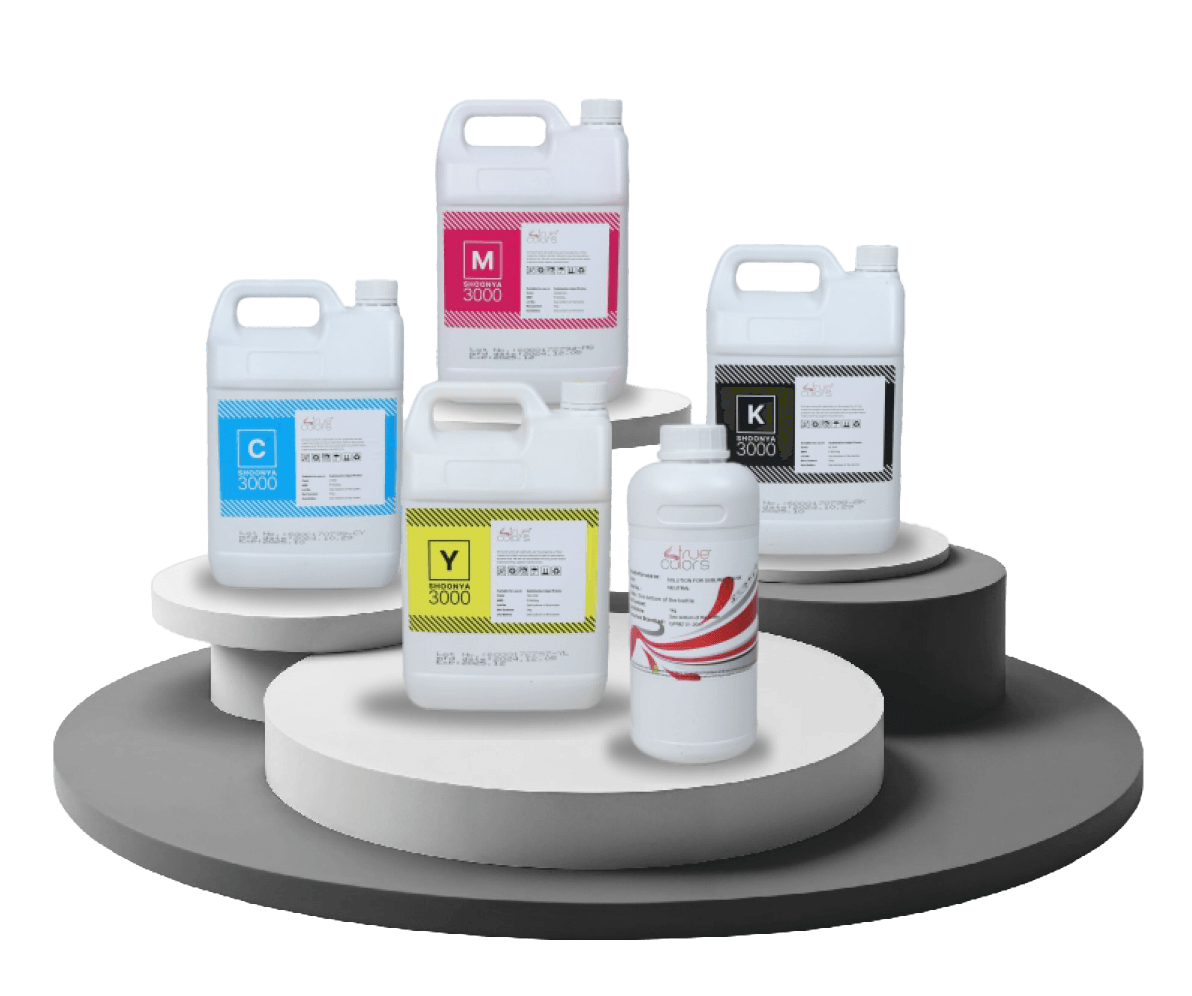
Color management depends on the relationship between ink, machine settings, RIP software, profiles, fabric, and production conditions.
If one element changes, the color result may change.
Manufacturers should maintain controlled settings for approved jobs and avoid unnecessary changes during repeat production.
A stable workflow helps improve repeatability, especially for export orders, brand approvals, and bulk production.
Sampling Helps Prevent Bulk Production Issues
Sampling is an important part of color management.
Before bulk production, manufacturers should print samples, review color output, check fabric behavior, and confirm customer approval.
Once the sample is approved, the same settings and material combinations should be followed during production.
This helps reduce shade variation and improves confidence between the printer and customer.
Conclusion
Color management in textile printing helps manufacturers control the journey from design screen to final fabric. It reduces shade variation, improves repeatability, and supports more reliable customer approvals.
True Colors’ integrated model is especially useful for color-sensitive production because it connects multiple factors that affect final output. Machines, Inkia by True Colors inks, True Colors Sublimation Paper, fabrics, and technical support all influence color consistency in different ways.
For manufacturers who struggle with repeated shade corrections, True Colors can help bring more structure to the printing process by supporting the complete production chain rather than focusing on one isolated component.