Good Printing Starts Before the Machine Runs
In digital textile printing, many production issues begin before the fabric reaches the machine.
A design file may look good on screen, but that does not always mean it is ready for fabric printing.
Print file preparation for textile printing is one of the most important steps in the production workflow. It affects color accuracy, scale, repeat matching, sharpness, and final fabric quality.
If the file is not prepared properly, even a good machine and quality ink may not deliver the expected result.
Why Screen Colors and Fabric Colors Differ
One common challenge in textile printing is the difference between screen color and final fabric color.
Designers usually create artwork on digital screens. However, fabric printing depends on ink, fabric type, color profile, machine settings, and finishing process.
This means the same design may look different after printing.
Proper file preparation helps reduce this gap. It allows the production team to manage color profiles, check artwork resolution, and prepare the file according to the actual printing process.
Color management is not only a design step. It is a production requirement.
Repeat Pattern Accuracy Is Very Important
Textile designs often use repeat patterns. If the repeat is not prepared correctly, the final fabric may show visible breaks, mismatched edges, or design alignment issues.
This is especially important for fashion fabrics, home textiles, bedsheets, curtains, and export fabrics.
Before production, the design file should be checked for:
repeat size,
edge matching,
motif placement,
scale accuracy,
resolution,
and color separation requirements.
A small file error can become a large production loss when printed across hundreds or thousands of meters.
File Resolution Affects Print Sharpness
Low-resolution artwork can create blurred prints, unclear motifs, and poor detailing.
In digital textile printing, the artwork should be prepared at the right resolution for the required output size.
Manufacturers should avoid stretching small files for large fabric prints because this can reduce sharpness.
Design files should also be checked for unwanted pixels, broken lines, color noise, and format issues.
Good file preparation improves print quality and reduces rework.
Communication Between Design and Production Teams Matters
Many printing mistakes happen because the design team and production team do not communicate clearly.
Designers may focus on visual appeal, while production teams need technical clarity.
Before printing, both teams should confirm fabric type, print size, color expectation, repeat pattern, production quantity, and finishing requirement.
This helps avoid confusion and improves first-time-right production.
Conclusion
Print file preparation for textile printing is not a small pre-production step. It directly affects print quality, color accuracy, fabric appearance, and production efficiency.
When files are prepared correctly, manufacturers can reduce sampling errors, wastage, and production delays.
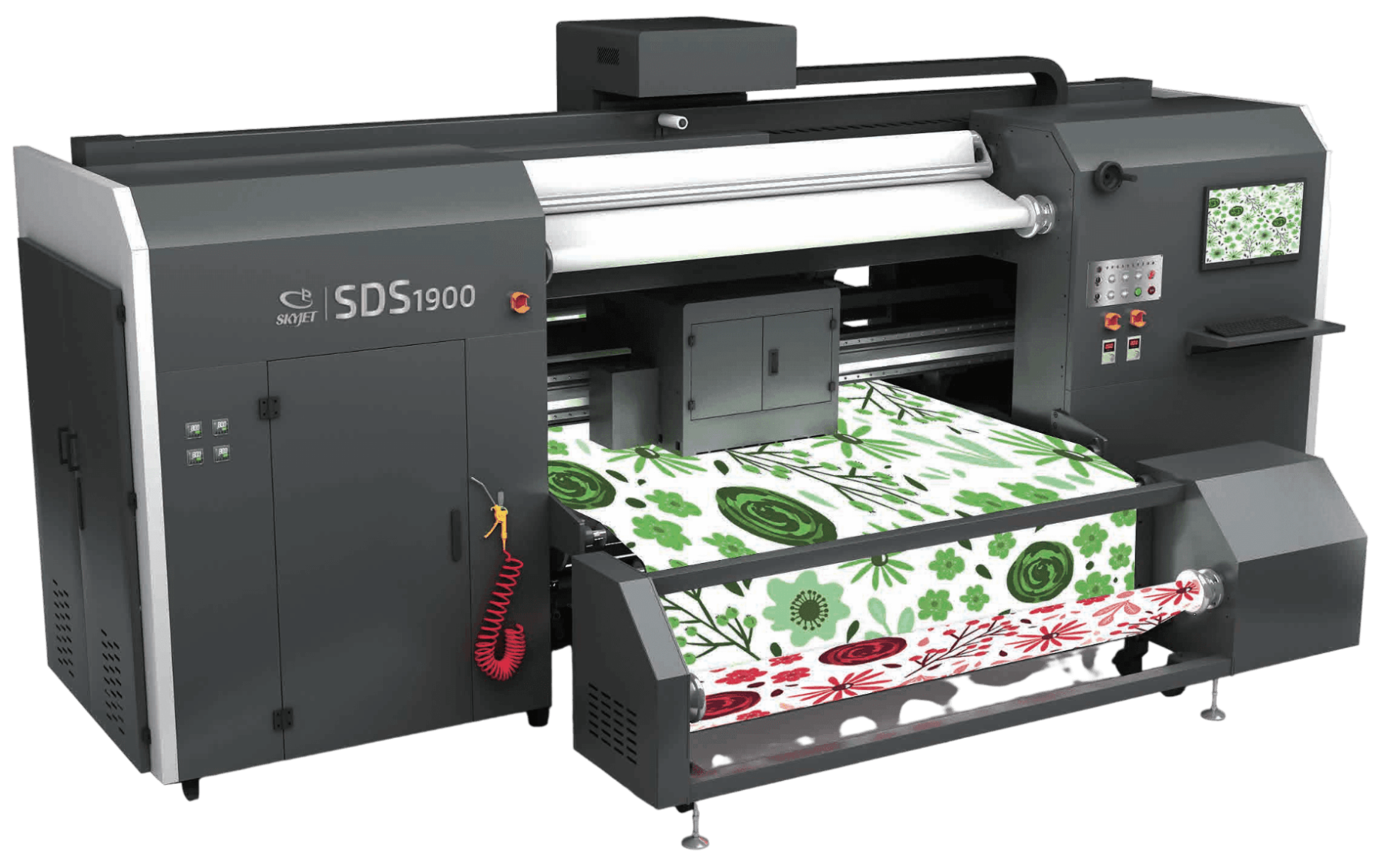
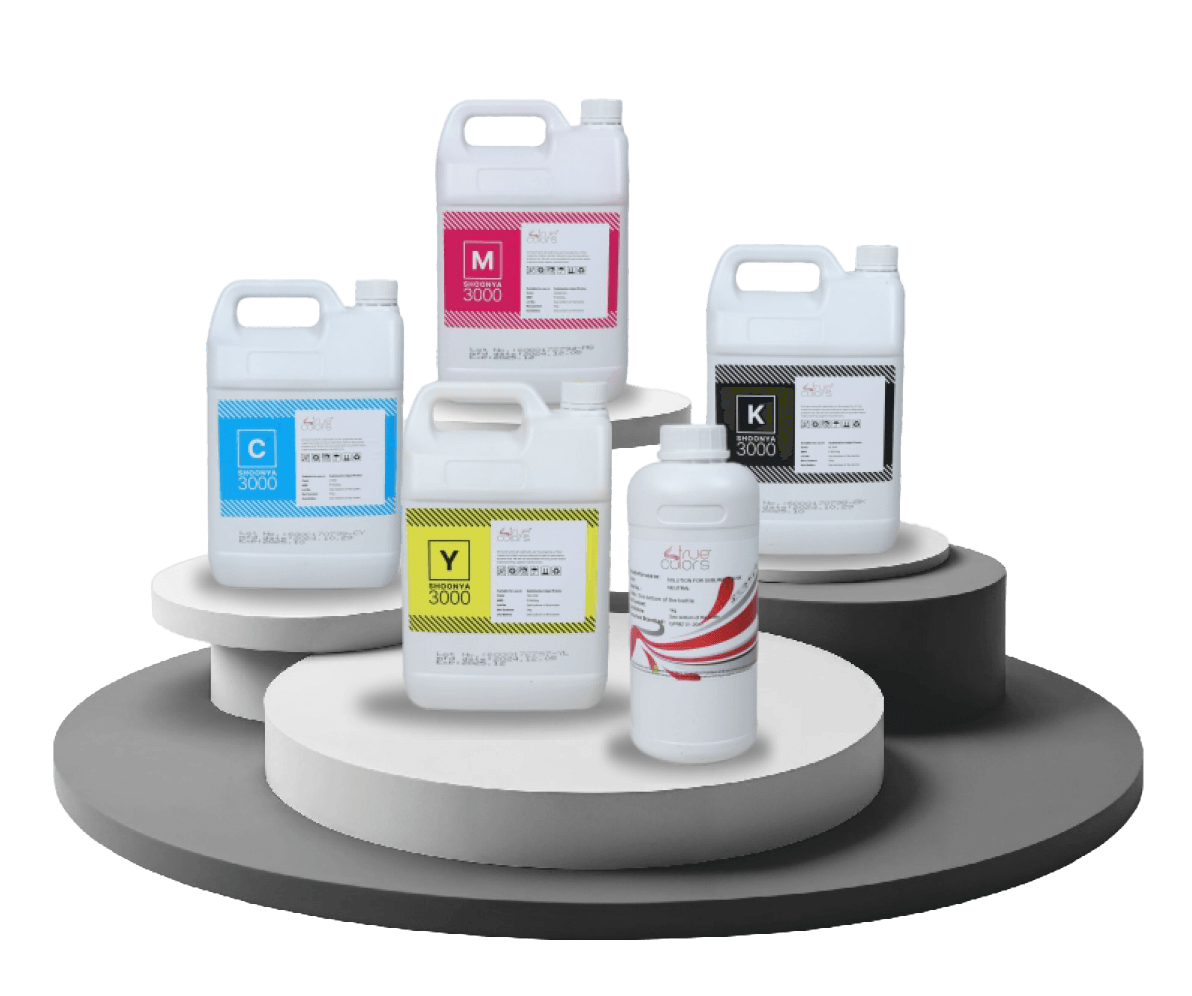
True Colors understands that successful digital textile printing depends on the complete workflow, not just the machine. With digital printing machines, Inkia by True Colors inks, True Colors Sublimation Paper, fabrics, and technical support, True Colors helps businesses build a more controlled and reliable printing process.
Through TRUE TEAM’s after-sales and technical guidance, printers can receive support that goes beyond installation and helps improve daily production outcomes.