Sampling Decides How Fast a Collection Moves
In fashion and textile product development, sampling is not a small step. It often decides how quickly a collection can move from idea to production.
Brands need to test prints, colors, fabrics, scale, and product feel before placing larger orders. If sampling takes too long, the complete launch timeline gets delayed.
This is why textile sampling with digital printing has become important for fashion brands, exporters, designers, and manufacturers.
Digital printing allows businesses to create samples faster and with more design flexibility compared to processes that require longer setup.
Faster Sampling Improves Decision-Making
When brands receive samples quickly, they can make decisions faster.
They can approve designs, change colorways, adjust scale, test fabrics, and finalize collections with less waiting time. This helps reduce the gap between design planning and production.
In fast-moving fashion markets, this speed can become a competitive advantage.
A delay of even a few days can affect seasonal launches, buyer approvals, or market timing. Digital textile printing helps reduce such delays by simplifying the sampling process.
Multiple Design Options Can Be Tested Easily
Fashion development often requires experimentation.
A brand may want to see the same artwork in different colors, different scales, or different fabric bases. Digital printing makes it easier to test these variations without committing to large quantities.
This helps designers and buyers compare options before finalizing production.
Manufacturers also benefit because they can present more possibilities to customers and improve approval chances.
The ability to test quickly can lead to better design confidence and fewer corrections during bulk production.
Sampling Reduces Production Risk
A well-executed sample helps identify problems before bulk printing begins.
It allows the team to check color output, fabric behavior, design scale, repeat accuracy, hand feel, and finishing compatibility.
If issues are found during sampling, they can be corrected before large quantities are printed.
This helps reduce rejection, wastage, and buyer dissatisfaction.
Digital textile sampling is therefore not only about speed. It is also about risk control.
Repeatability Matters After Approval
Once a sample is approved, the production team must be able to reproduce the same result in bulk.
This requires stable ink, machine settings, fabric handling, color profiling, and process control.
A fast sample is useful only when it can be converted into consistent production.
Manufacturers should maintain proper records of approved settings and material combinations so that the final fabric matches the approved sample as closely as possible.
Conclusion
Textile sampling with digital printing helps fashion brands and manufacturers move faster, test more ideas, reduce risk, and improve production planning. In markets where trends change quickly, sampling speed can directly affect business opportunities.
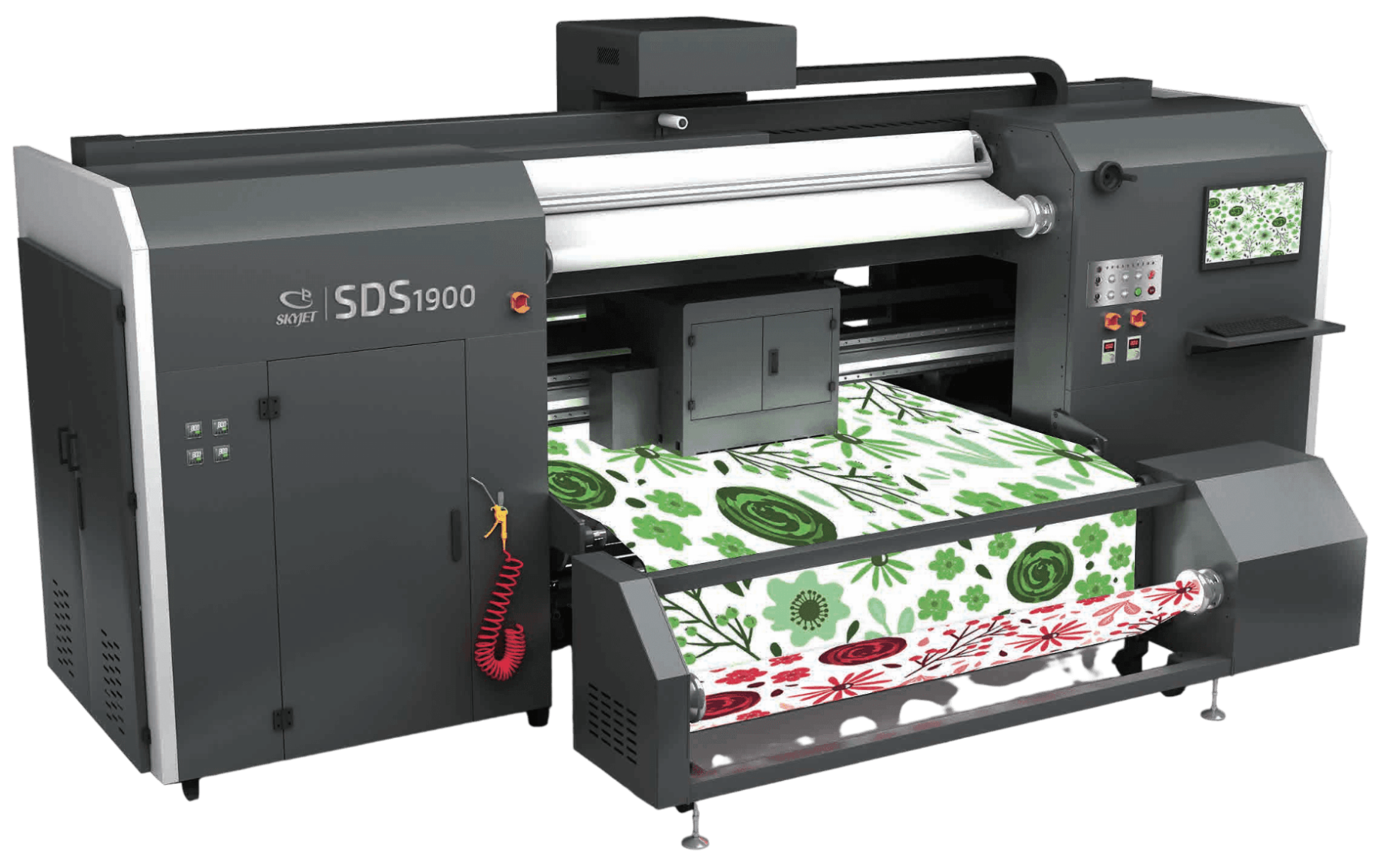
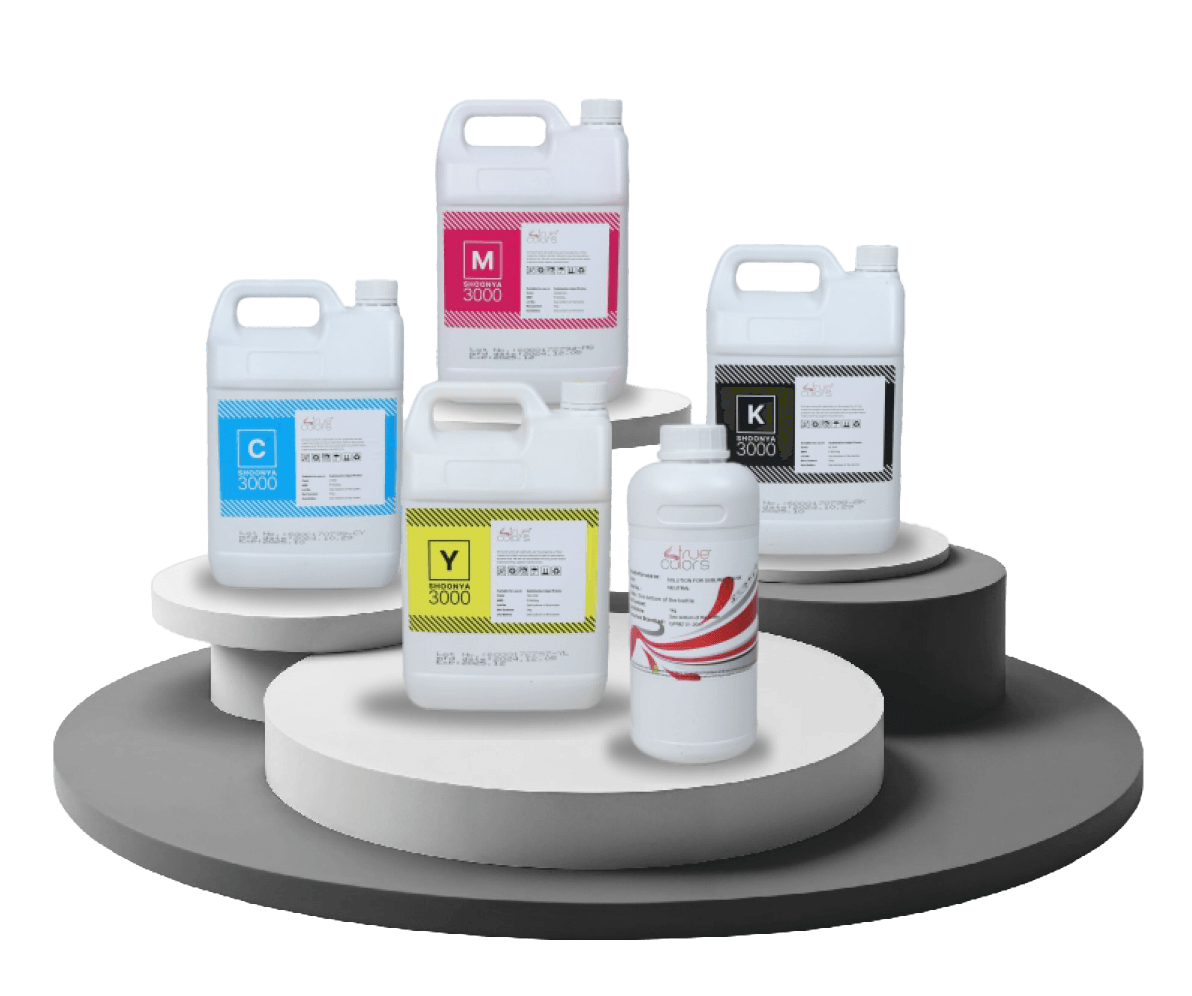
True Colors’ digital printing ecosystem is well suited for this need because it connects machines, inks, fabrics, sublimation paper, and technical support within one production understanding. For sampling-driven businesses, this helps reduce confusion between design expectations and production realities.
By supporting both the creative and technical sides of textile printing, True Colors helps brands and manufacturers turn design ideas into production-ready fabrics with greater speed and confidence.