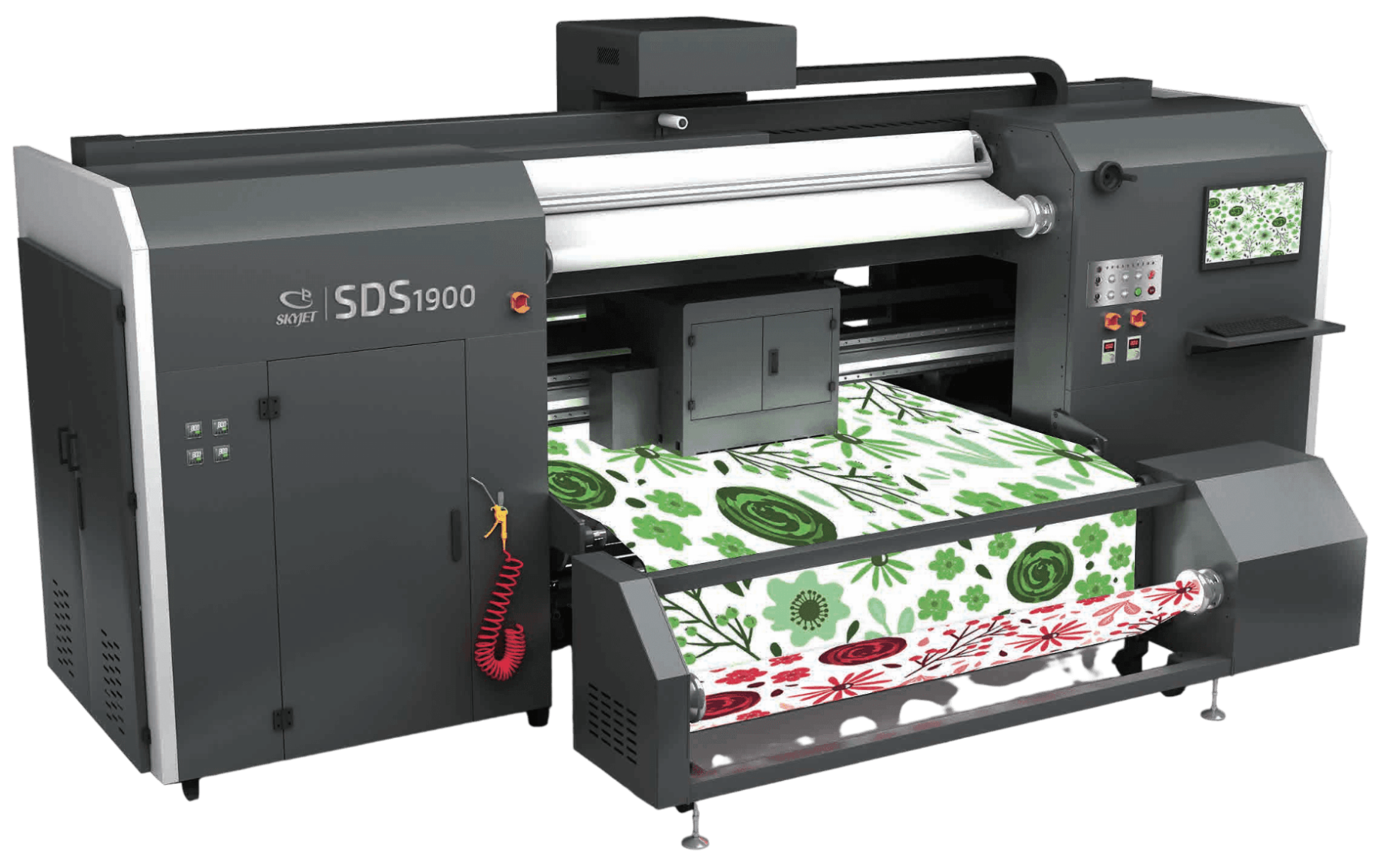
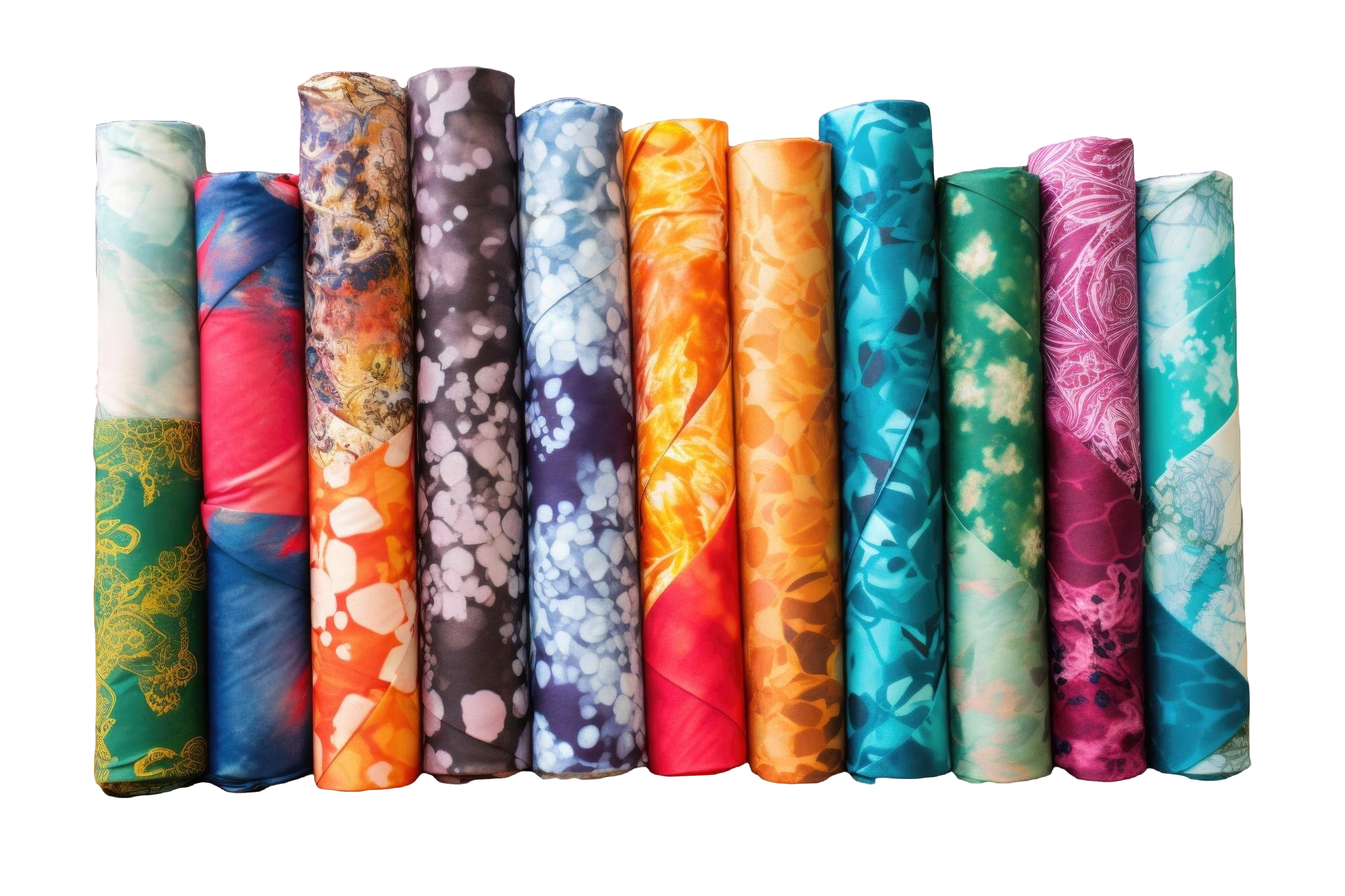
The textile industry is entering a new phase of modernization, where speed, adaptability, and precision are becoming critical for growth. In 2026, textile printing trends 2026 are no longer limited to better machines alone. Instead, the industry is moving towards intelligent workflows, sustainable production, and highly responsive manufacturing systems.
As global demand continues to evolve, textile businesses are adopting advanced technologies to improve efficiency, reduce wastage, and handle customized production more effectively.
Rise of Hyper-Flexible Production Systems
One of the biggest transformations in 2026 is the shift towards hyper-flexible production. Traditional workflows were mainly designed for long and repetitive production runs. However, modern buyers now demand shorter runs, rapid sampling, and quick design modifications.
Because of this, textile manufacturers are implementing production systems that support:
- Instant design transitions
- Fast job switching
- Efficient short-run printing
- Reduced setup dependency
As a result, businesses can react faster to changing fashion cycles and market demands.
Intelligent Automation in Printing Operations
Another major development among textile printing trends 2026 is the rise of intelligent automation. Textile businesses are increasingly integrating automated monitoring systems into production environments.
These systems help manage:
- Ink consumption tracking
- Automated color calibration
- Print consistency monitoring
- Predictive maintenance alerts
Consequently, production becomes more stable and less dependent on manual adjustments.
Sustainable Printing Becoming Standard
Sustainability is no longer just a marketing concept. In 2026, it is becoming an operational requirement. Textile businesses are actively reducing water usage, chemical wastage, and unnecessary material consumption.
Modern digital printing technologies support this transition by enabling:
- Controlled ink deposition
- Reduced water dependency
- Lower sampling wastage
- Efficient resource utilization
Therefore, sustainable production is becoming both environmentally and commercially beneficial.
Demand for Precision and Color Stability
Global brands now expect highly accurate and repeatable output. Because of this, precision-focused printing systems are gaining importance.
Modern technologies now deliver:
- Sharp detailing
- Stable color reproduction
- Better alignment accuracy
- Consistent batch output
This improves quality assurance and reduces rejection rates in large-scale production.
Integrated Printing Ecosystems
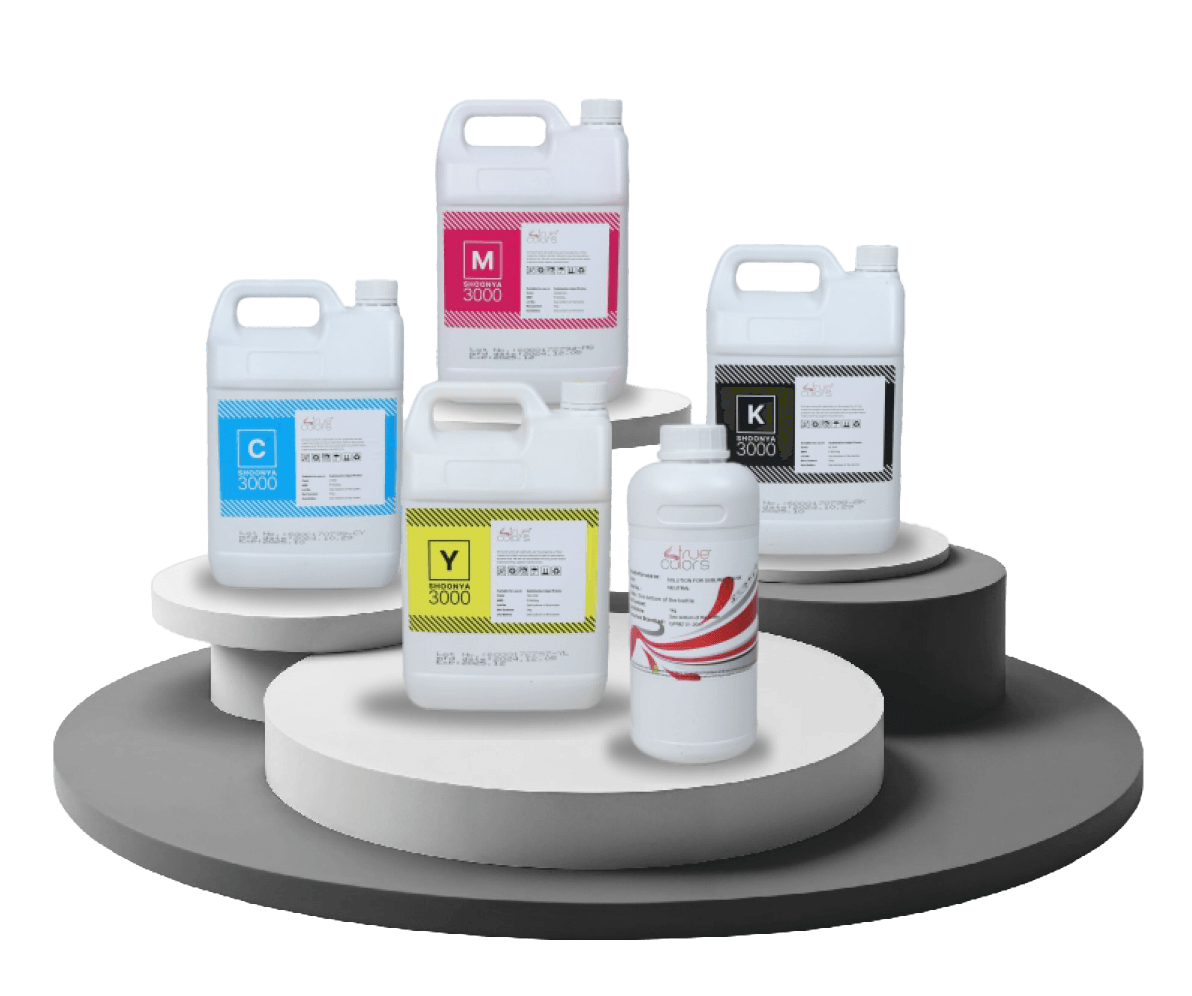
Instead of managing separate vendors for machines, inks, paper, and servicing, businesses are now preferring integrated ecosystems.
This approach improves:
- Workflow synchronization
- Technical compatibility
- Production reliability
- Service response efficiency
As a result, operations become more predictable and scalable.
Smarter Data-Driven Production Decisions
Data is becoming an important asset in textile printing operations. Businesses are analyzing production metrics to improve efficiency and reduce operational bottlenecks.
This includes monitoring:
- Machine productivity
- Ink performance
- Production turnaround time
- Material consumption patterns
Therefore, decision-making is becoming more analytical and performance-oriented.
Conclusion
The future of textile printing is becoming faster, smarter, and more adaptive. The major textile printing trends 2026 clearly show that businesses must focus on automation, sustainability, precision, and integrated operations to remain competitive.
Companies that embrace these changes early will be better positioned to improve efficiency, maintain quality, and scale production successfully in the years ahead.